This gallery contains 3 photos.
This gallery contains 3 photos.
During my thirty year career, our go-to place for vacation was log cabin #1, at a small resort, Beach Haven, on the northwest shore of Orcas Island, WA

 After each school year of counseling, being in this quiet place with no TV, phone, or internet, was healing. I would awaken to the sound of ocean waves gently washing over the pebble beach in front of our cabin.
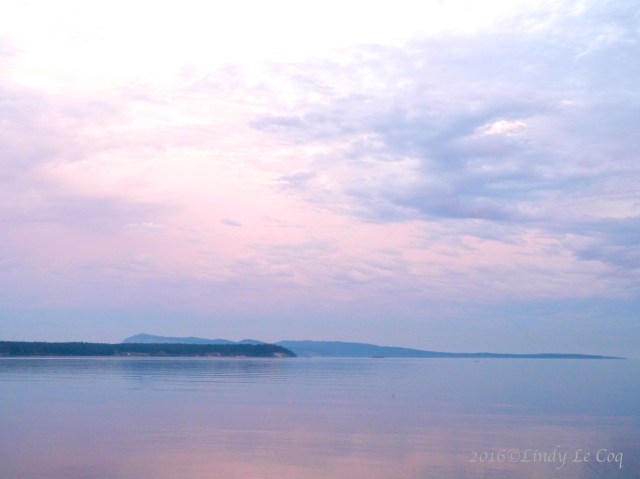 At the end of the day I could sip wine while watching gorgeous sunsets over the ocean channels before me.


Heron fishing on our beach.

When I retired, we changed our visit from summer to fall, and eventually, decided we were ready to have a place of our own that we could enjoy more often.

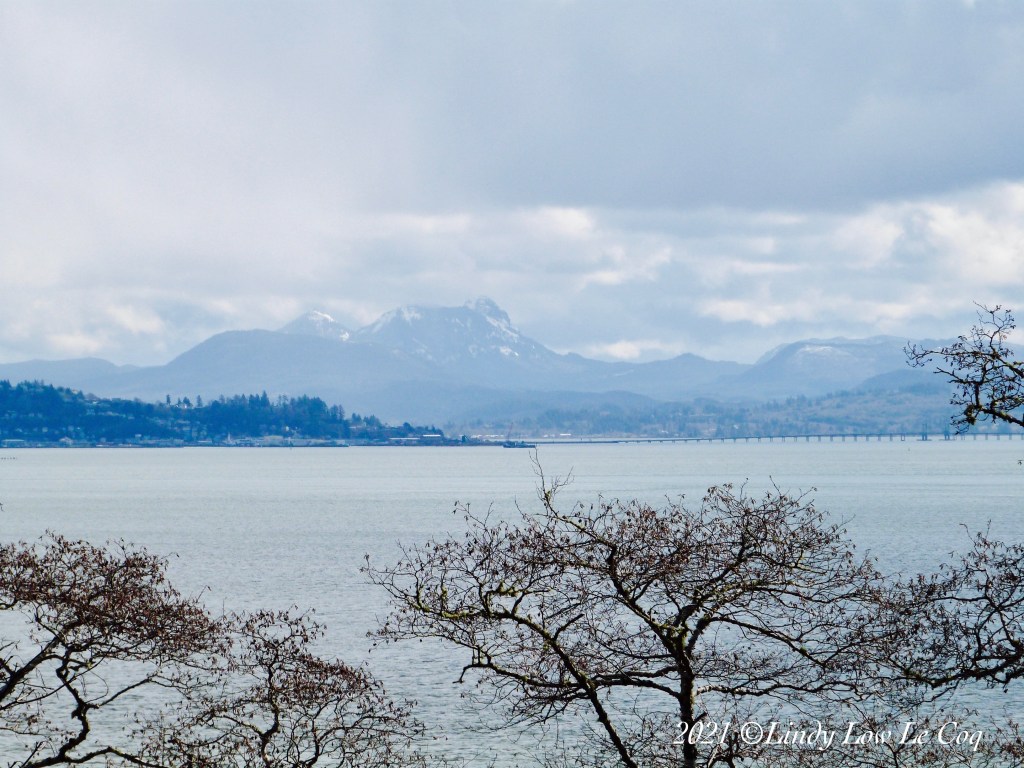
Cold autumn sunset on Olympic Mountains
The seven hour drive and ferry ride from our home to Orcas (plus the high price of property) discouraged us from buying a vacation home in the Islands, though we think of our times there fondly, and look to visit again in the future.
Thank you Tina for another open invitation to revisit in photos and memories, some very special places!
I grew up on the outskirts of Wenatchee, Washington where our ‘end of the road’ neighborhood was surrounded by apple, cherry, peach and apricot orchards.


Malott – south of Okanogan
From the fruited valleys, my family moved to a 40 acre farm near Pullman, Washington ~ in the heart of The Palouse.*

Aerial view of the Palouse on the flight path to Pullman/Moscow airport.
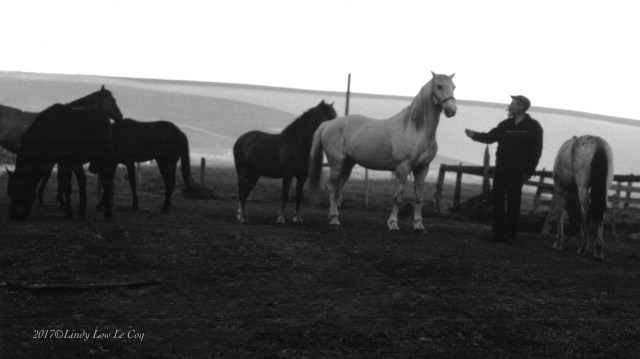
Dad and his horses, Pullman, WA c. 1981

Sundown ~ Ritzville
When Creighton and I set down roots in Vancouver, forty-two years ago, outside the city limits was wide-open spaces, where farms and orchards dominated the landscape.


Though industry and population growth have expanded in every direction, it’s still a fairly short drive to be ‘in the country’. One of the pleasures of having a place at Long Beach, where we live part time in the off-season, is the slower paced, rural quality of the peninsula.


One often finds businesses sharing space, as in Bailey’s Cafe and the Nahcotta Post Office!
*Tina Schell has a lovely shot of fields around the Palouse in her response to this challenge. https://travelsandtrifles.wordpress.com/2019/09/21/lens-artists-challenge-64-out-in-the-country/
Please excuse my tardiness in responding to this challenge. Sometimes life intervenes to delay my best intentions, such is the case this time.

In my youth, when I watched clouds billow across blue summer skies, I imagined what it might be like to float with them over this magical place called earth.
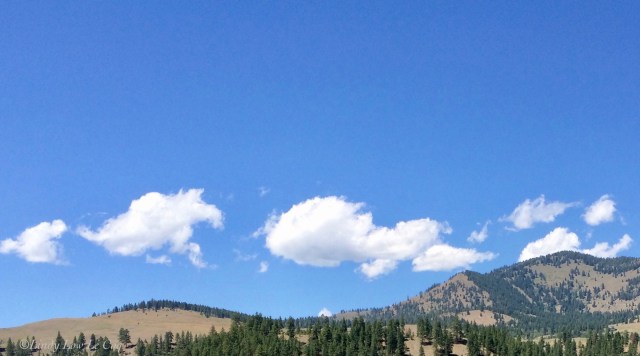
enchanting
Cloud formations shift; they change size, shape and density with atmospheric pressure, moisture level, wind speed and temperature.

mysterious

fascinating

spellbinding
And then there’s the shading and color from our sun – more magic!
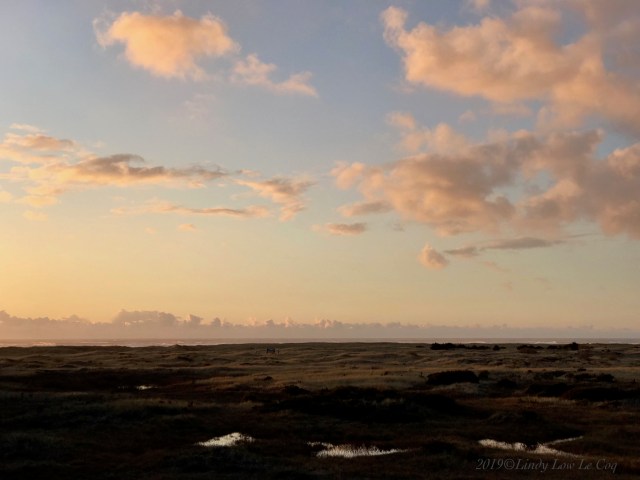
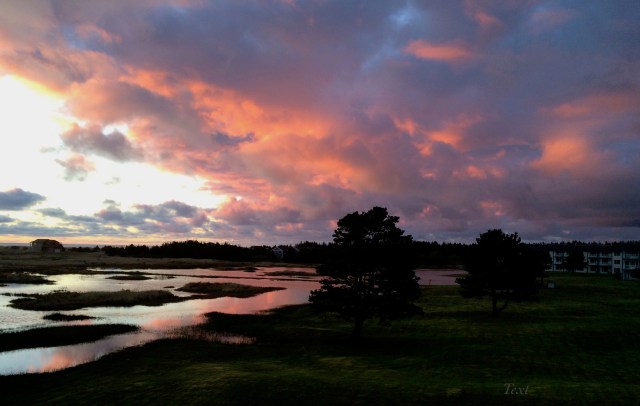 When a storm is gathering, clouds take on ominous shapes and dimensions…
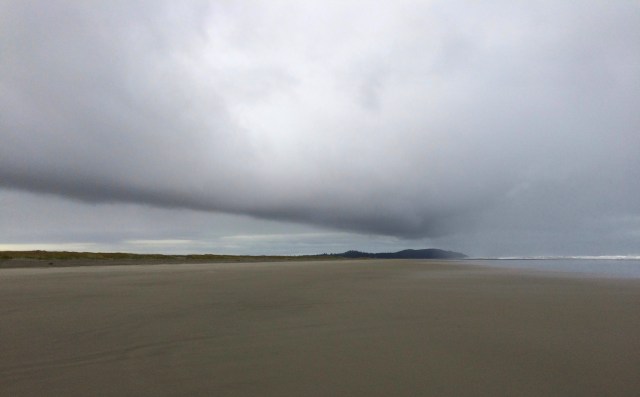
foreboding
…and sometimes even seem to chase one another across the horizon.
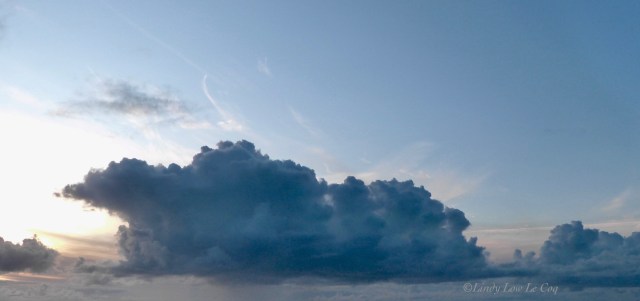
menacing
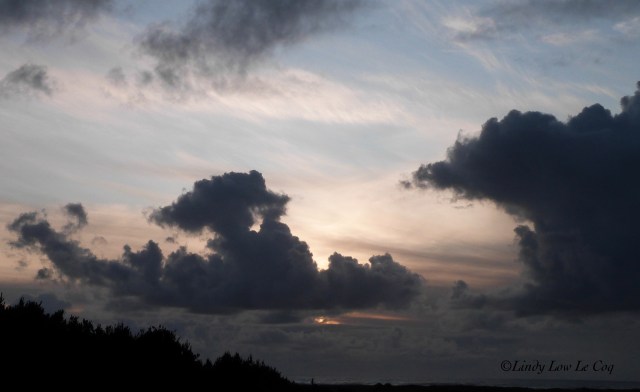
threatening
Whether floating us away, or inviting our imaginations, clouds have magic.
Clouds tell us stories – the ones we conjure in our imaginations – and the one’s we learn through scientific study. Believe what meteorologists tell you about global warming – we are in this together. Let’s influence where we can to insure there will be cloud-magic for generations to come.
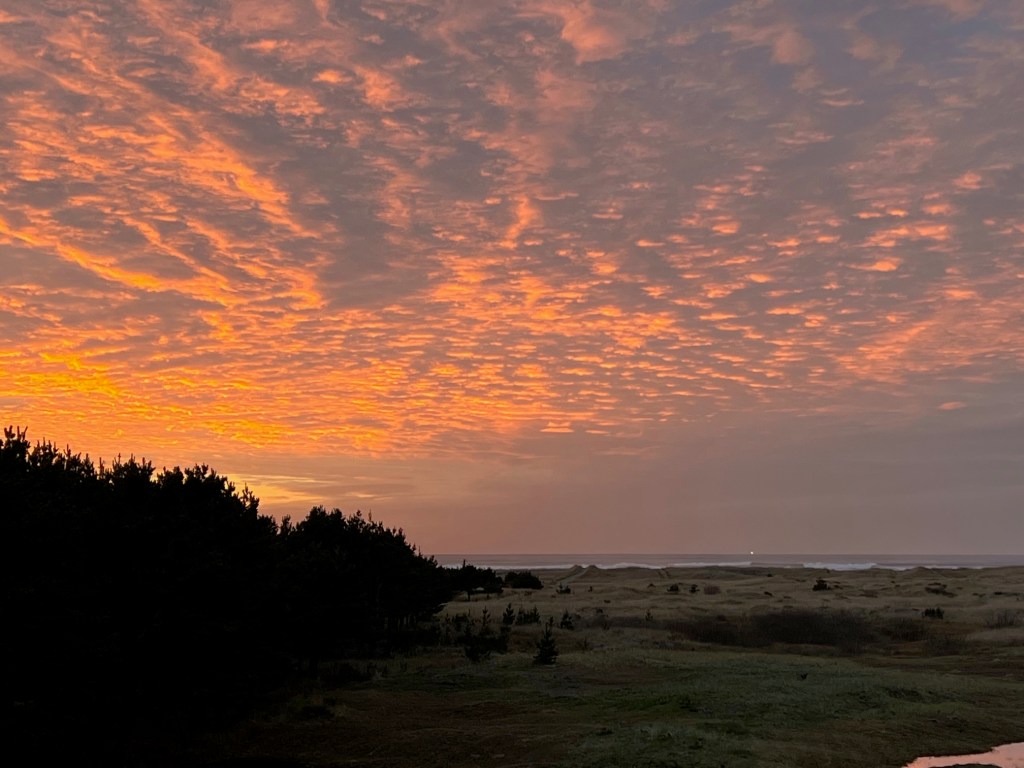
 Winter Sundown, Long Beach, WA
 Wind-farm on the north ridge of the Columbia River Gorge, near Goldendale, WA
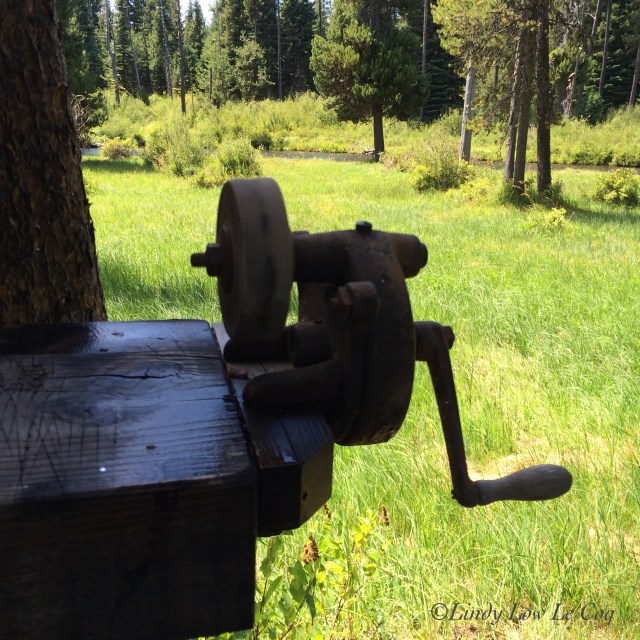 Knife-sharpener, Crescent Creek, OR
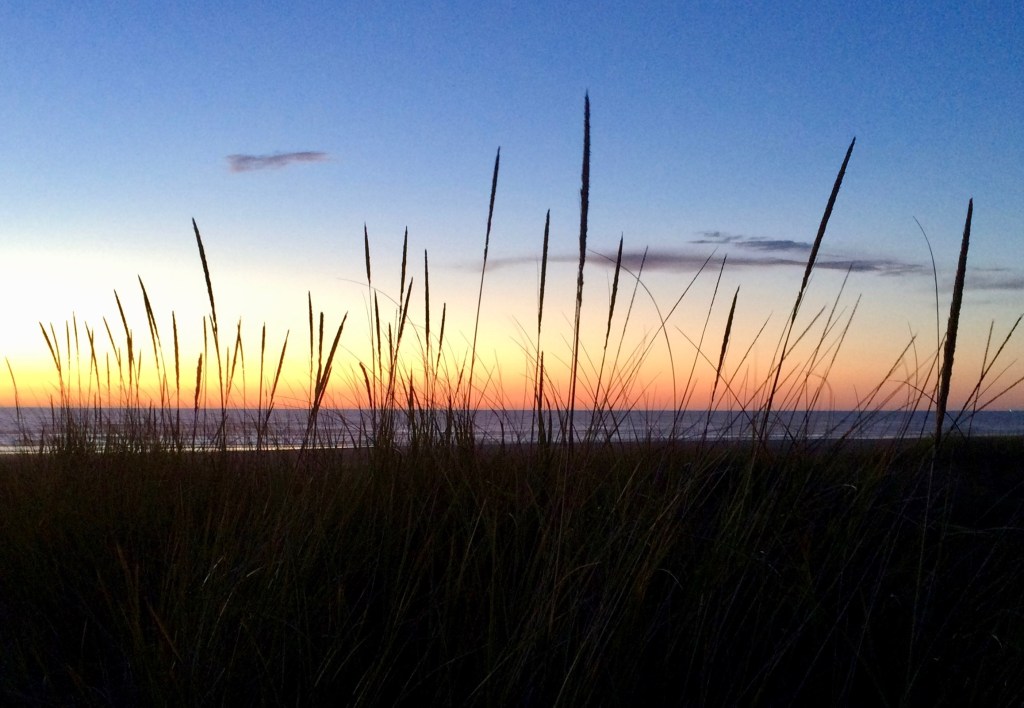
 Sunset Through Reeds, Long Beach, WA
I adore silhouettes! Thank you Patti, for this opportunity to feature some favorites.

Tommy was my first best friend; a black and white, short-haired tomcat who was my responsibility, and who, when no-one else was looking, slept on my bed when I was a kid. He comforted me, inviting me to think while he purred. I loved him, and still enjoy cats. However, decades later, in 1991, when my husband’s business kept him away for weeks at a time, I decided I needed a dog to come home to when Creighton was gone.


At three months old, Scooter came home with me, and our love of beagles began.


With a six foot fence built into six inches of concrete, our yard became a safe haven for beagles. Over the years we took in Jacques, a scoundrel who had been dumped in the neighborhood, and we adopted nine-year old Mattie, the only beagle we’ve had who came with papers.


You can imagine the challenge it was to take a walk with three sniffing hounds on retractable leashes. Often I was wrapped up like a maypole! When Scooter, then Mattie passed, and knowing Jacque was aging fast, we adopted Josie from the local Humane Society. Small, scared and sweet, she thrived in our loving home.


Our hearts broke when, within a year or so we noticed Josie was not eating and learned that she had terminal renal failure. Such a loss – we took it hard. She passed before we left on a two week trip. Immediately upon returning home, I was in beagle withdrawal. Through Portland Beagle Rescue, we found Jello. She was 4 when we adopted her – this Christmas she’ll be 9.


Jello is a frequent subject in my posts; she is smart, photogenic, and an absolute love.
To Tina, thank you for this sweet challenge. I’m thinking of you as Hurricane Dorian storms along the Carolinas. Hope you are safe and sound.