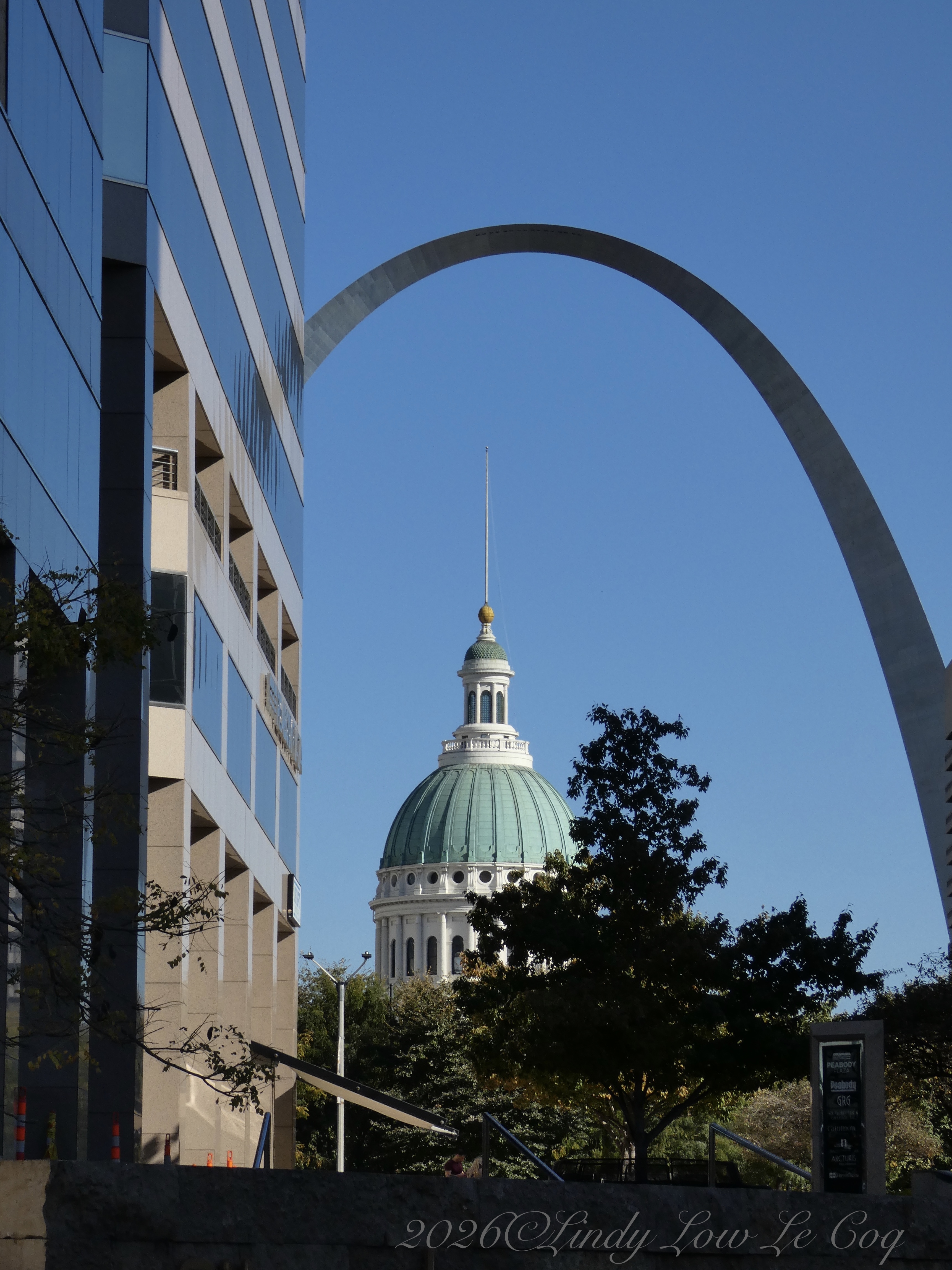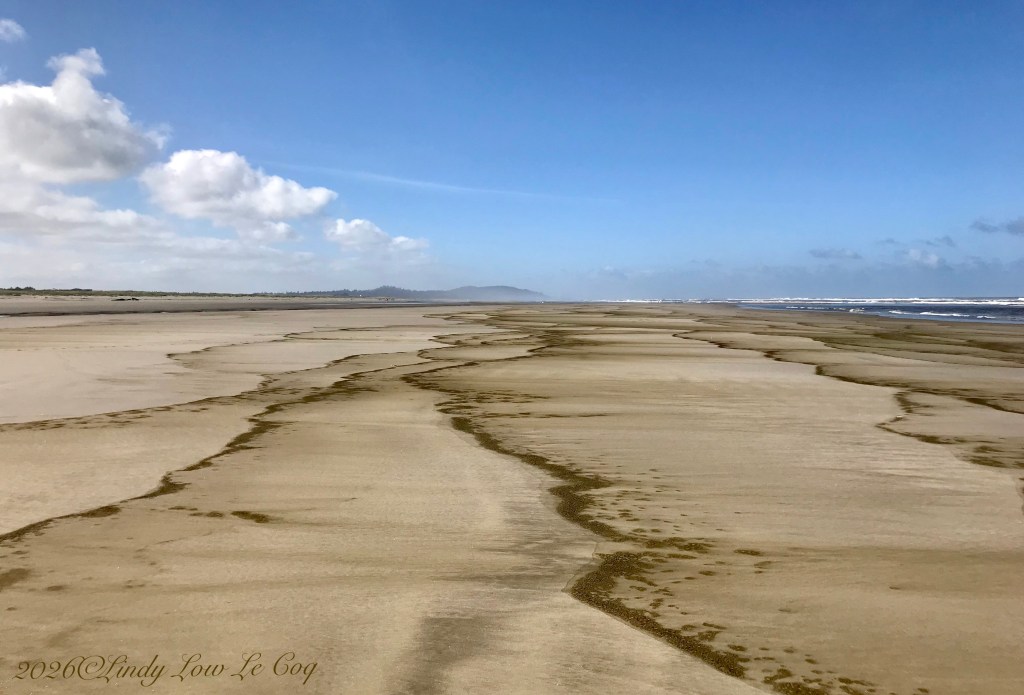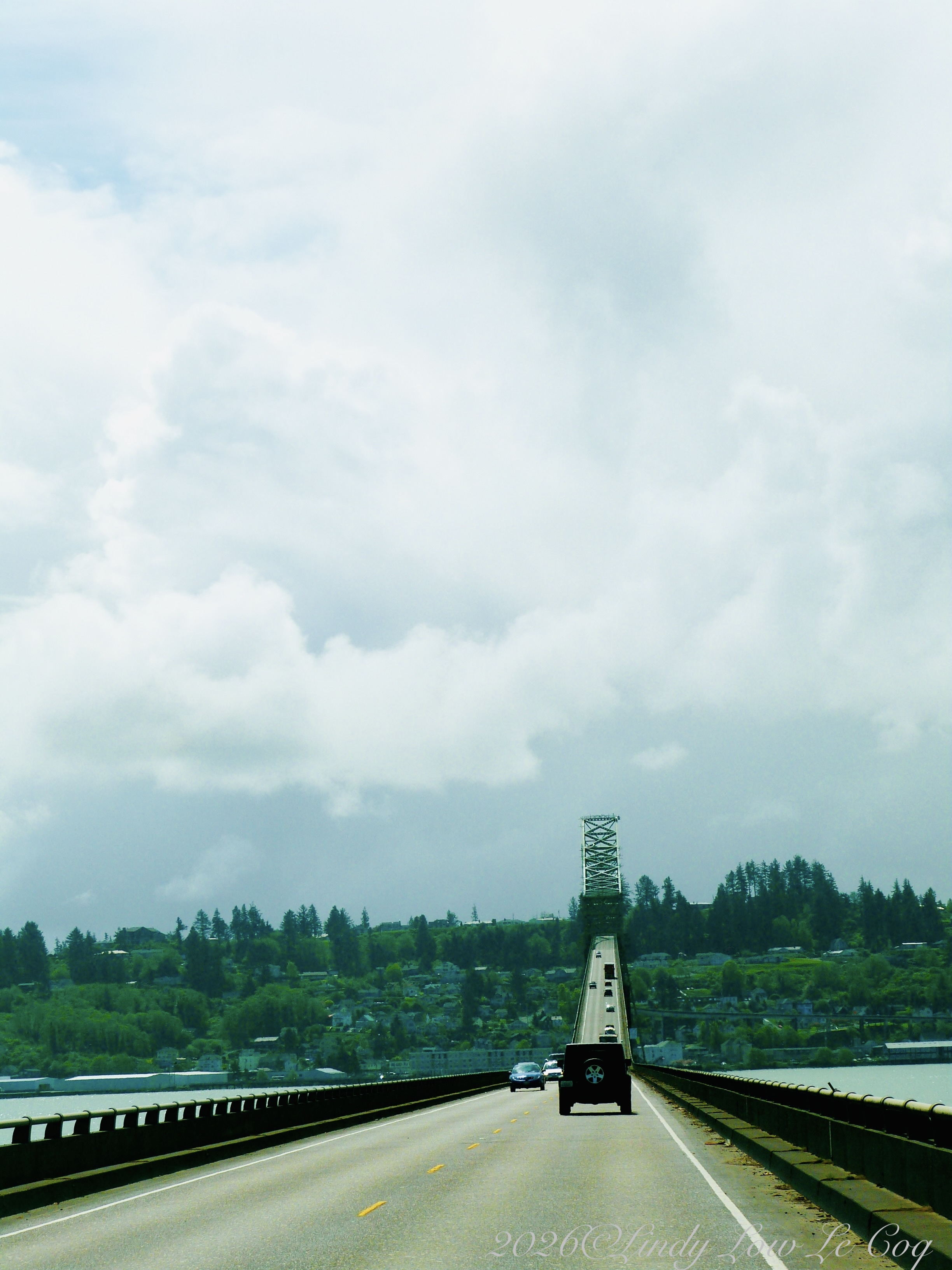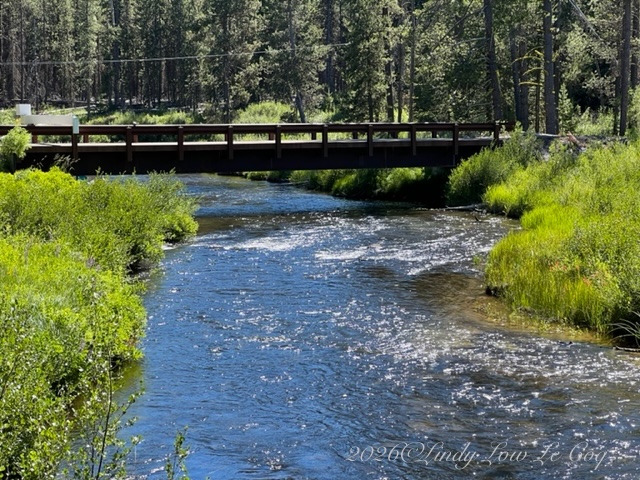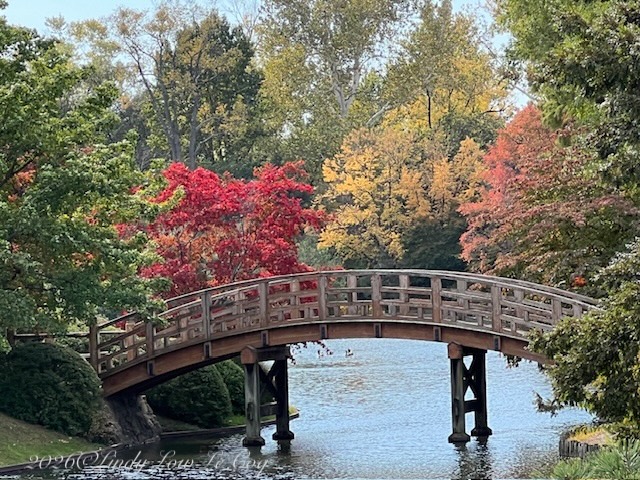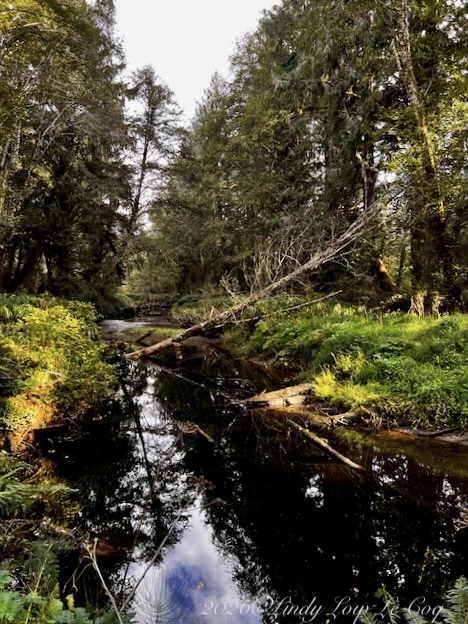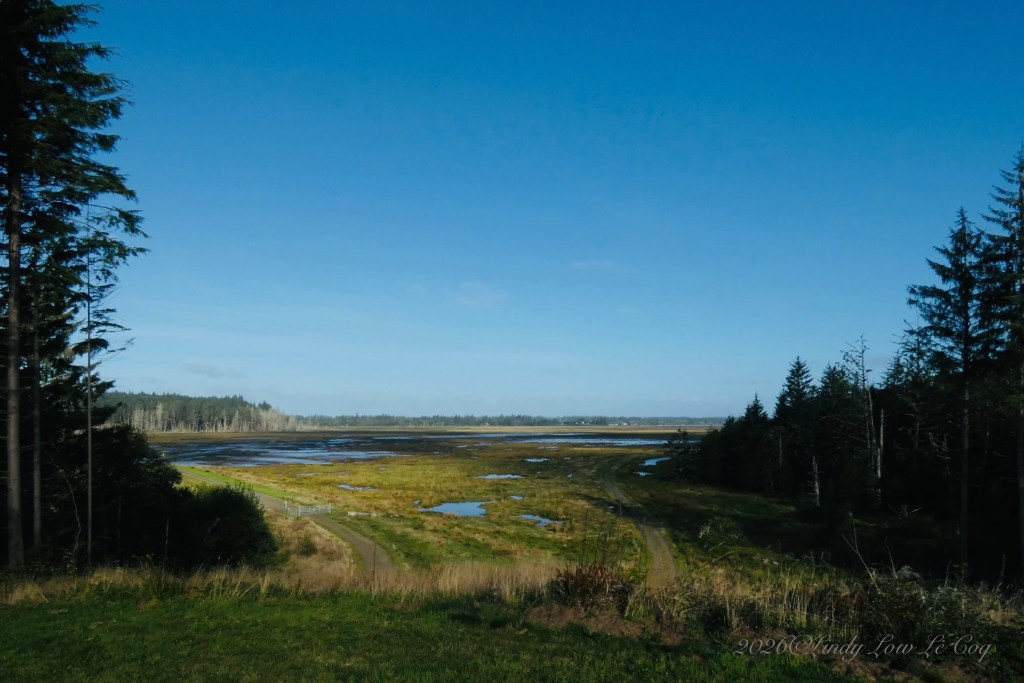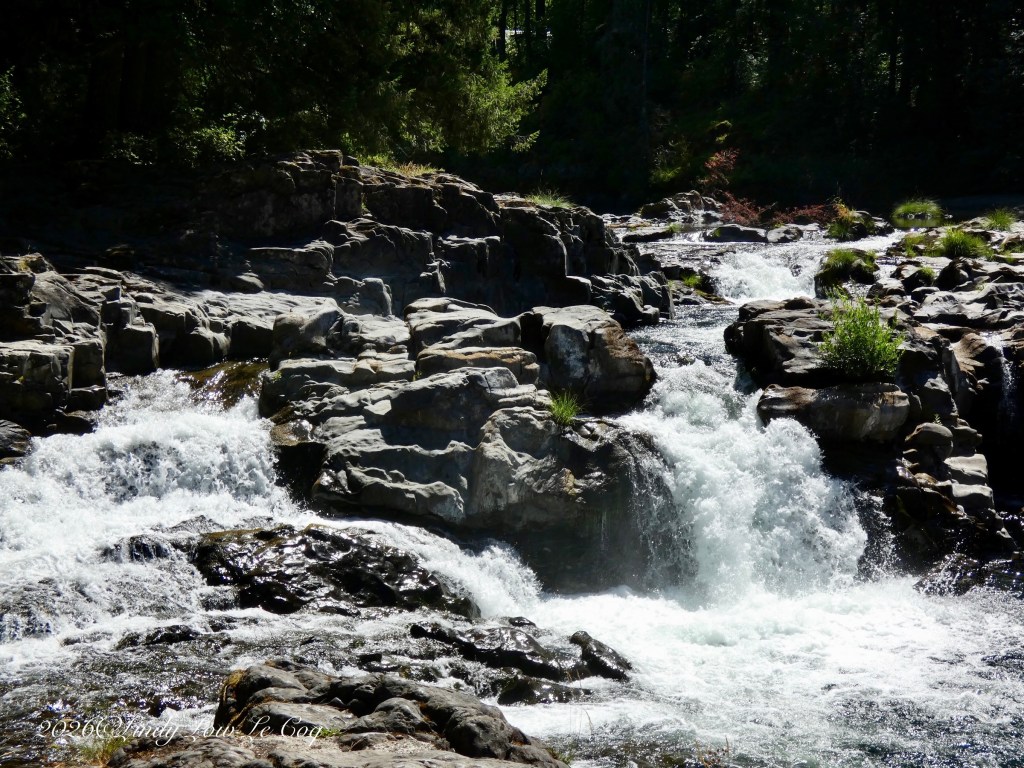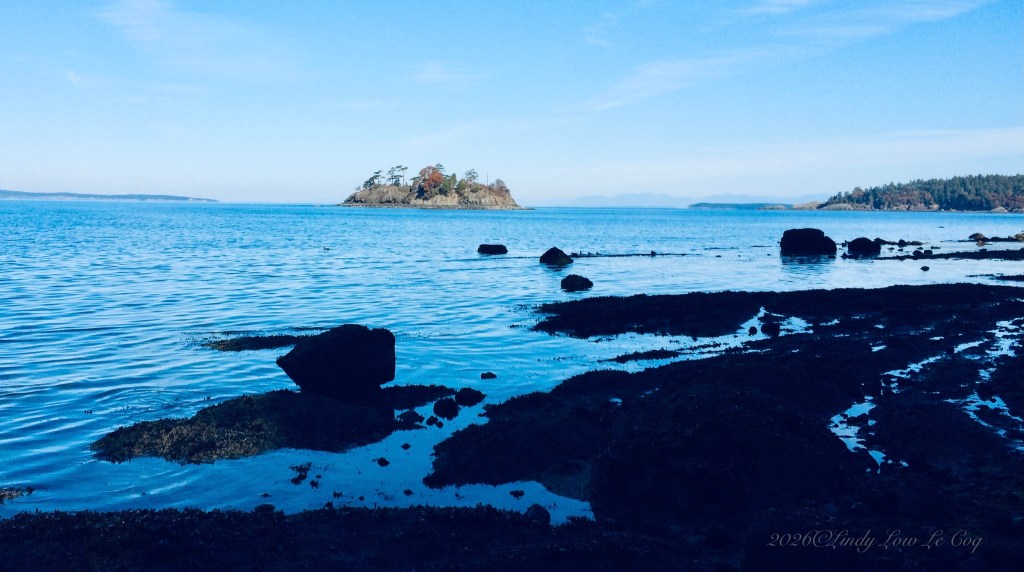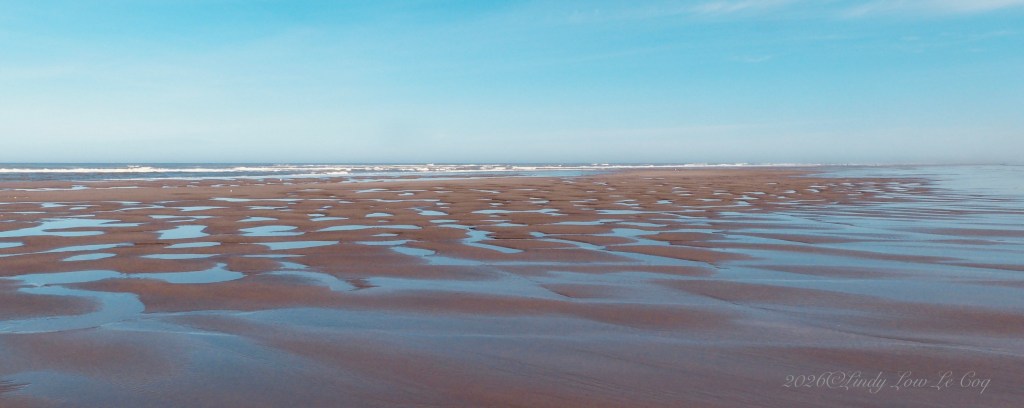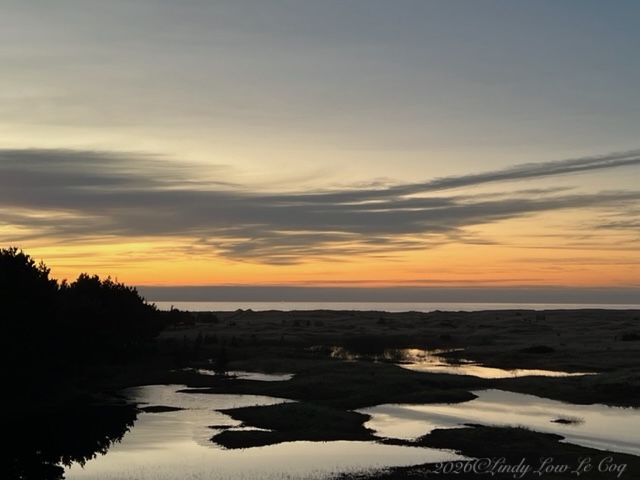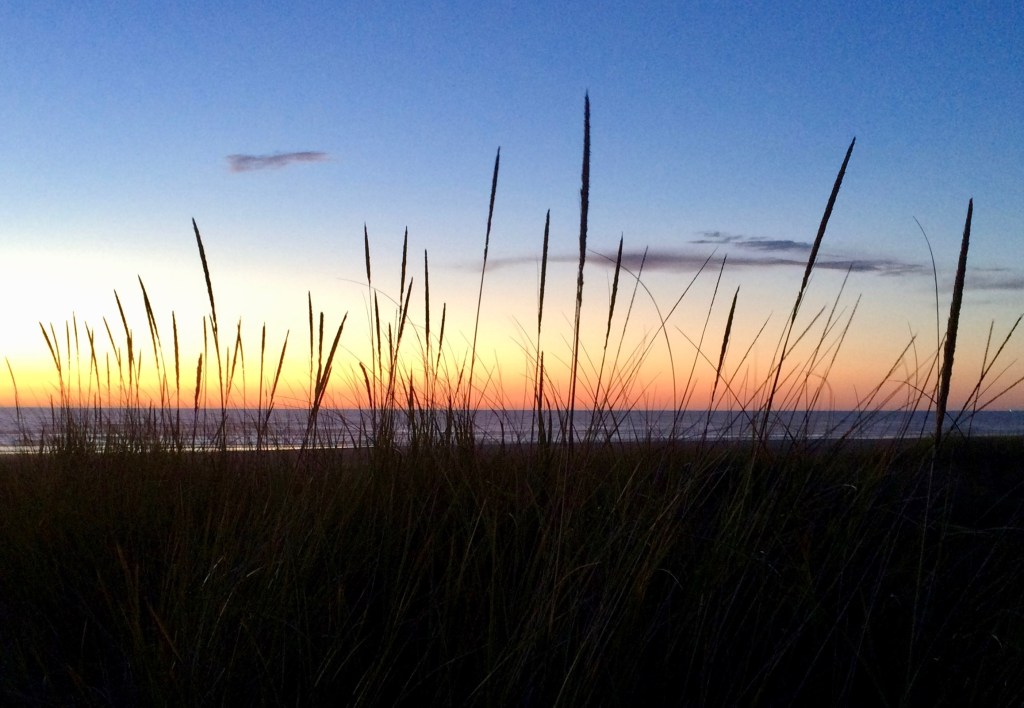
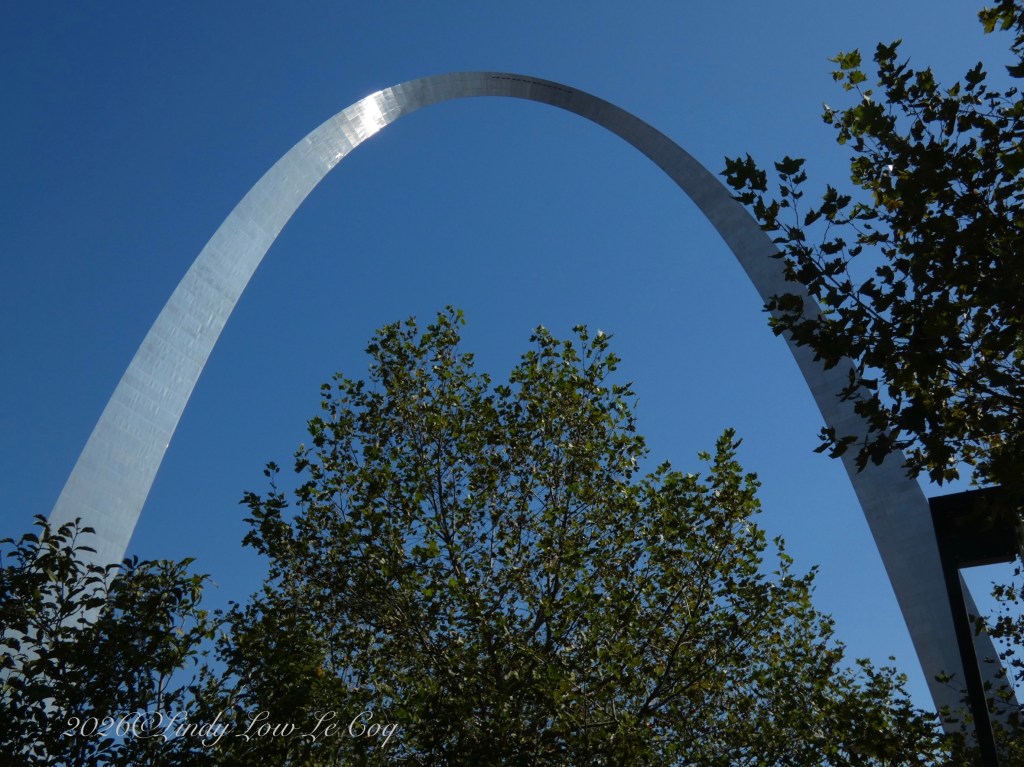
John Steiner leads this week with an invitation to “share up to six photos of crafted or natural sites that inspire you to pause and capture a photo.” For this challenge I bid you to take an abbreviated journey with me from St. Louis, MO to Long Beach, WA. This voyage started on May 14, 1804 from Camp Dubois, located near St. Louis, MO. Though the Gateway Arch was constructed long after the Lewis and Clark Corp of Discovery ventured across the newly acquired Louisiana Territory, it is a symbol of the point of departure .
If you haven’t seen the excellent Ken Burns documentary, Lewis & Clark: The Journey of the Corps of Discovery, I highly recommend it. In 1803, President Thomas Jefferson won approval from Congress to send a team of intrepid explorers to find a passable water route west to the Pacific Ocean. It was a dangerous endeavor, as the documentary reveals
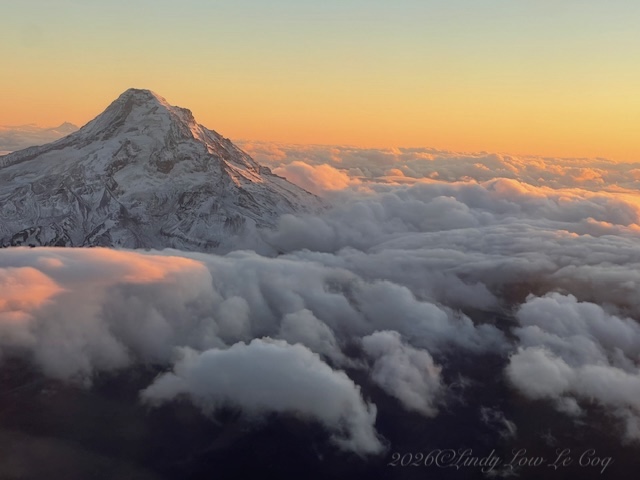
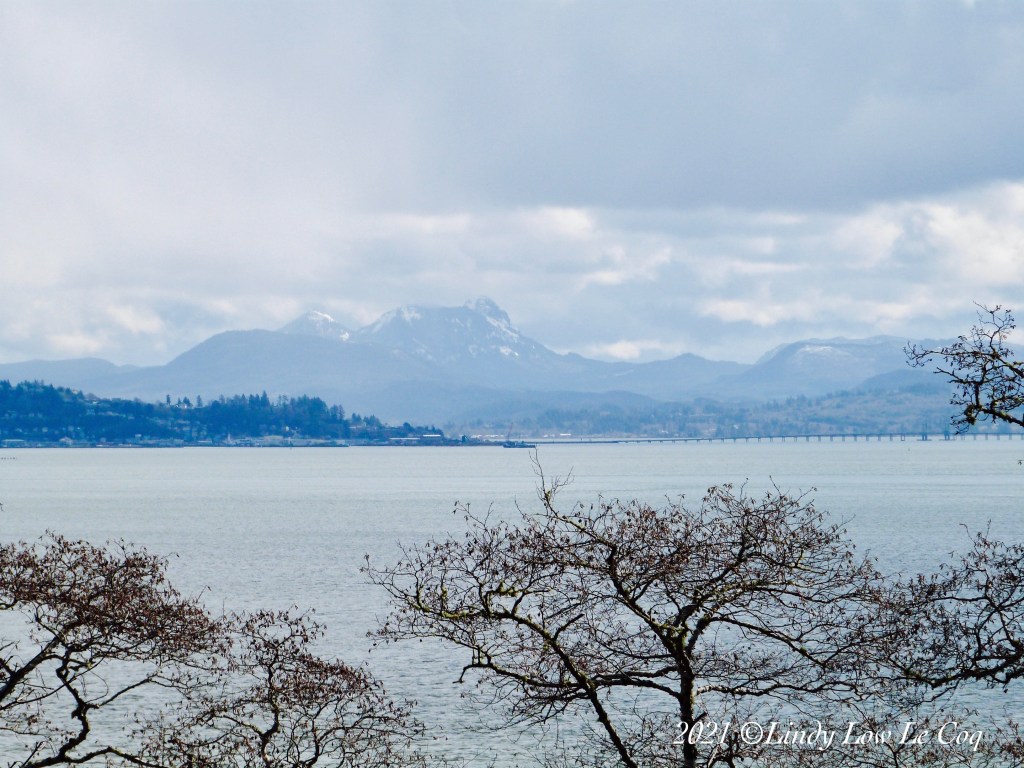
All members of the Corps were expected to make journal entries every day. As they came through the Columbia Gorge, on November 3, 1805 Captain Clark wrote; “A mountain which we suppose to be Mt. Hood is S. 85 E., about 47 miles distant from the mouth of Quicksand River. This mountain is covered with snow and in the range of mountains which we have passed through and is of a conical form, but rugged.”
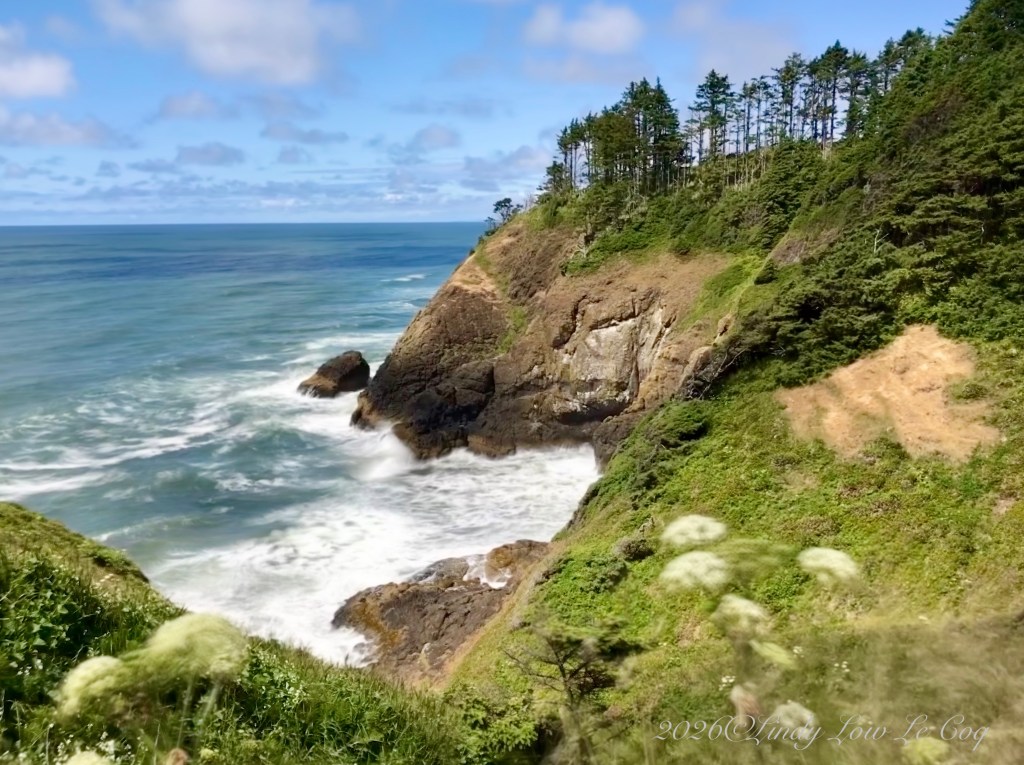
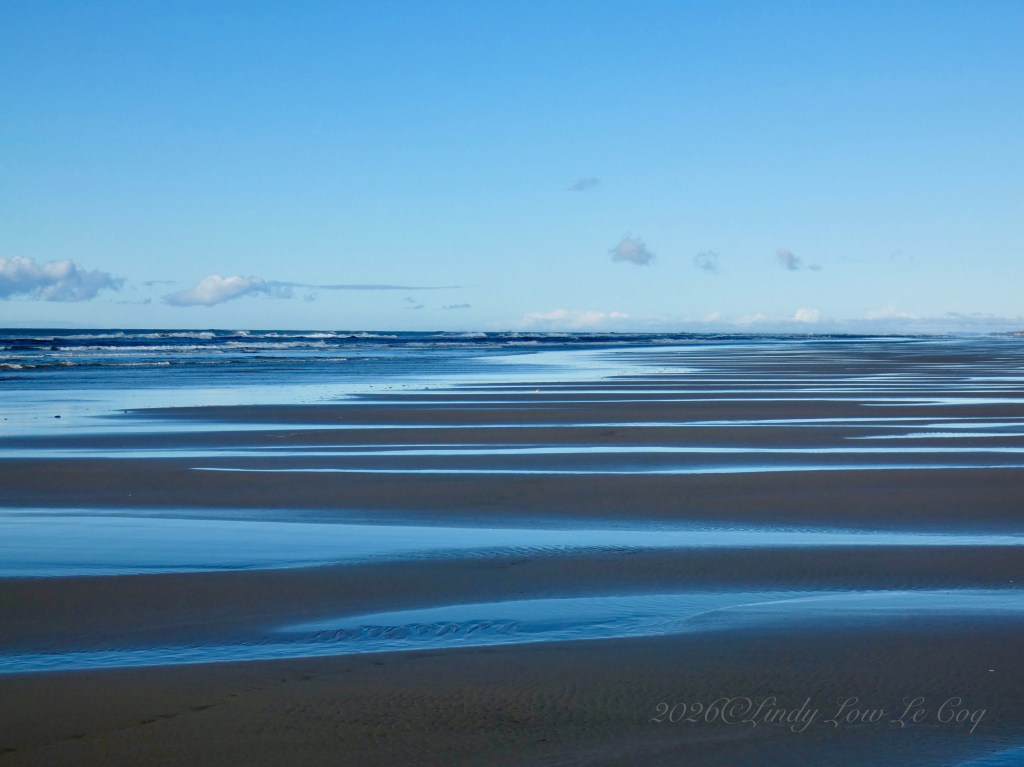
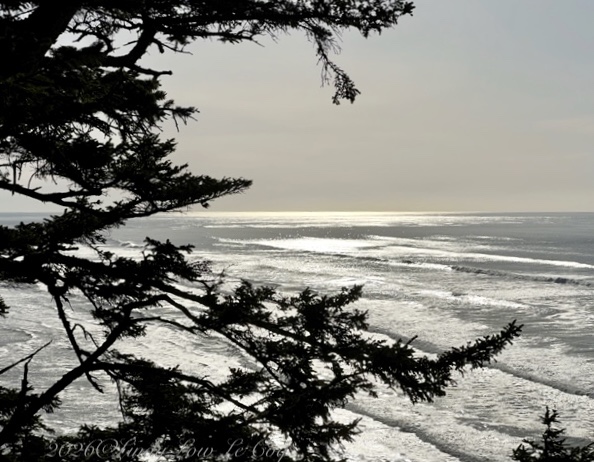
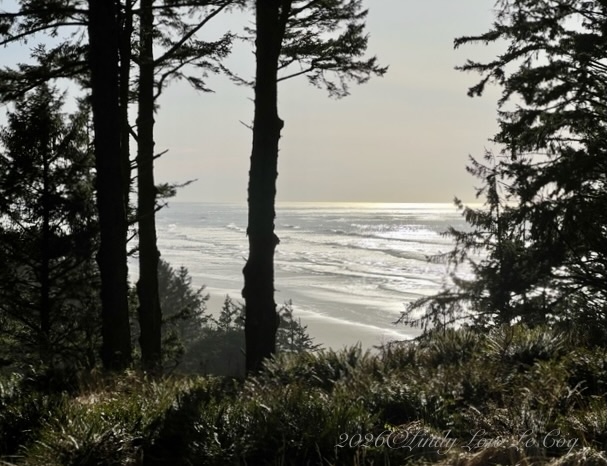
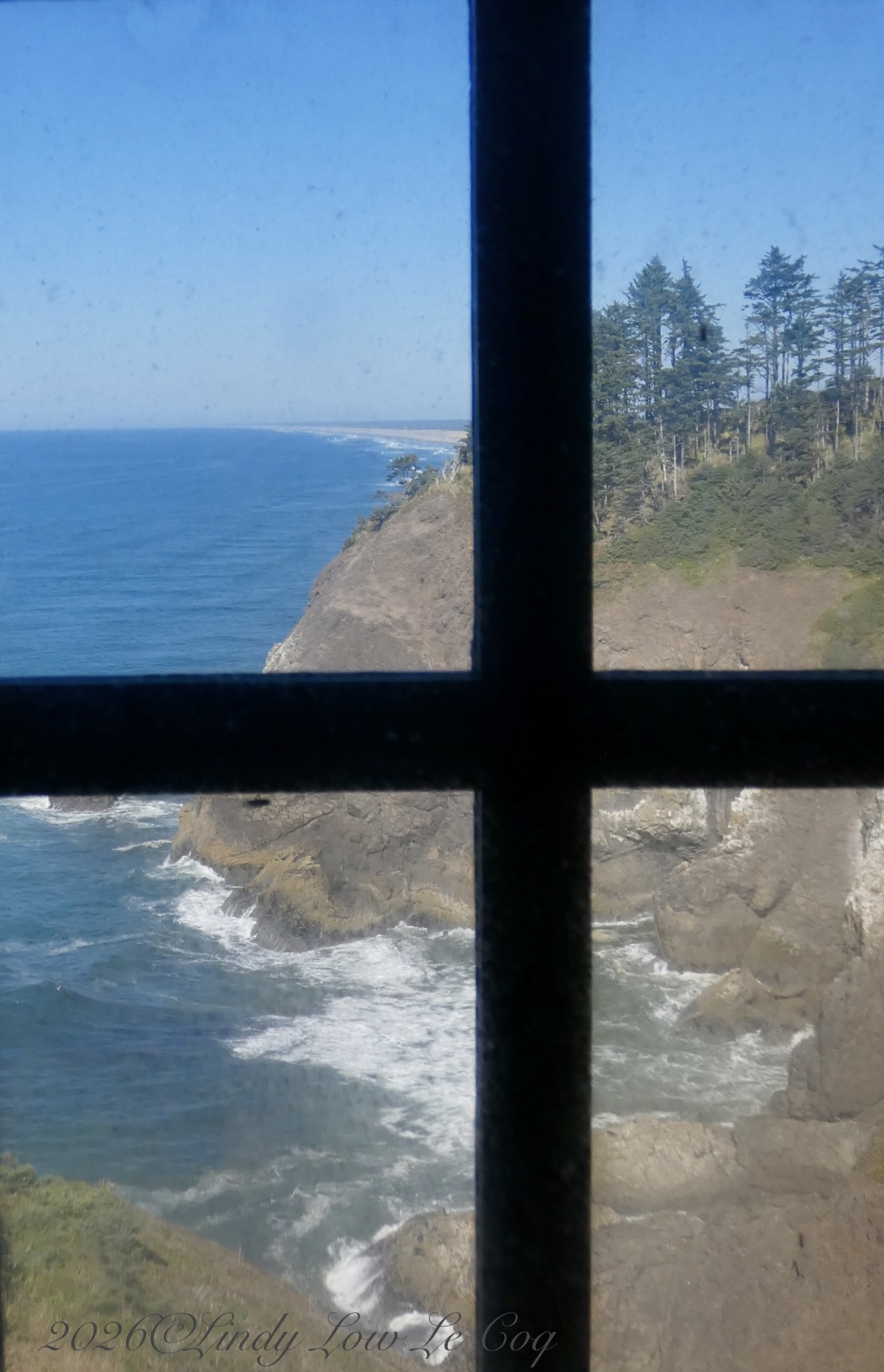
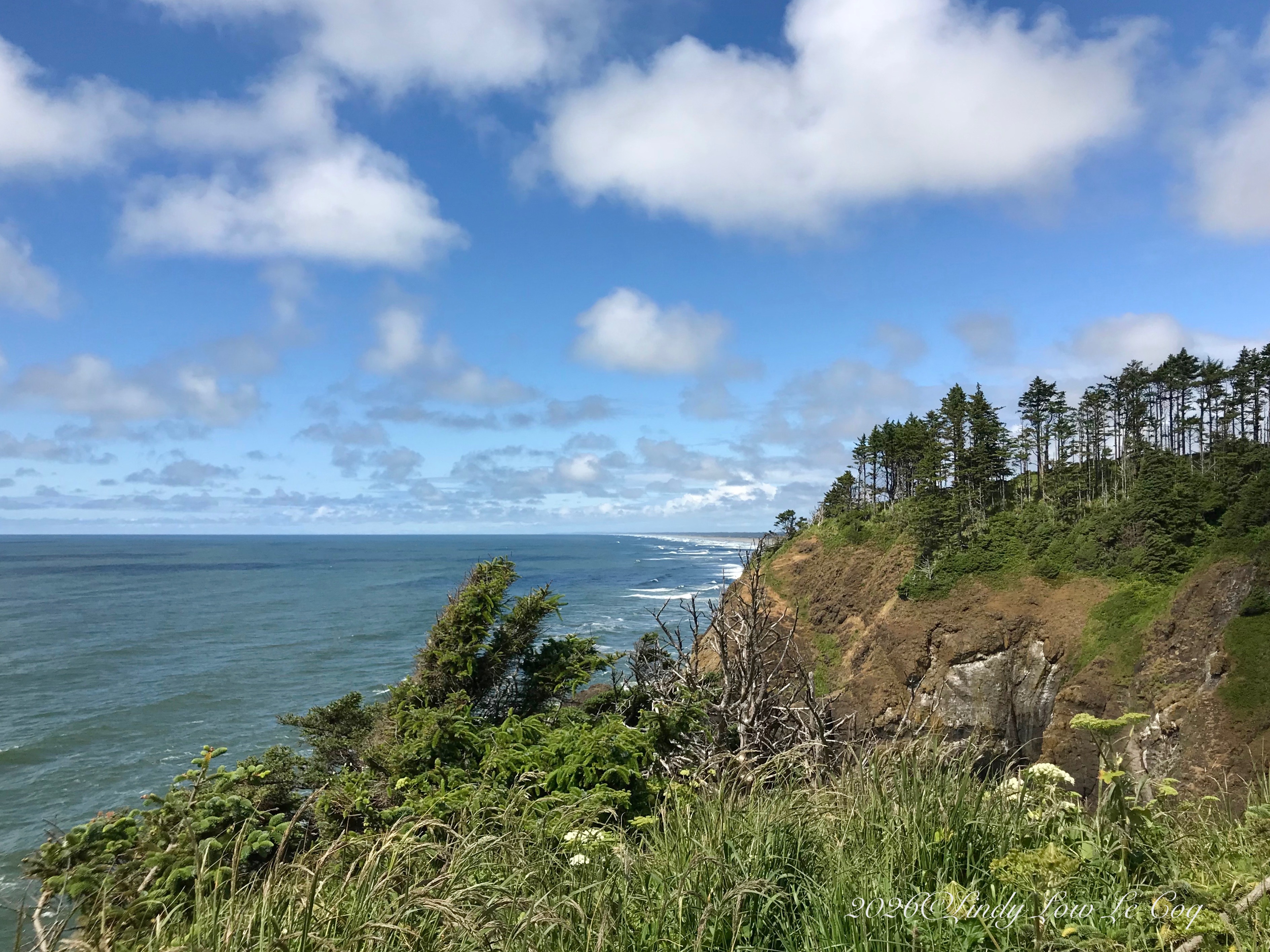
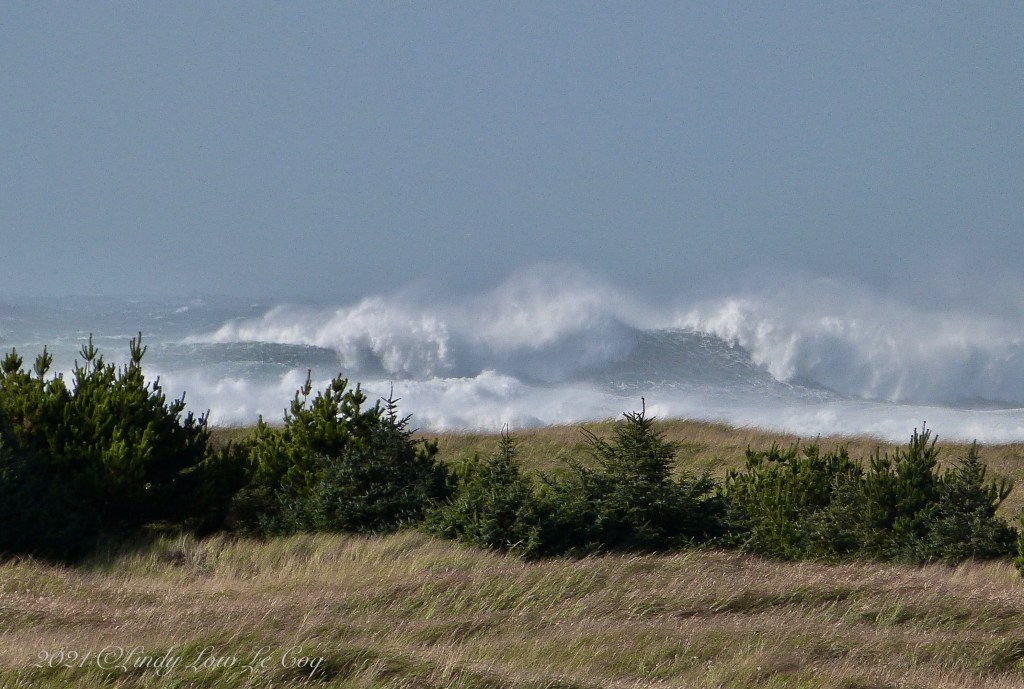
On November 16, 1805, Joseph Whitehouse wrote, “We are now in plain view of the Pacific Ocean, the waves rolling, & the surf roaring very loud….we think that we are at the end of our Voyage to the Pacific Ocean.”
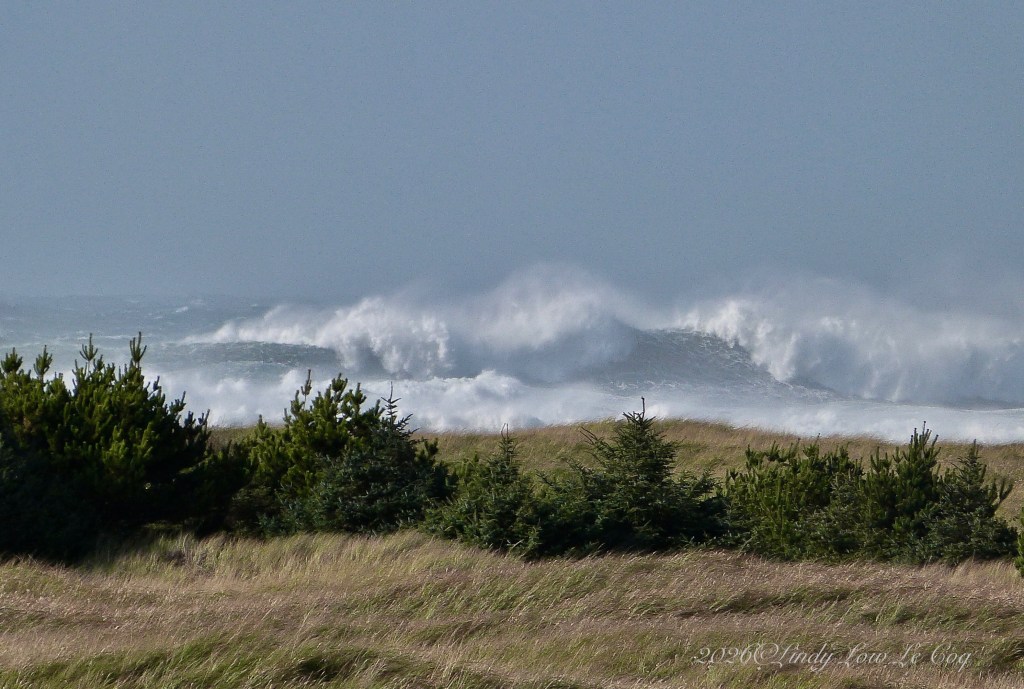
On December 1, 1805, William Clark declared, “Pacific Ocean & N W roars like an emence fall at a distance, and this roaring has continued ever Since our arrival in the neighbourhood of the Sea Coast which has been 24 days Since we arrived in Sight of the Great Western; (for I cannot Say Pacific) Ocian as I have not Seen one pacific day Since my arrival in its vicinity, and its waters are forming and petially [perpetually] breake with emence waves on the Sands and rockey Coasts, tempestous and horiable.”
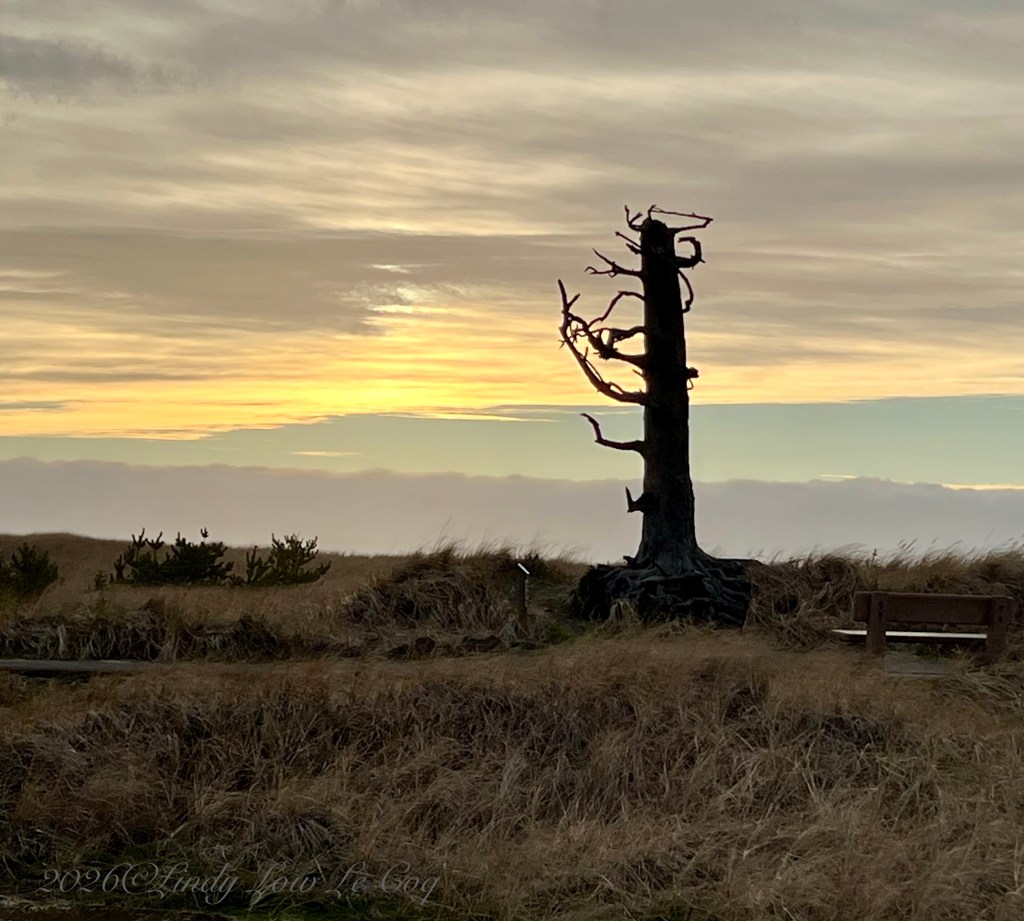
Our condominium at Long Beach, WA is about a quarter mile from the bronze memorial sculpture commemorating Lewis and Clark’s journey across North America. The sculpture, created by Stanley Wanlass, marks the westernmost and northernmost point of Lewis and Clark’s journey to the Pacific Ocean.