
Fern with Hosta in the background.

Jack-in-the-pulpit – Arisaema triphyllum

Wake Robin – Trillium and Jacob’s Ladder – Polemonium
Fern with Hosta in the background.
Jack-in-the-pulpit – Arisaema triphyllum
Wake Robin – Trillium and Jacob’s Ladder – Polemonium
With no bright sunlight or warmth outside, in order to see what my new tulips look like once opened, I picked three blossoms. To add some other texture and color I added lilac, red-flowering currant and brunnera stems.
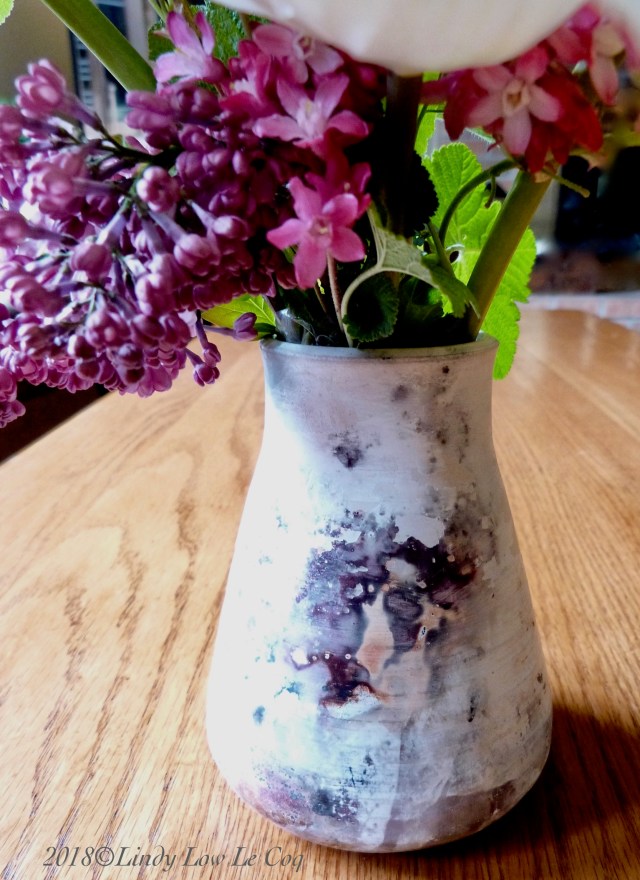
The vase is a pottery piece I recently purchased at an art gallery in Long Beach, WA.

Brunnera Jack Frost, Ribes sanguinium, Syringa vulgaris and generic Tulipa

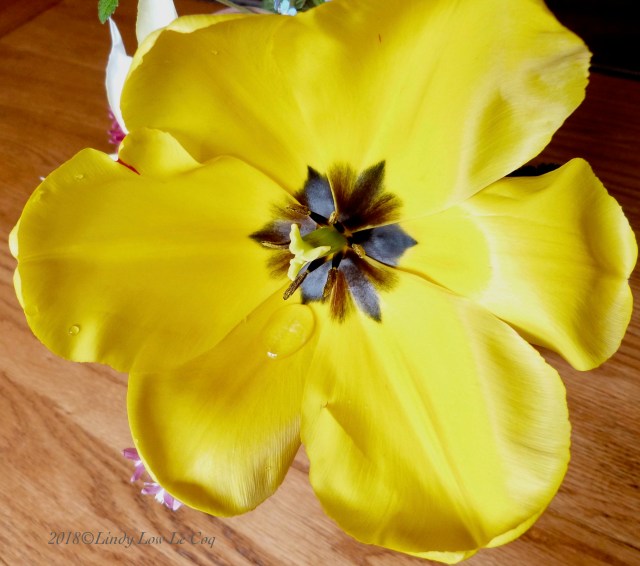

The tulips are from an generic assortment I planted last fall. Thanks to Cathy at Rambling in the Garden for the excuse I needed to brave the cold and create a bouquet to photograph!
“If every day is an awakening, you will never grow old. You will just keep growing.” Gail Sheehy

Spring is here, and so are the (almost) constant rains that make the Pacific Northwest such a verdant place! Since I took this photo ten days ago, more tulips have opened their lovely blossoms – reminding me the sun will shine again and usher in a procession of growth and cheer!
A post from 2015 – “Wake Robin” – also is worth visiting in reference to this challenge: https://lindylecoq.com/2015/03/22/wake-robin-weekly-photo-challenge-fresh/

Like this bird perched on top of a Shore Pine Tree, singing insistently! It was a drizzly morning, so I only had my iPhone camera. Still the shots were good enough that I could identify the bird later – White-crowned Sparrow. Oh what a smile his song gave me!

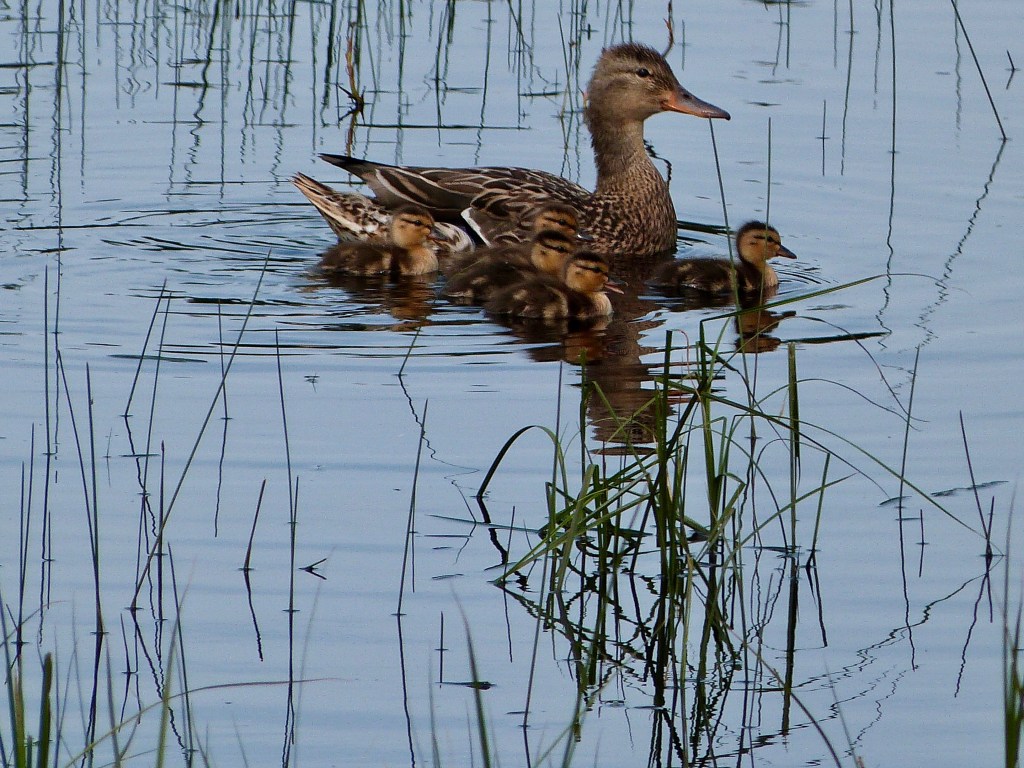
Several Mallard couples have worked out their territories within the marsh, but I could tell one of these pairs was not Mallard. As the intruders rapidly swam away from the residents, I snapped photos with my cell in hopes I could identify them later.

This was another “first sighting” for me. Though it’s quite likely that I have seen these birds some other time/place in my lifetime, what makes this special is that on this occasion, I was able to identify the pair as Hooded Mergansers – female left, male right. That makes me smile!

“It has to be Greater Yellowlegs,” I thought as I watched this beauty working the edge of the pond. I photographed (and identified) one last year – in about the same location. Not being absolutely sure I was right would haunt me though – so I snapped photos as I observed the rocking motion it made as it stepped forward. No doubt about it – Greater Yellowlegs!
If you browse my WordPress site you will find many lovely sunset photos taken at Beach Haven, Orcas Island, WA – USA.
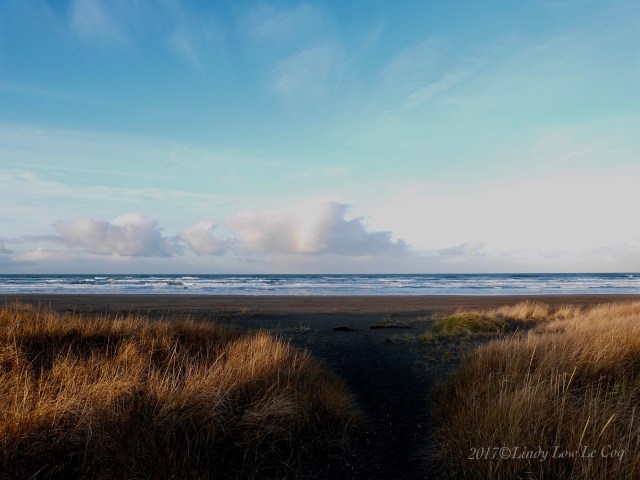
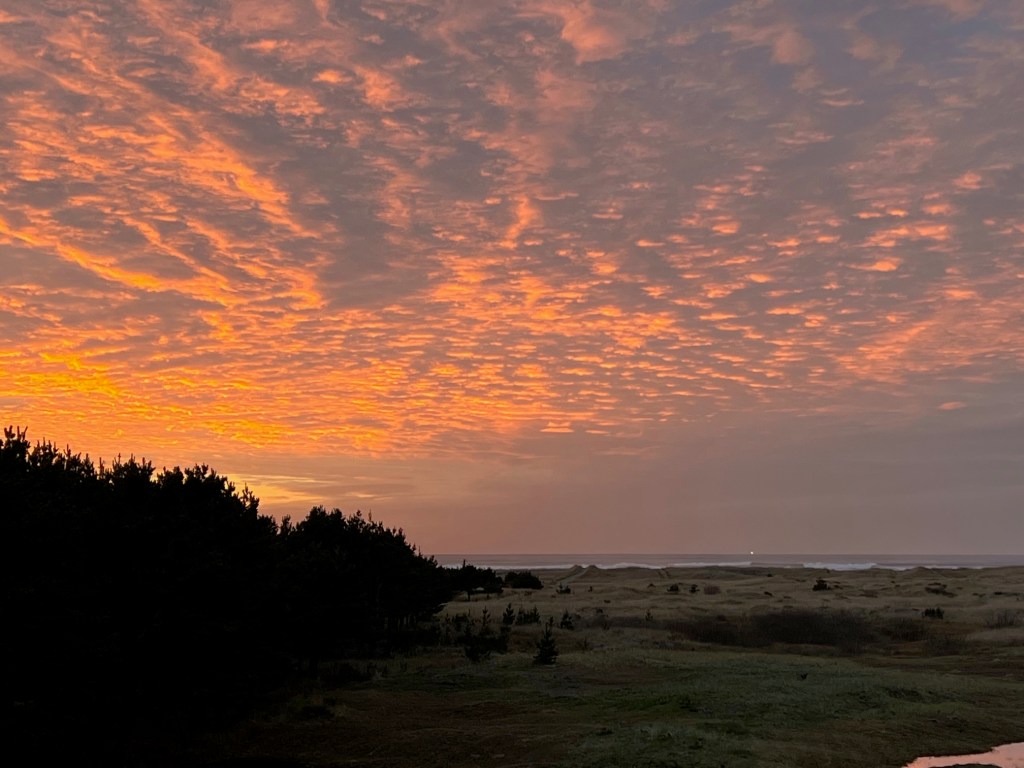
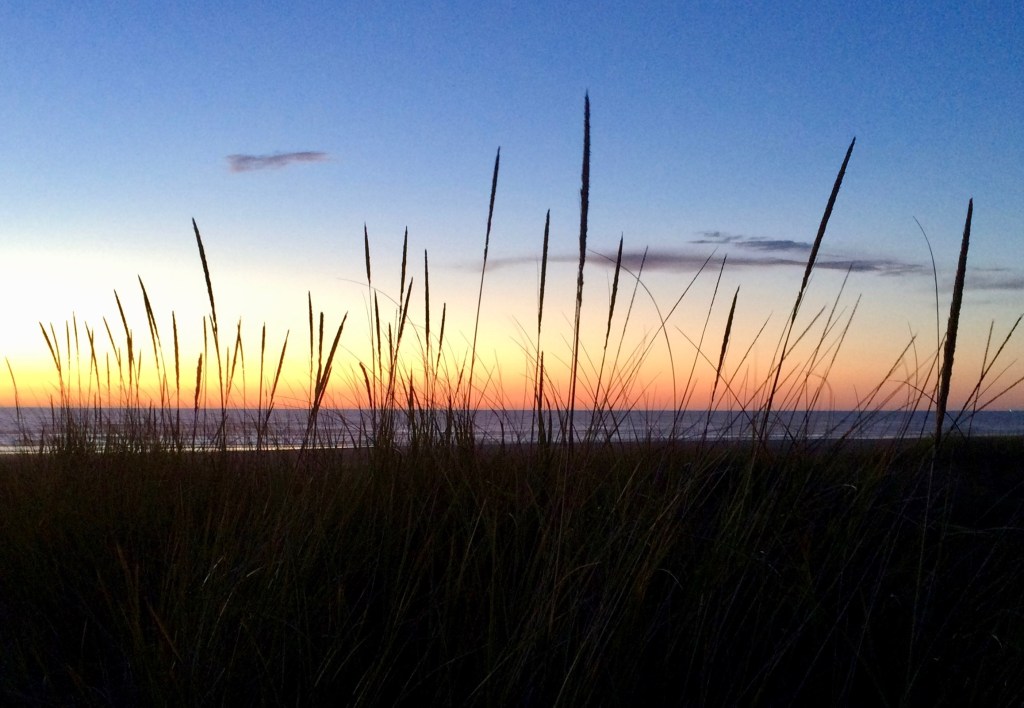
However, in this challenge I’ve decided to opt for a subtle sunrise shot taken on a morning walk to the edge of the continent at Long Beach, WA – USA.

The tree is a sculpture invoking the one that Captain William Clark carved his name into when he and other members of the Corps of Discovery finally arrived at the Pacific Ocean in 1805.
A crow watched and cawed from atop the sculpture, and flew off as Jello and I approached.


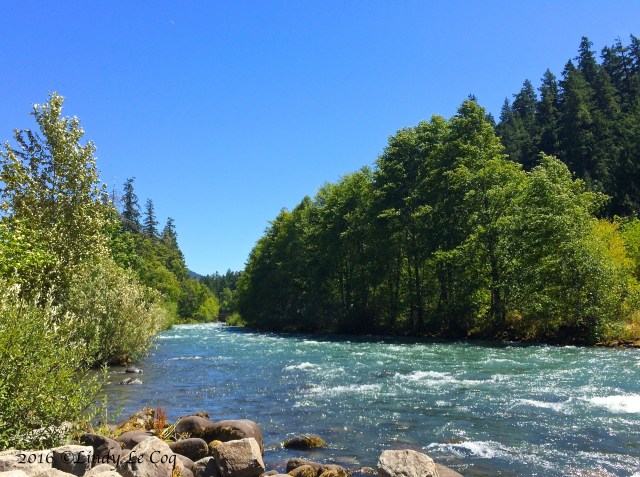


Upon my retirement over five years ago, my time has been mine to manage. When I think “I’d rather be…” I have to say “…and what/who is stopping me?”


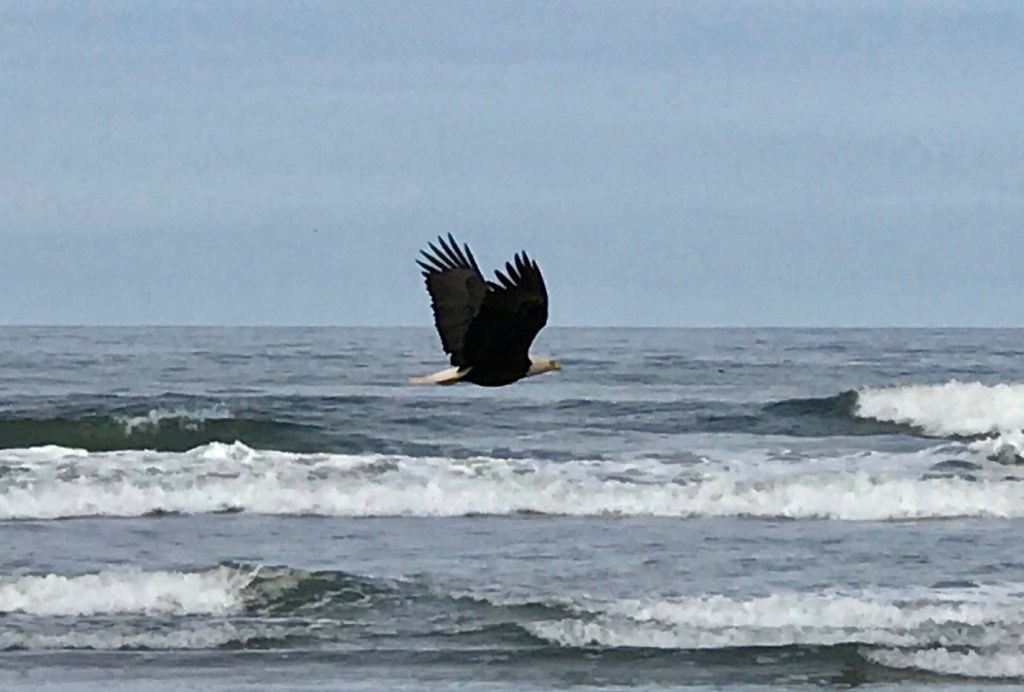
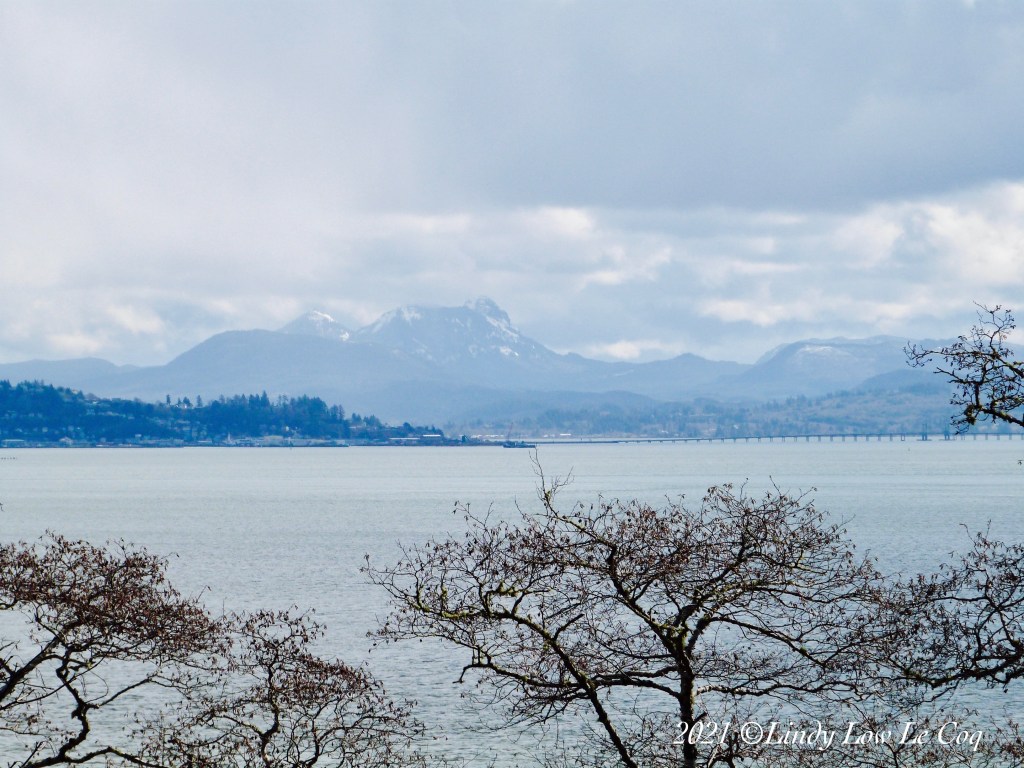
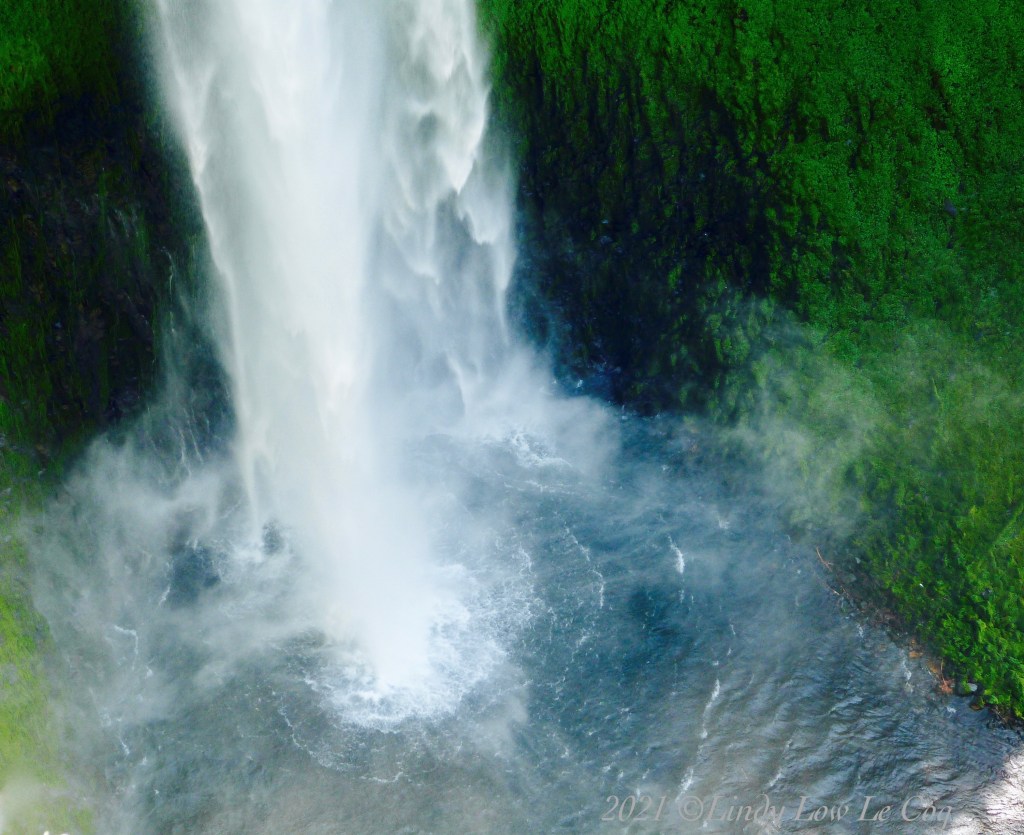
As I scrolled through my ever-expanding email inbox this morning, I realized “I’d rather create a post,” so here is a collage of some of my favorite activities!






 Lindy Low LeCoq