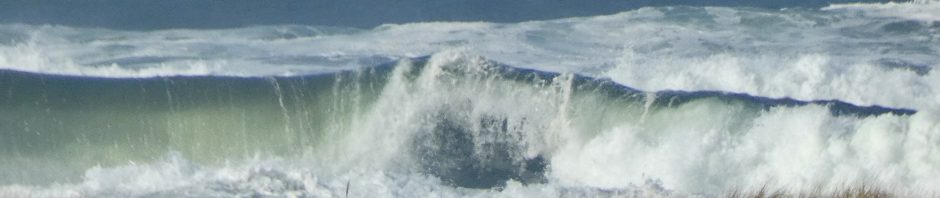
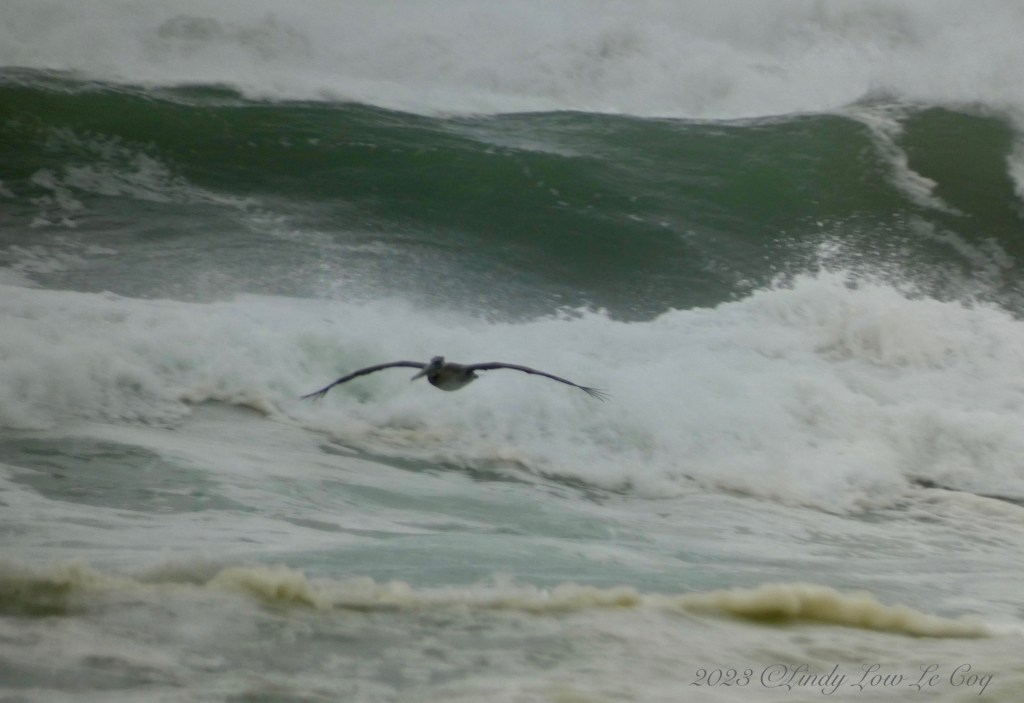
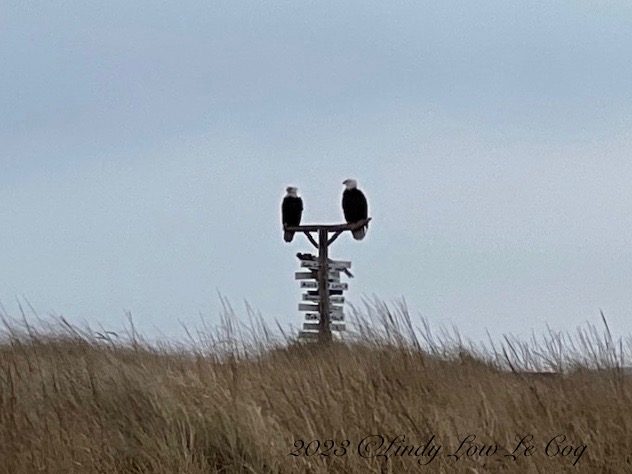
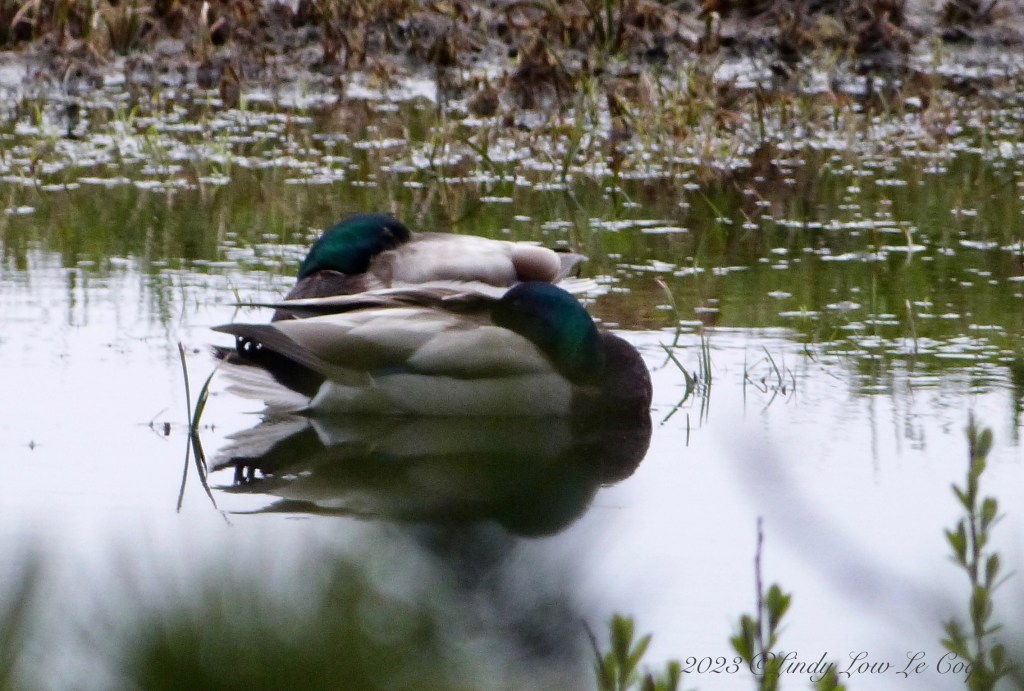
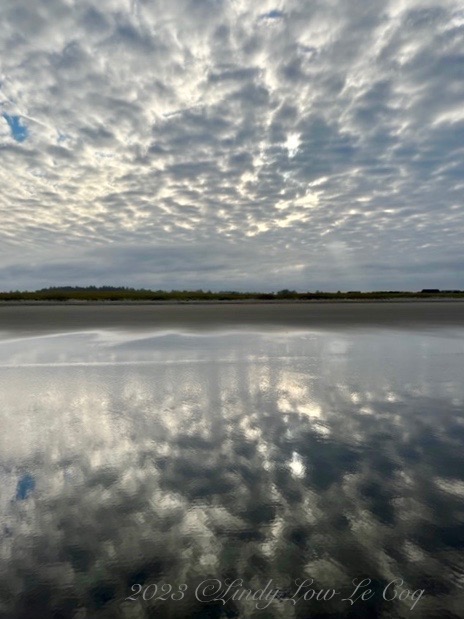
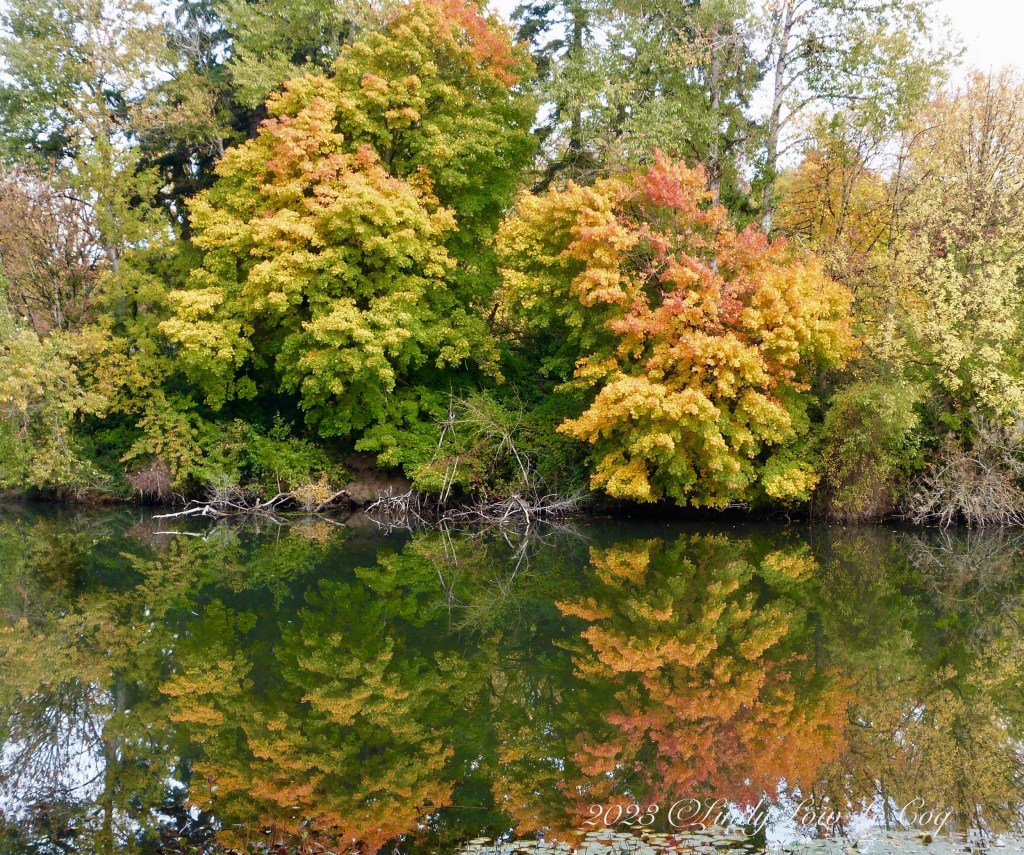
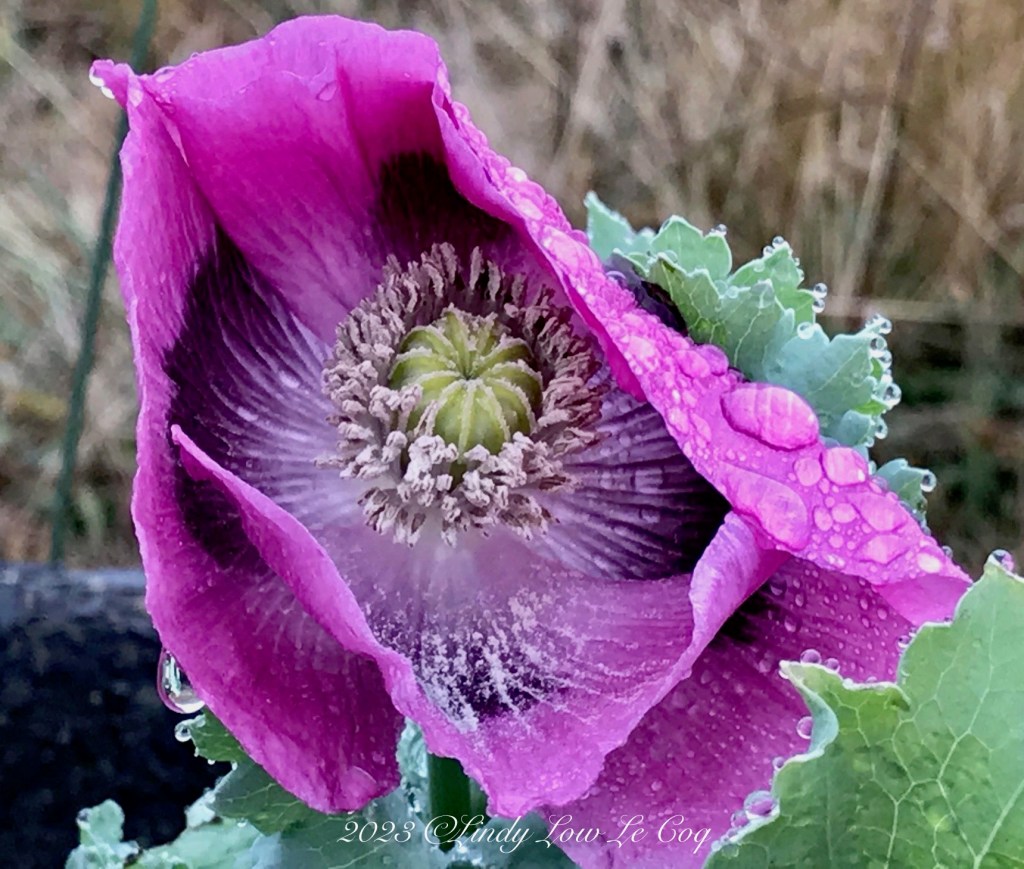
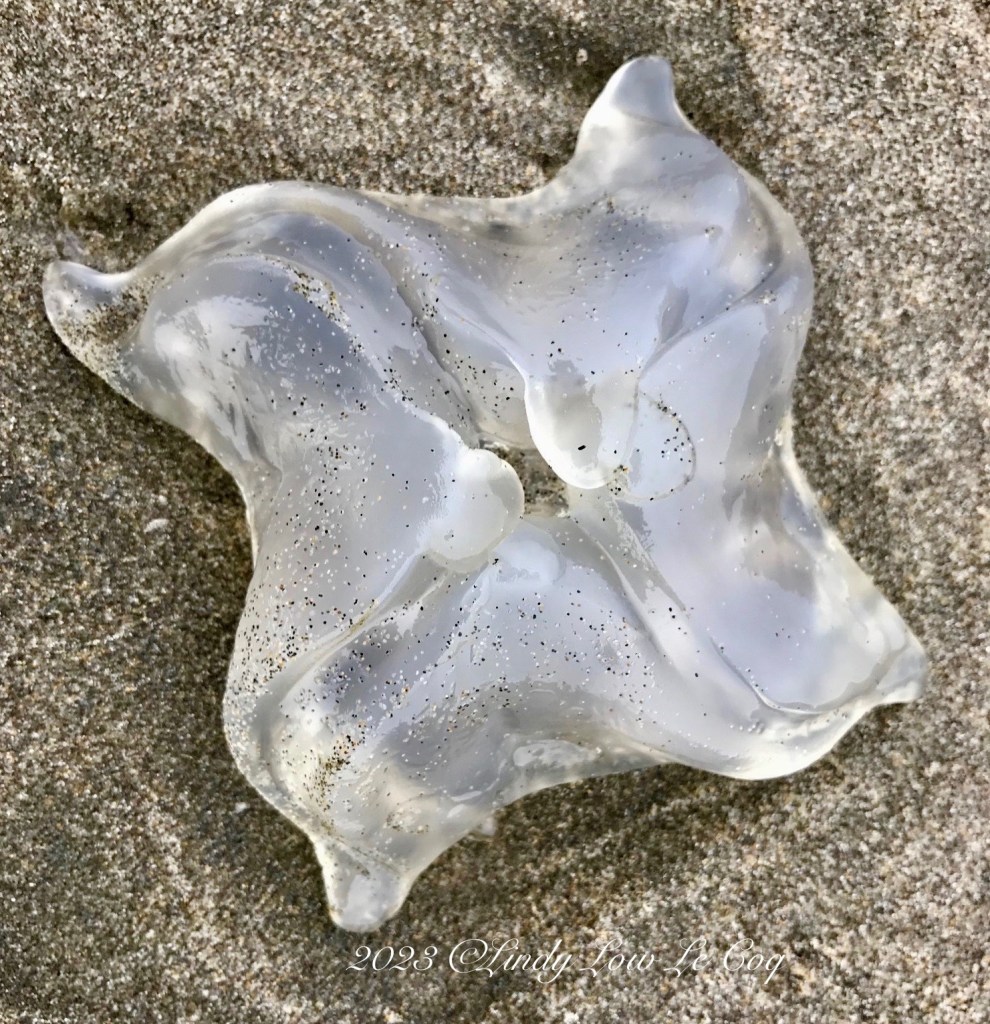
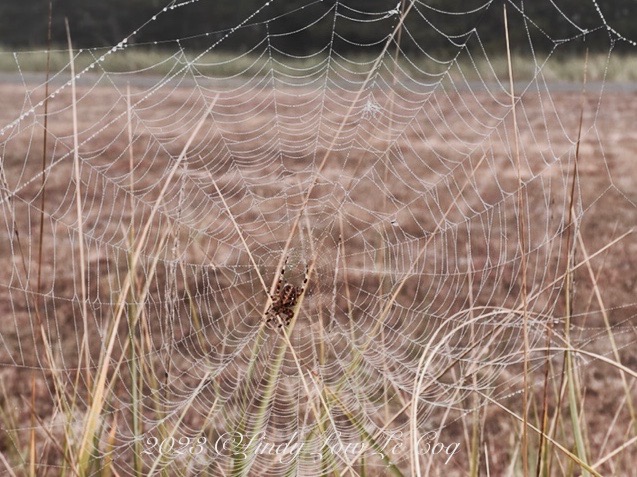
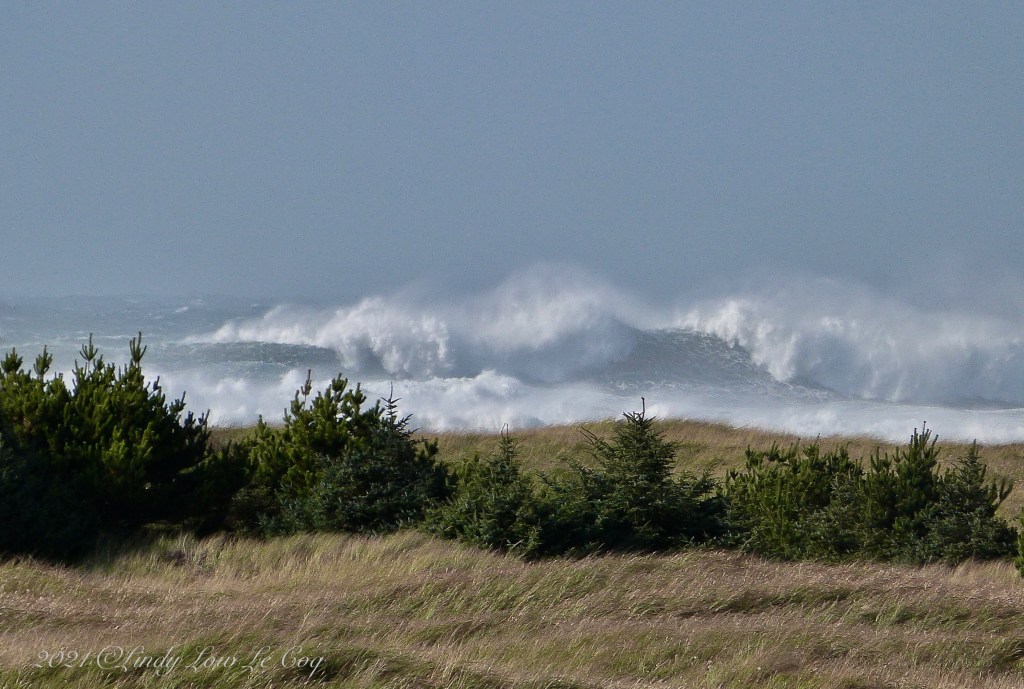
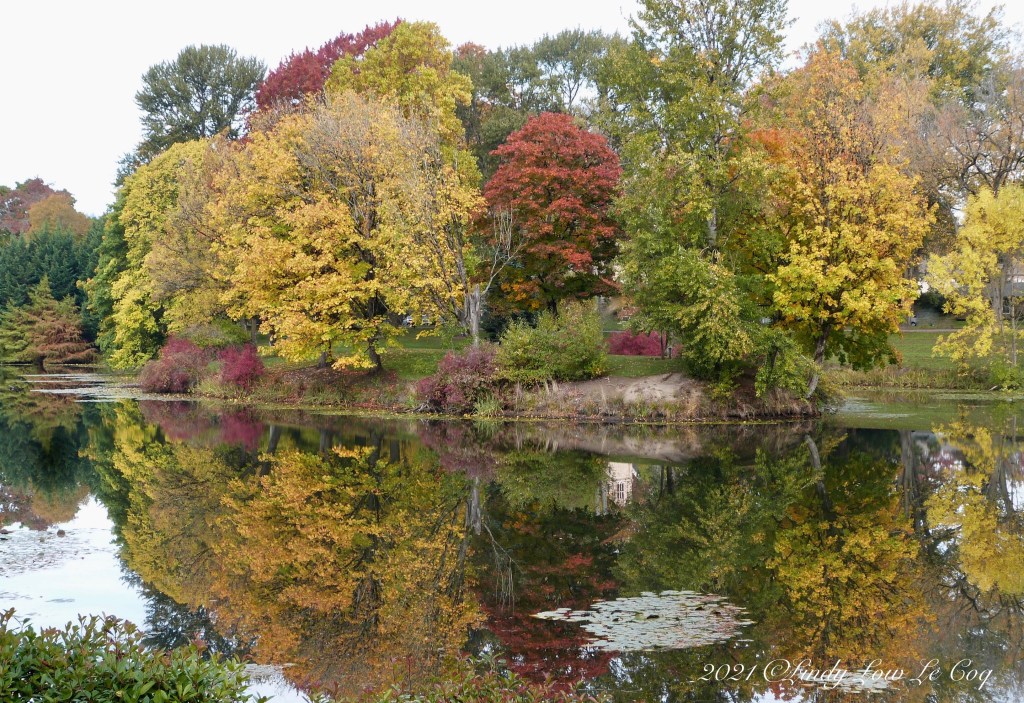
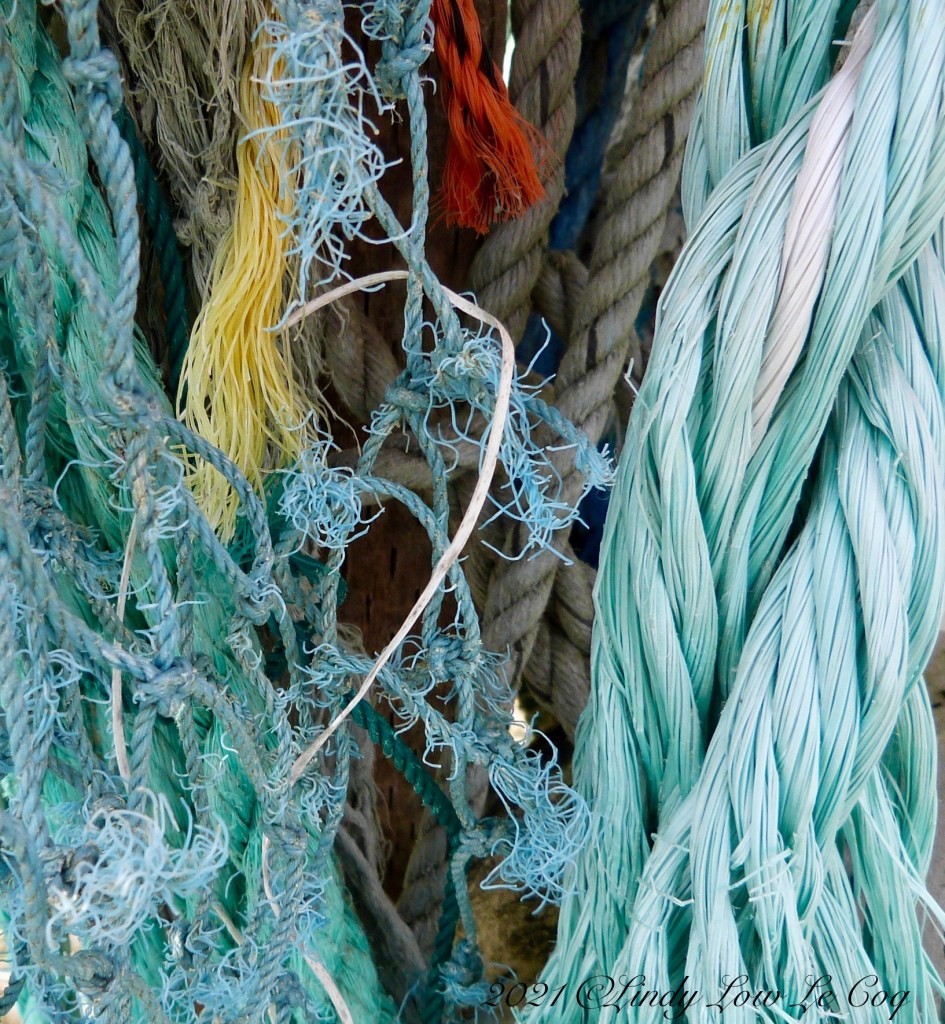
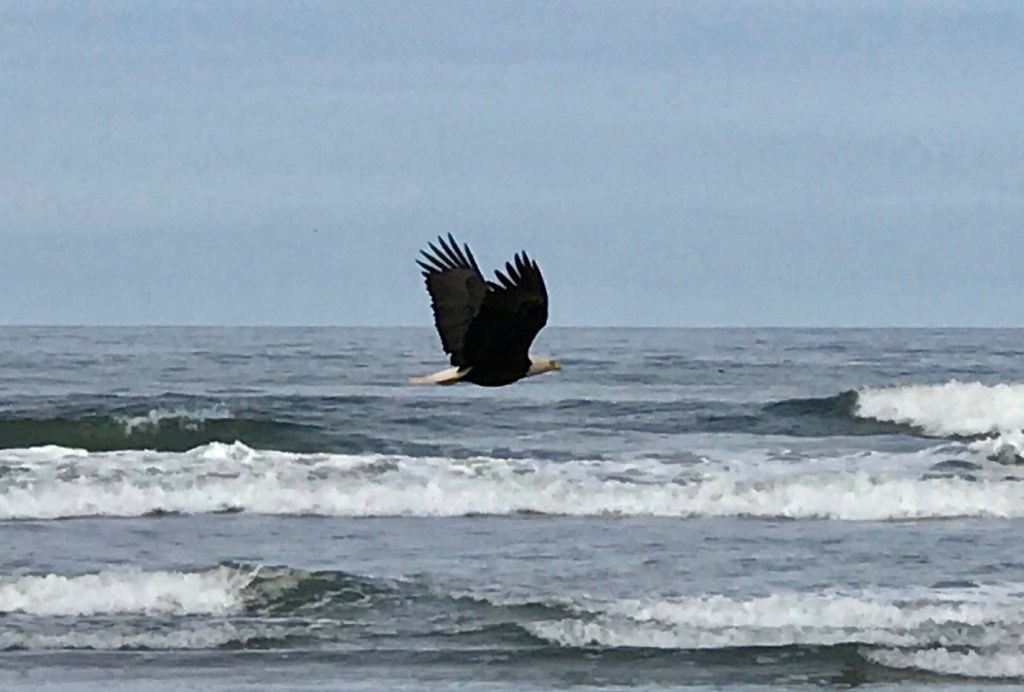
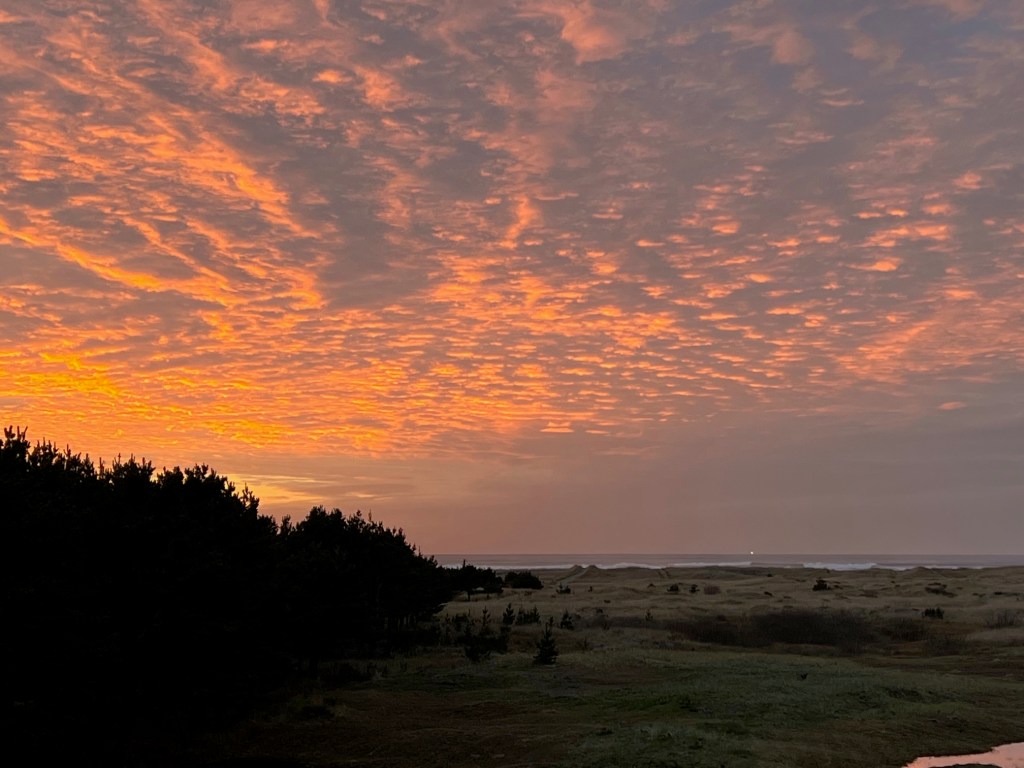
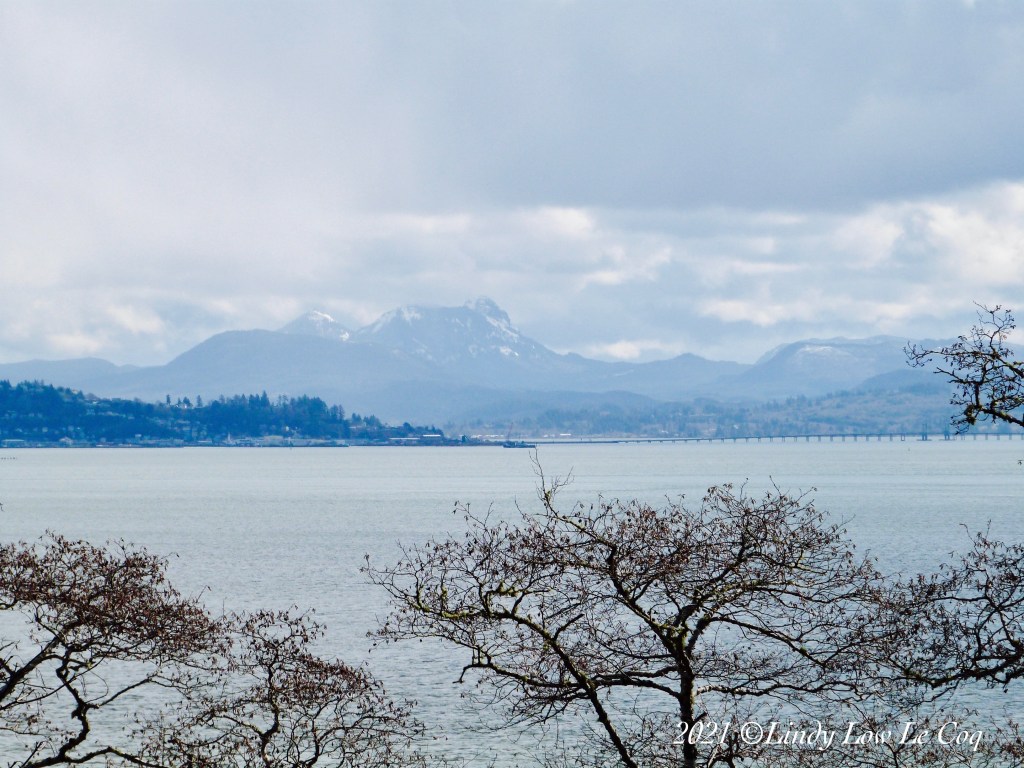
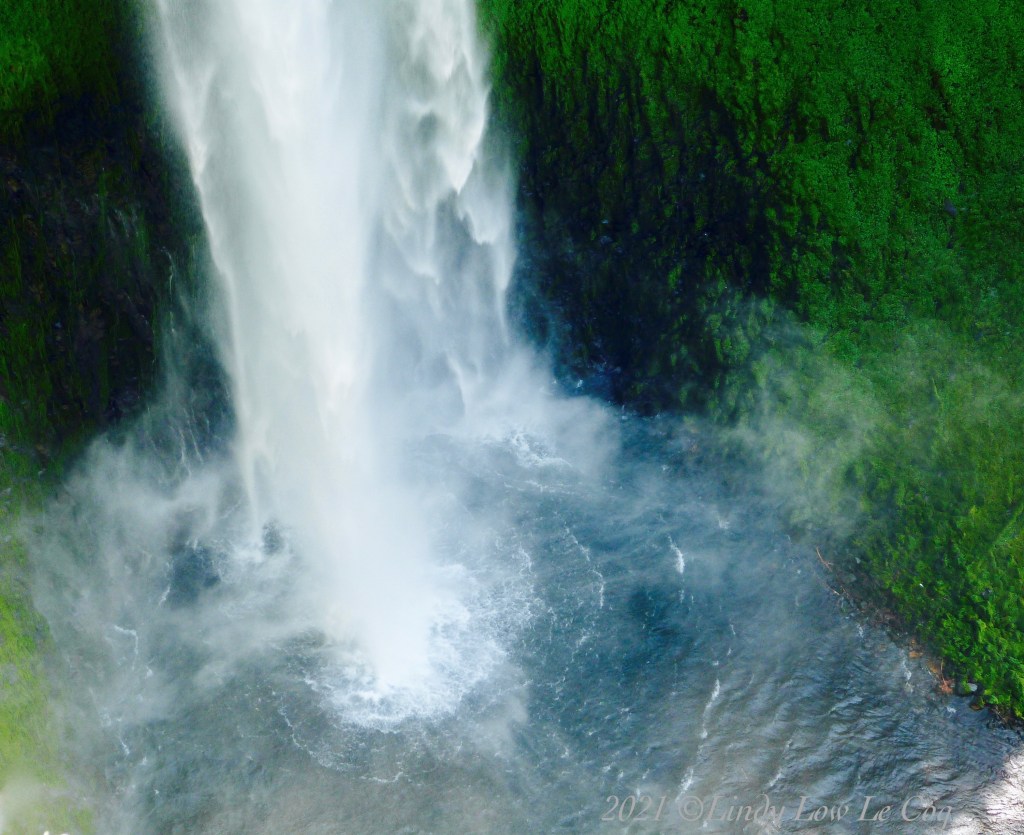
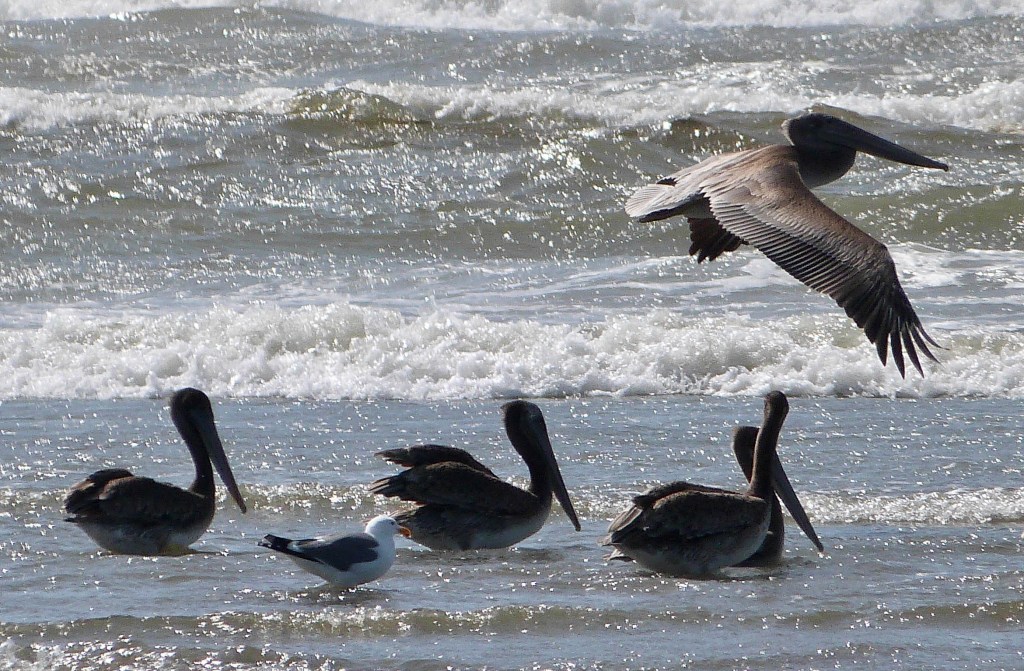
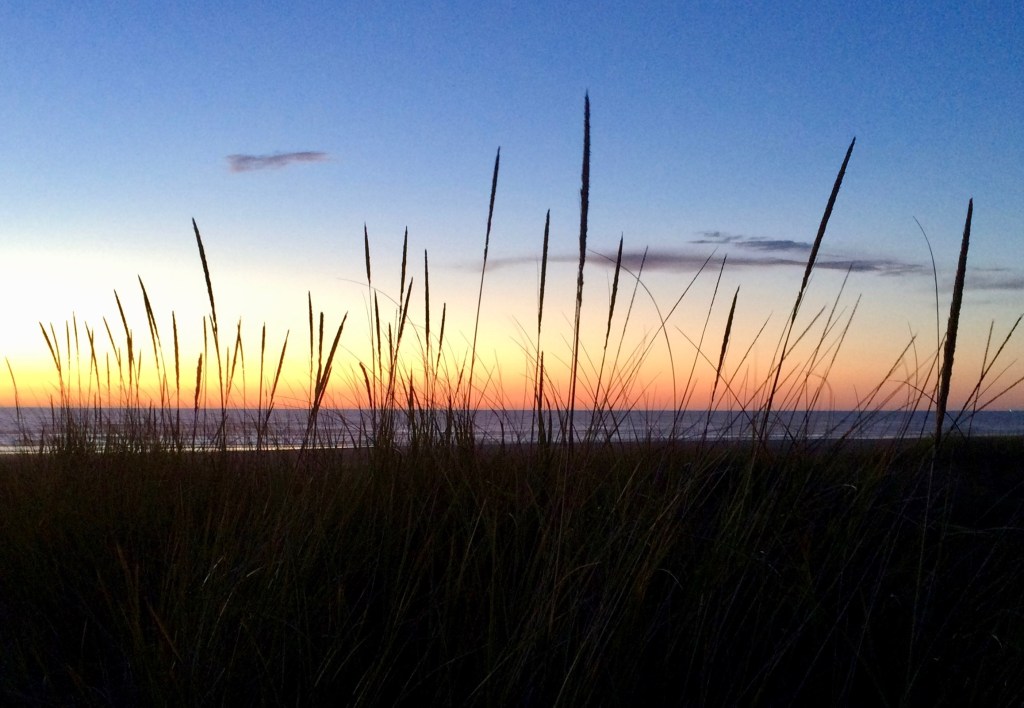
This week Sylvie invites us to feature photos of symmetry. On a beautiful sunny day walking along Long Beach as waves crested and swept in, I saw them as symmetrical lines in motion. Then I read John RH’s first post on this challenge, in which he introduced the lyrics from the song Poetry in Motion. That was the jump start I needed! “A wave out on the ocean could never move that way.”
Symmetry in Motion
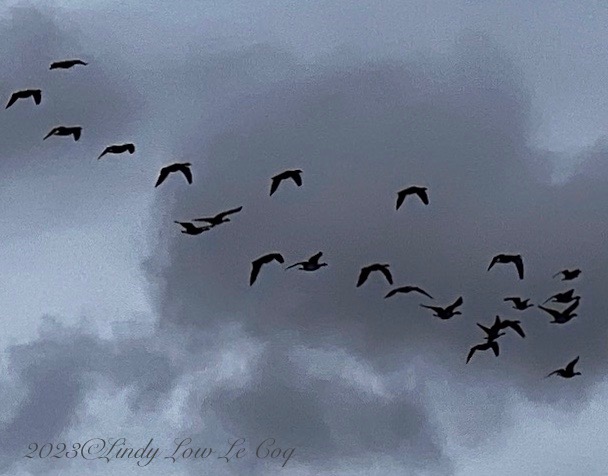
“Have you heard the news – the world goes on by twos.”
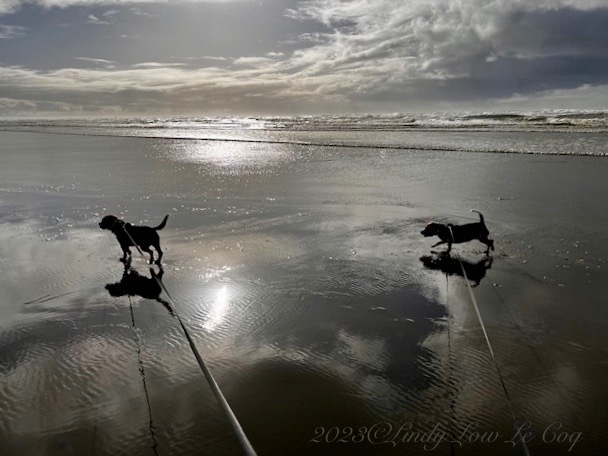
Upon Reflection
Radical Radial Symmetry
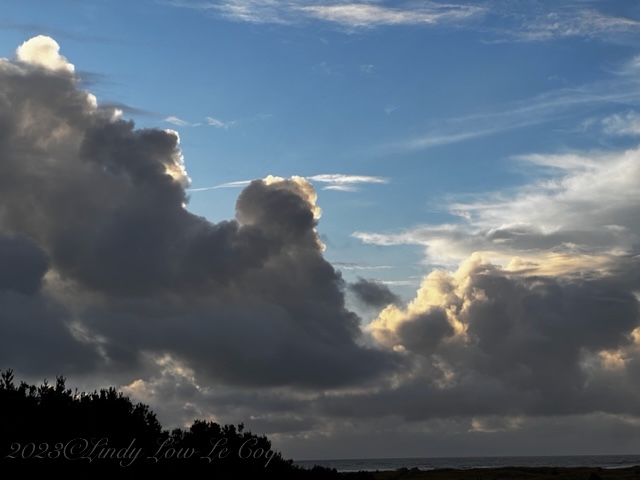
Round and round we go, earth circles sun, moon circles earth, seasons change in a circular pattern, coming back round to another autumn, winter, spring, summer – on and on. Nature is at home with symmetry. Better yet, symmetry originated in nature.
On your walk with life, please honor our earth, encourage dignity and share kindness. 🐾
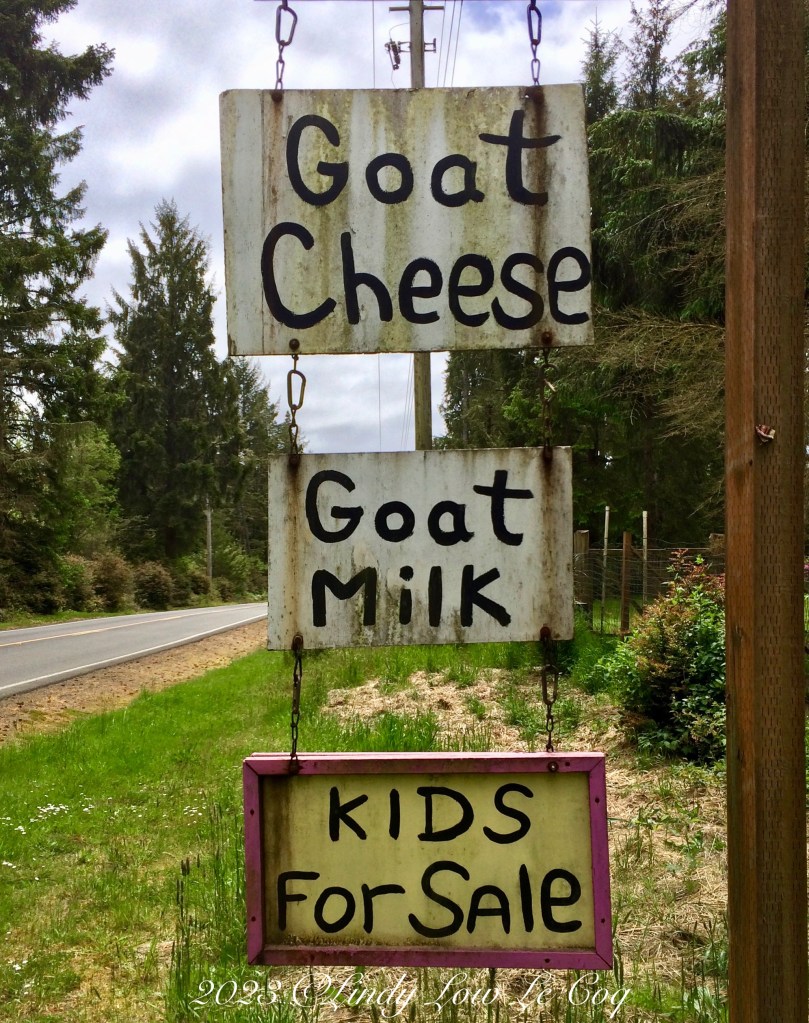
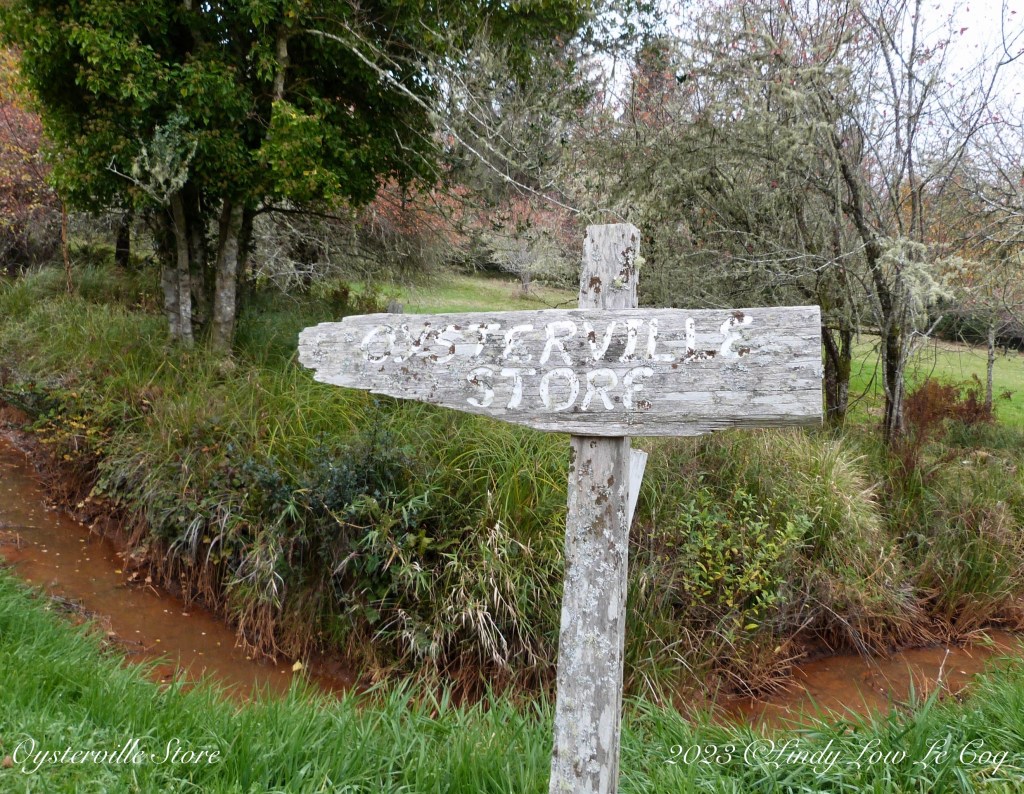
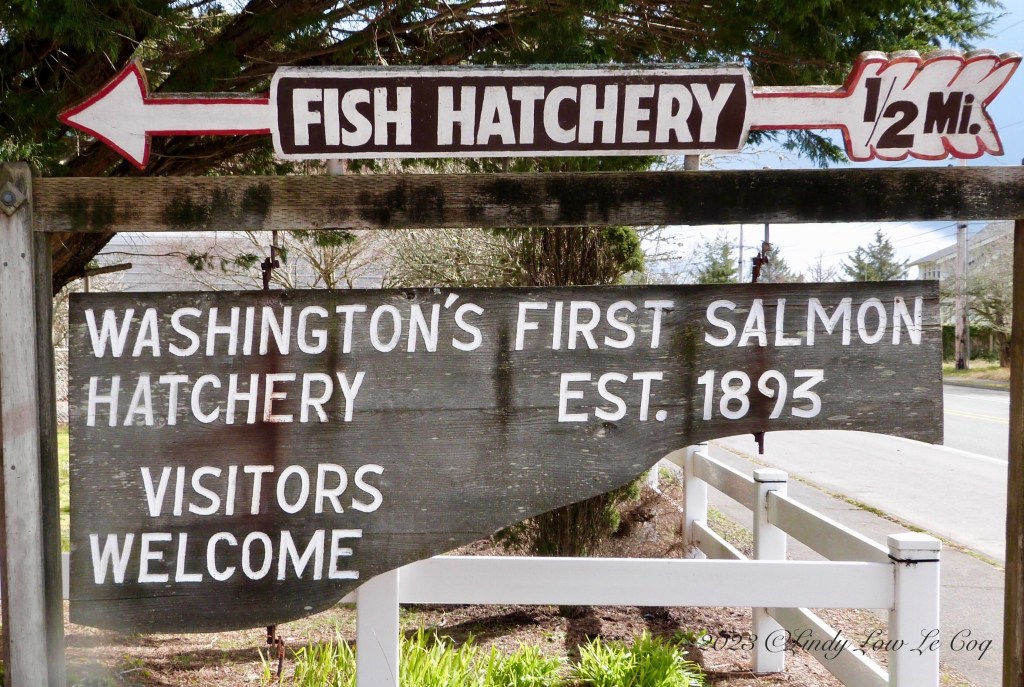
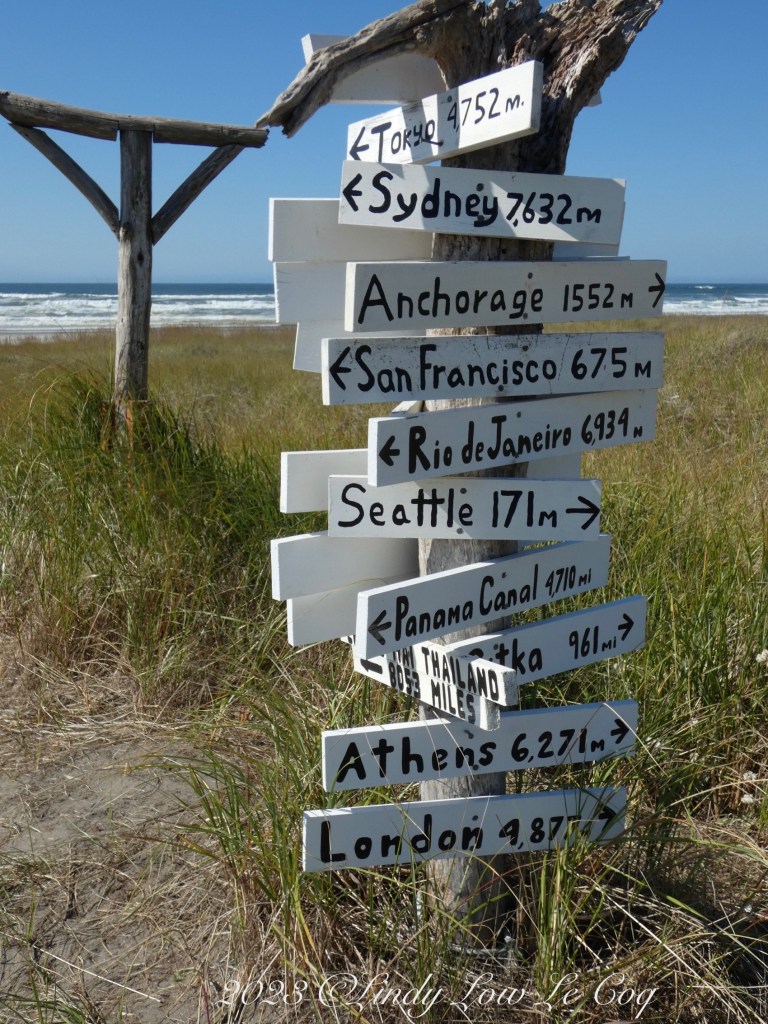
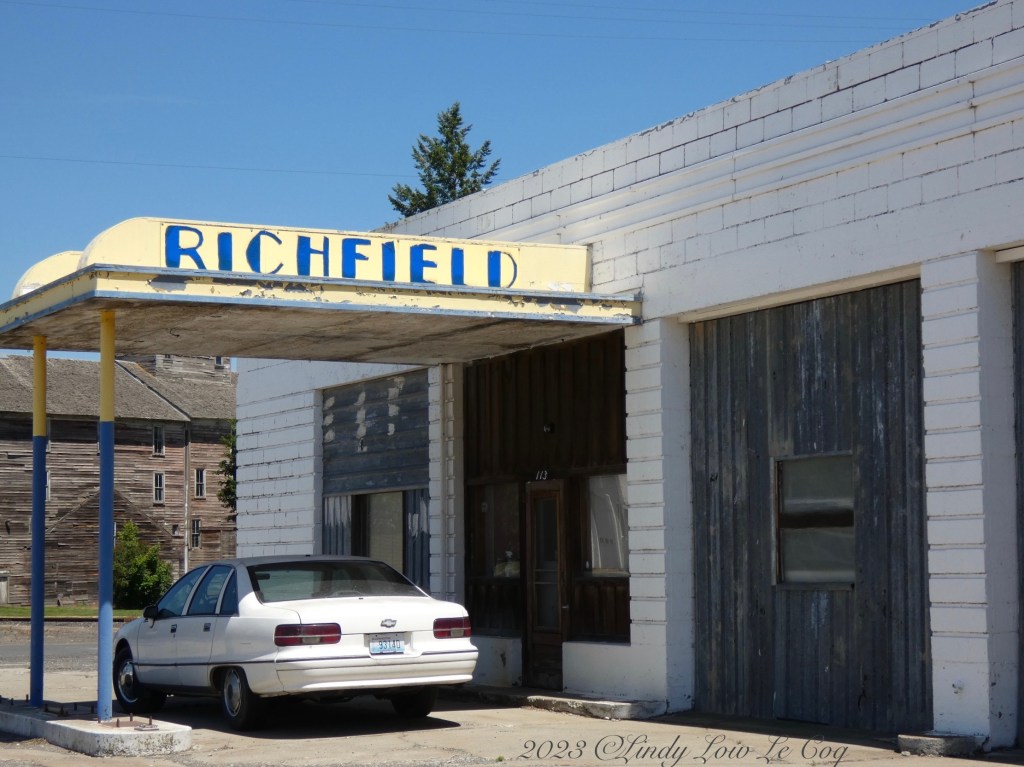
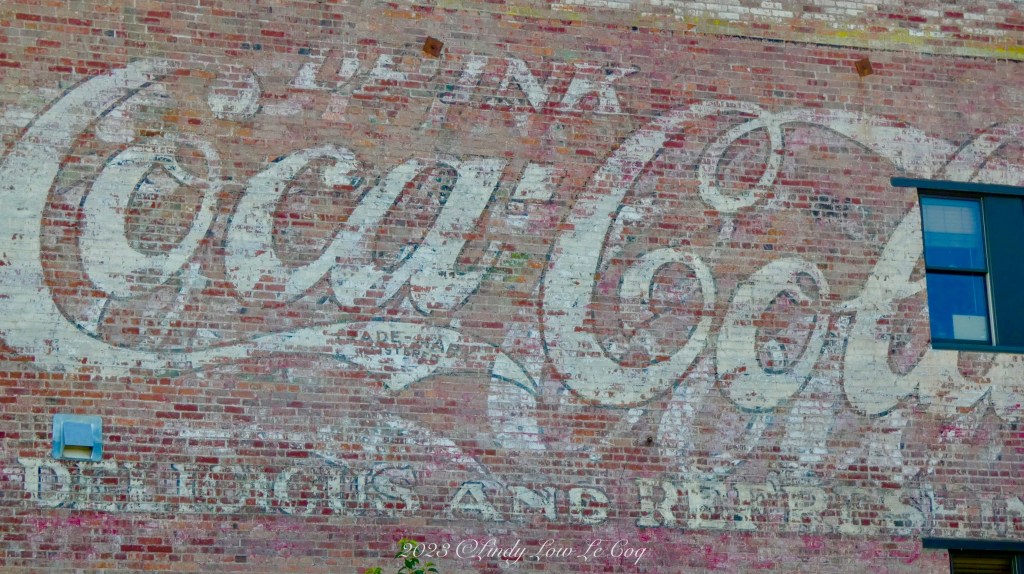
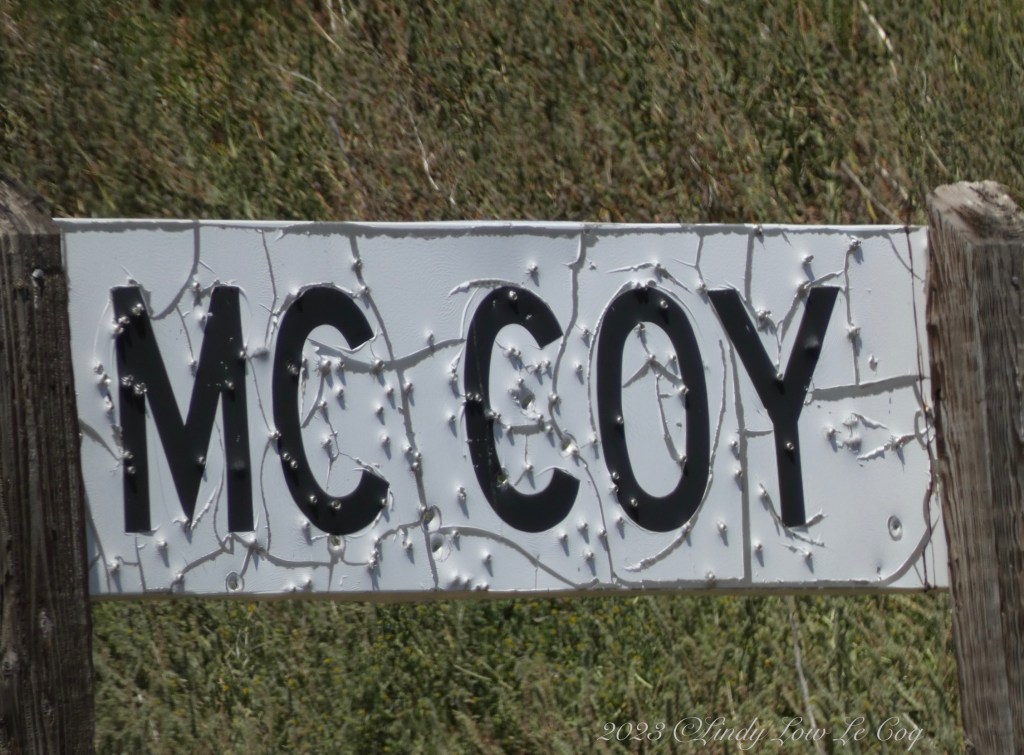
This week, John Steiner swings the door wide open for us to showcase signs and billboards we have noticed and photographed on our travels. In rural Pacific County, Washington USA, signs are often old, usually brief and always to the point!
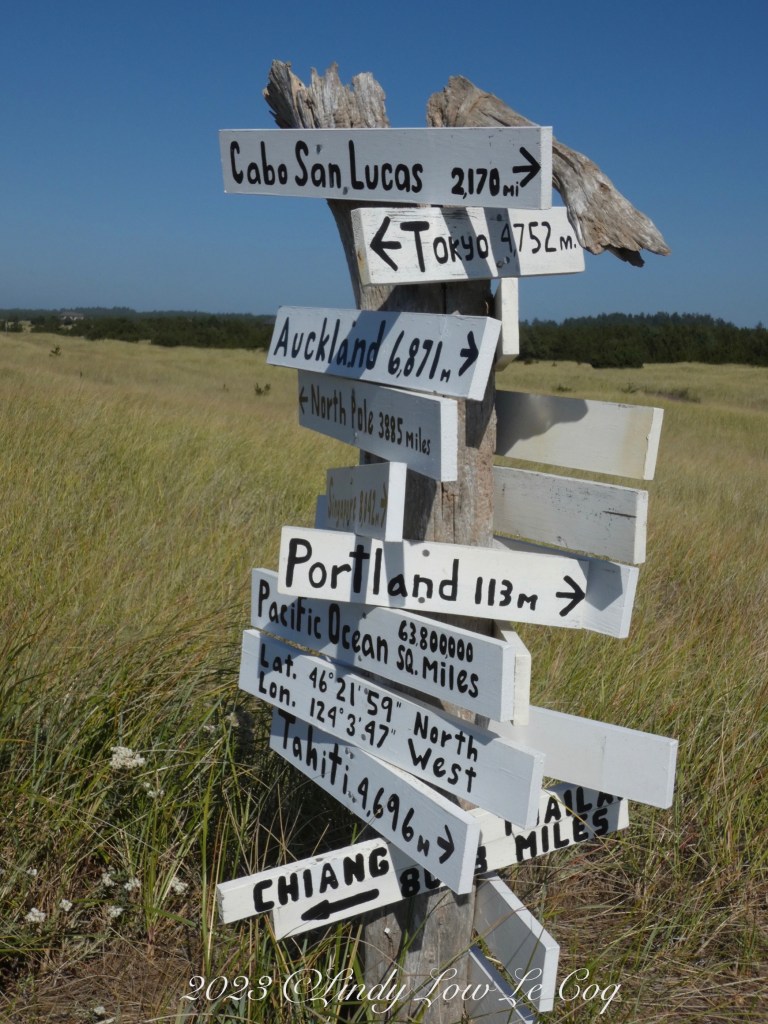
On a path from the Discovery Trail toward the beach, someone has kept this collection of mileage signs fresh over the past six years that I’ve been here, and probably much longer!
On my less-travelled-roads journey through eastern Washington last summer, this old Richfield station sign harkened me back to my youth. “Richfield Oil Corporation was an American petroleum company based in California from 1905 to 1966. In 1966, it merged with Atlantic Refining Company to form the Atlantic Richfield Company (later renamed ARCO).” Wikipedia
Before highway billboards, building walls along busy roads were used to advertise products. This remnant from Spokane, WA is an example.
Conveniently perched on a branch in front of a stop sign, this Junco received my immediate attention!
On your walk with life, please honor our earth, encourage dignity and share kindness. 🐾
Thanks to John for this inviting challenge. There were so many other images I might have chosen, but they will have to wait for another opportunity to shine!
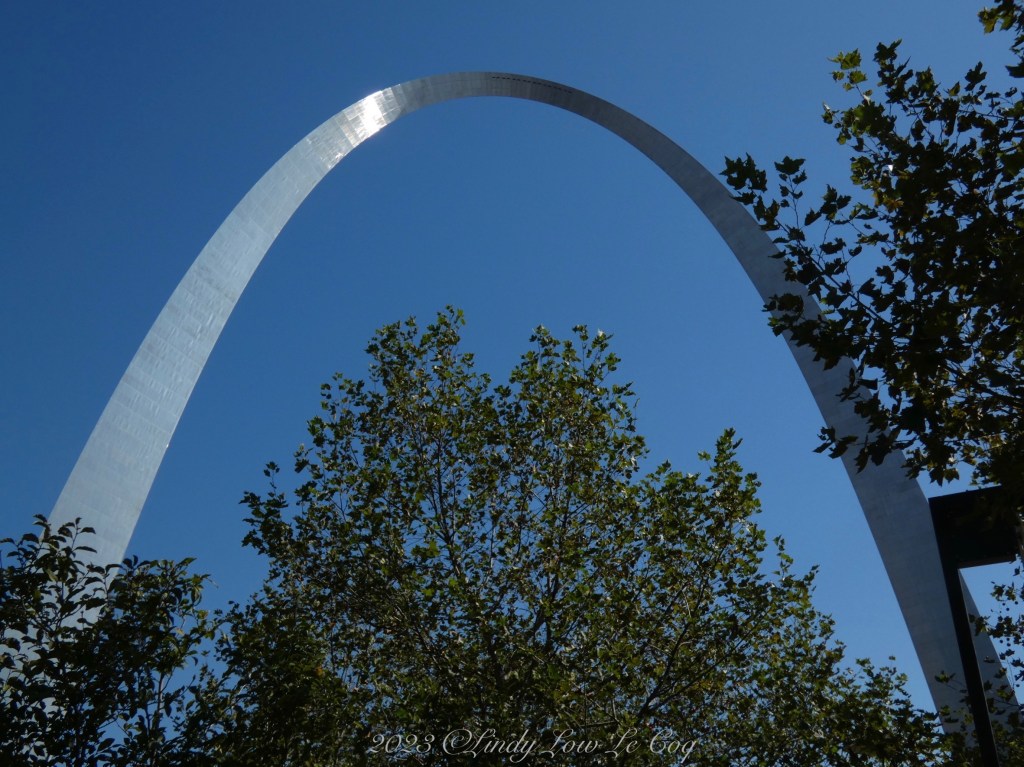
Amy puts us to the test this week with the theme of Contrasts. In many ways, photography depends upon contrast for context: light/dark, smooth/rough, curves/straight lines, color changes, color opposites, and the list goes on. My photo selections for this study are images taken this year, 2023. Some you may have seen before, others are fresh from my visit to St. Louis, last week.
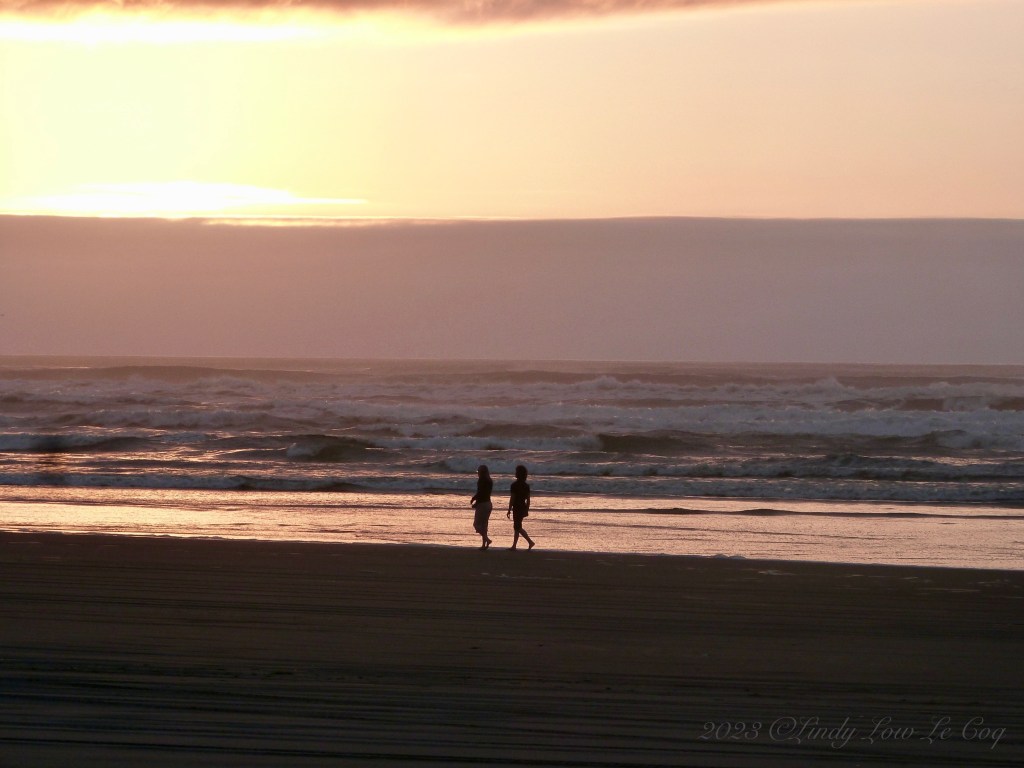
With the sun lowering behind a bank of clouds over the Pacific Ocean in January, light shifts from soft yellow to gold on black, as two youngsters caper in silhouette along the beach.
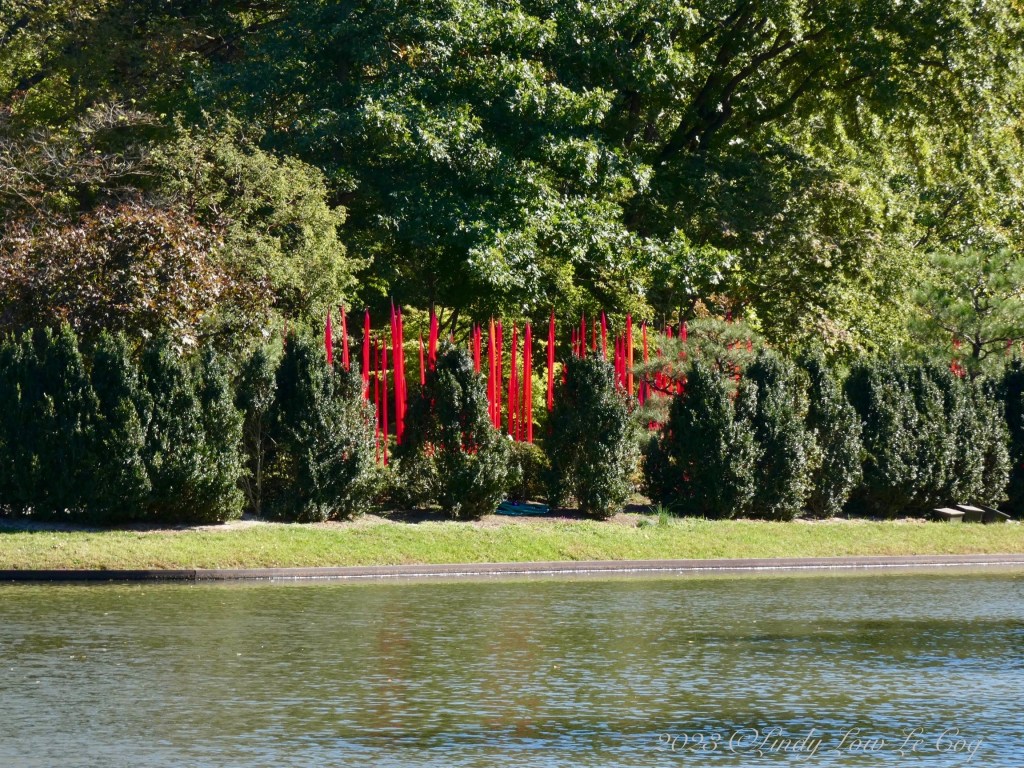
The Missouri Botanical Gardens in St. Louis, was on the last week of a Chihuly in the Garden exhibition when my sisters and I visited. This was my first ‘live’ contact with Chihuly glass art, and it was absolutely wonderful to experience the sculptures in a landscape setting. Above, across the Japanese garden pond, Red Reeds, stand in stark color and texture contrast with the evergreens along the shoreline.
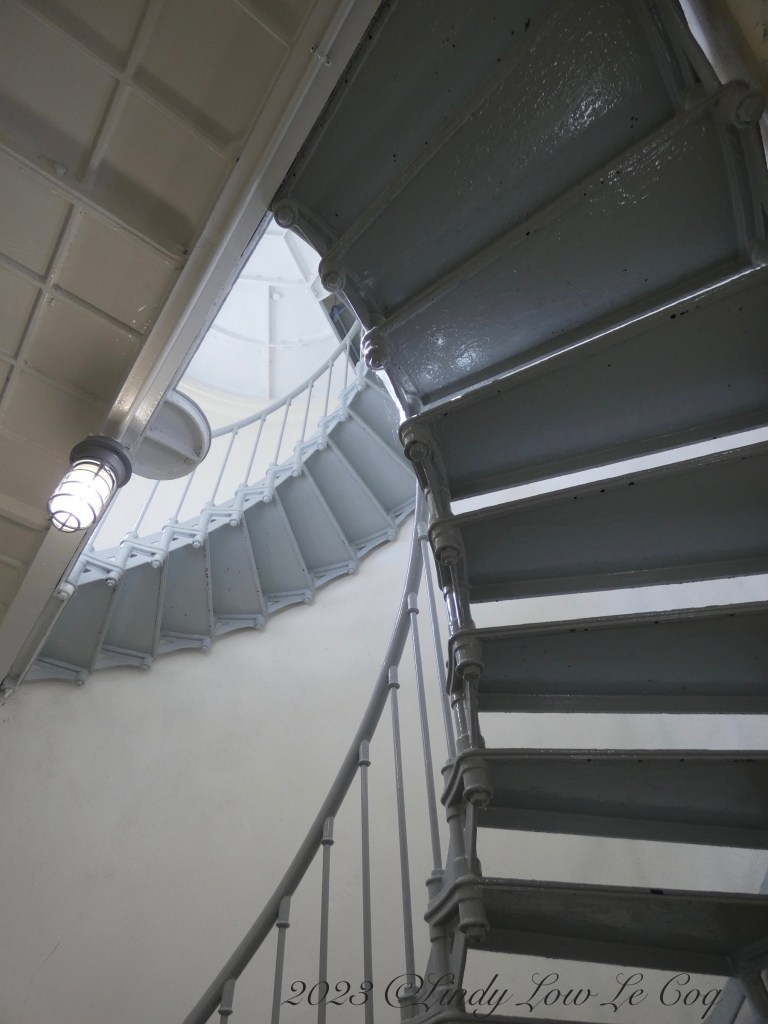
As I climbed up the stairs inside the North Head Lighthouse, the lines of railings and steps, plus the view to where once the big fresnel light had been suspended, captured me. Geometric shapes, light and space are all at play in this photo. (Ilwaco, WA)
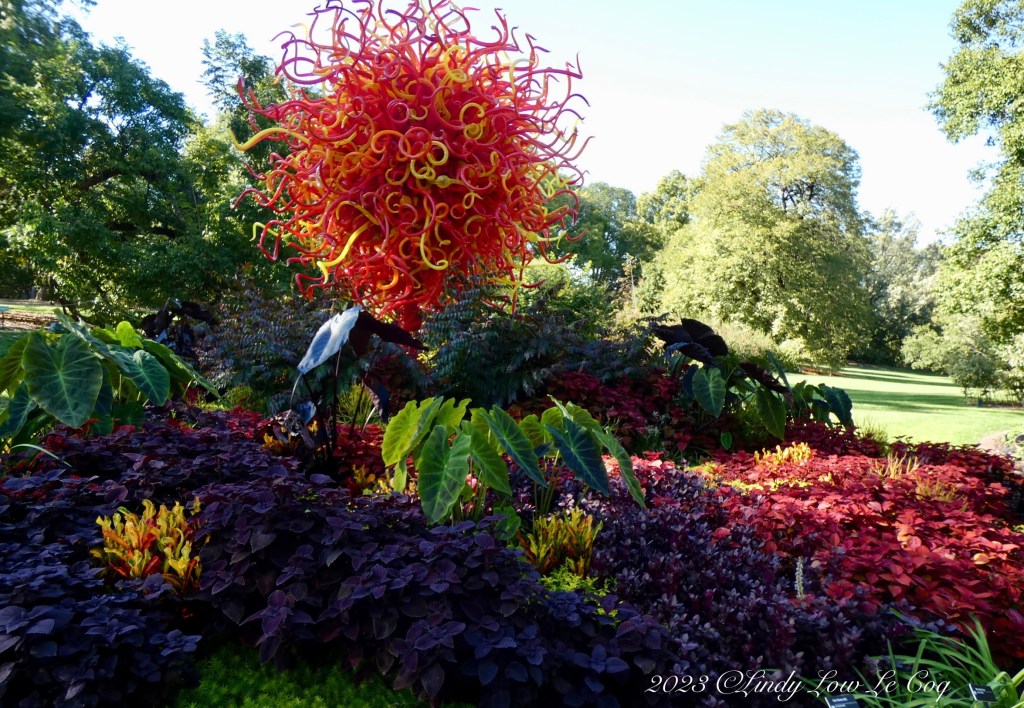
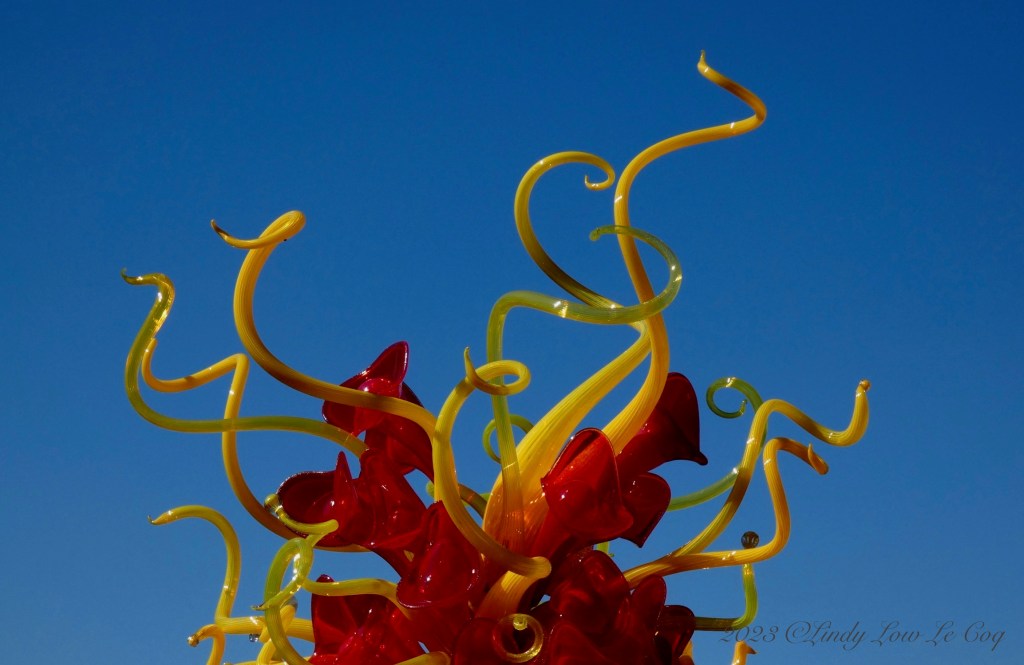
Bright curls from the Chihuly Vermillion and Canary Yellow Tower, dance upon the bright blue sky; a vibrant meeting of primary colors.
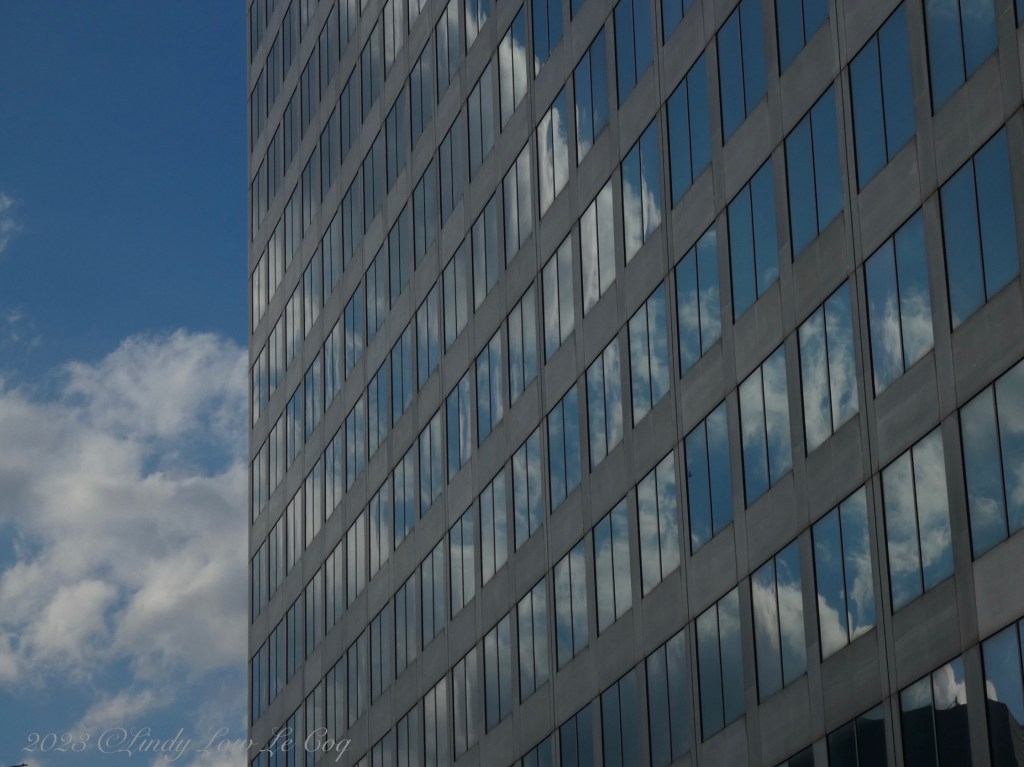
Fluffy soft clouds in the bright blue sky beyond and reflected in the windows of this straight steel St. Louis building stopped me. Catching the contrast between nature’s free flowing forms and man-made structures is a favorite subject of mine.
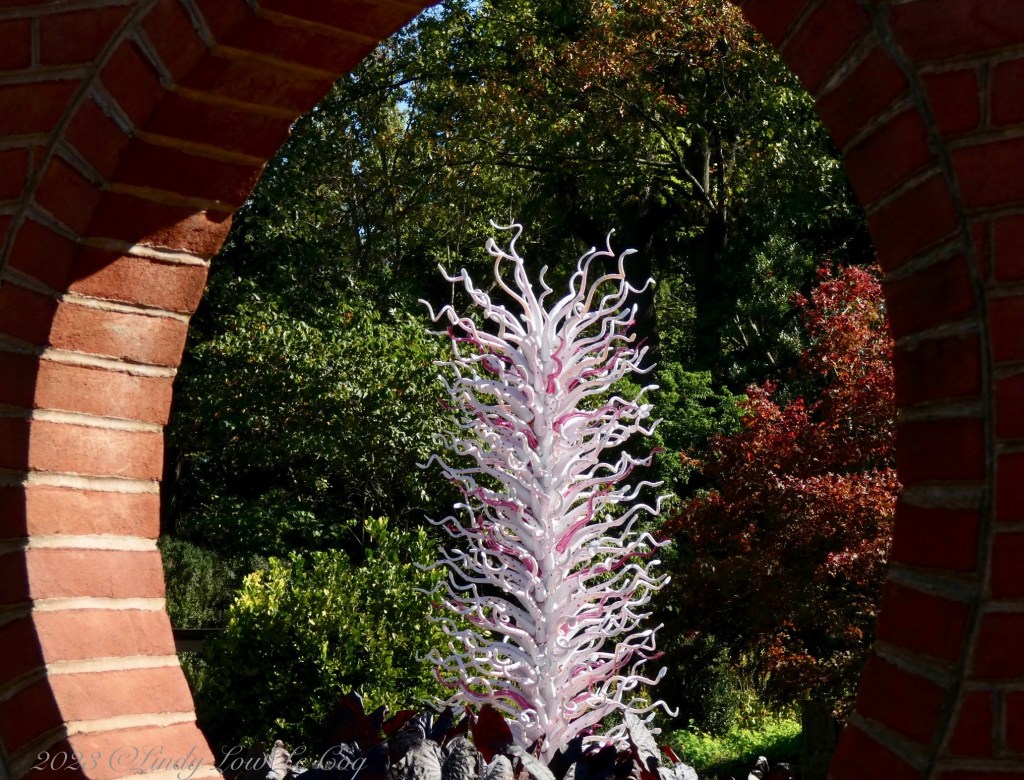
Through the aperture of a solid brick wall, the Chihuly White Tower shimmers in icy jewel tones.
On your walk with life, please honor our earth, encourage dignity and share kindness. 🐾
A big thank you to Amy, for this challenge and her excellent examples and descriptions to guide our way!
This site and prompt came to my attention through Cee’s blog. When I saw her post, I knew that finally there was a befitting place to feature this photo taken in eastern Washington State, USA.
On your walk with life, please honor our earth, encourage dignity and share kindness. 🐾
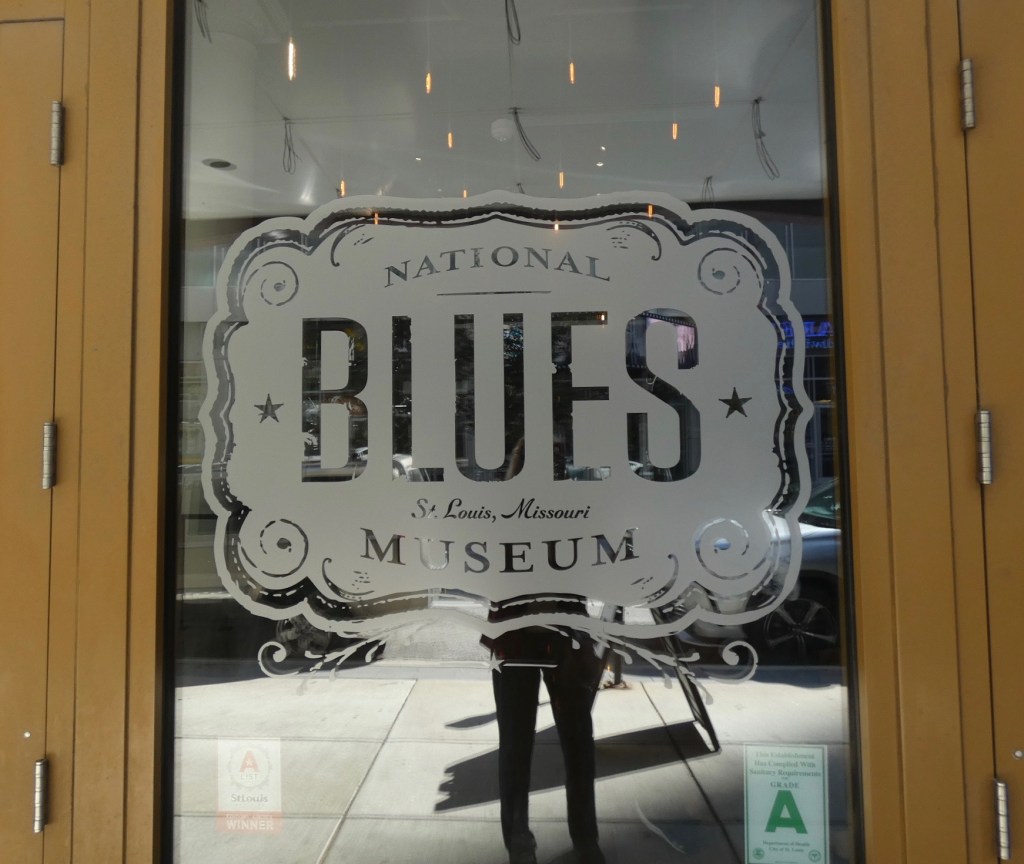
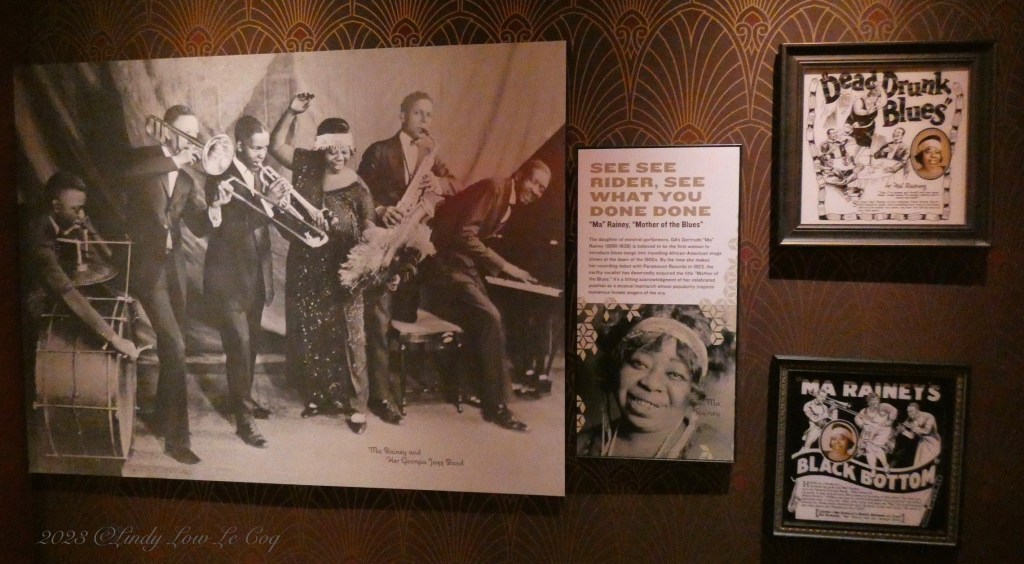
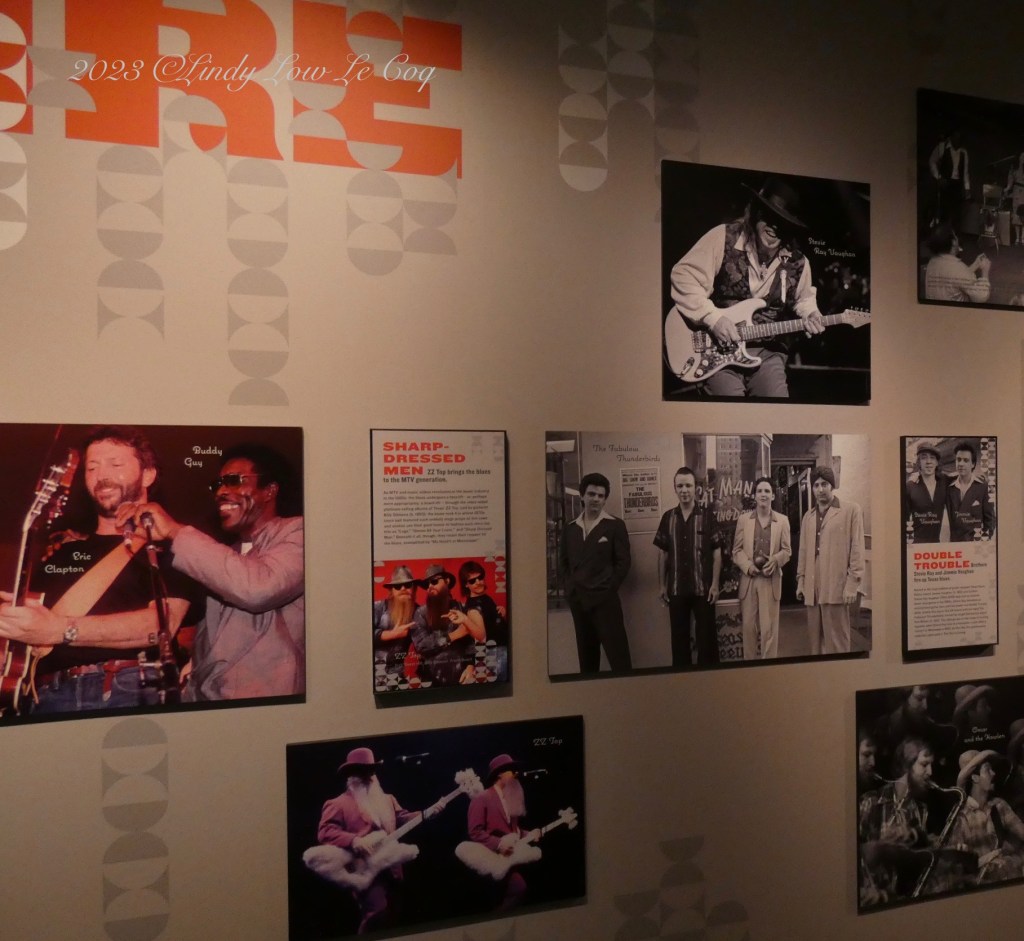
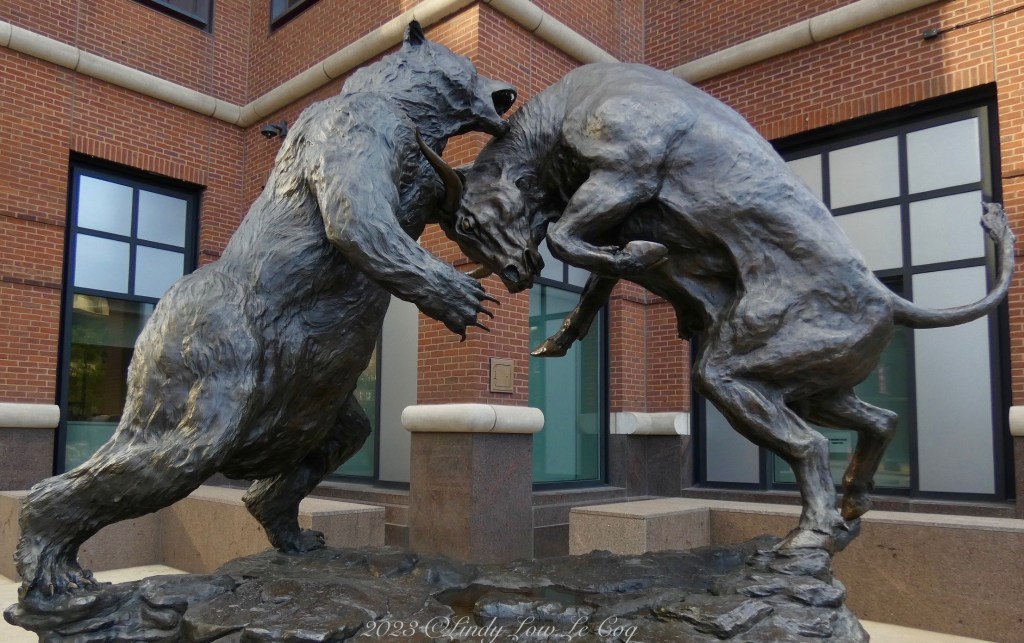
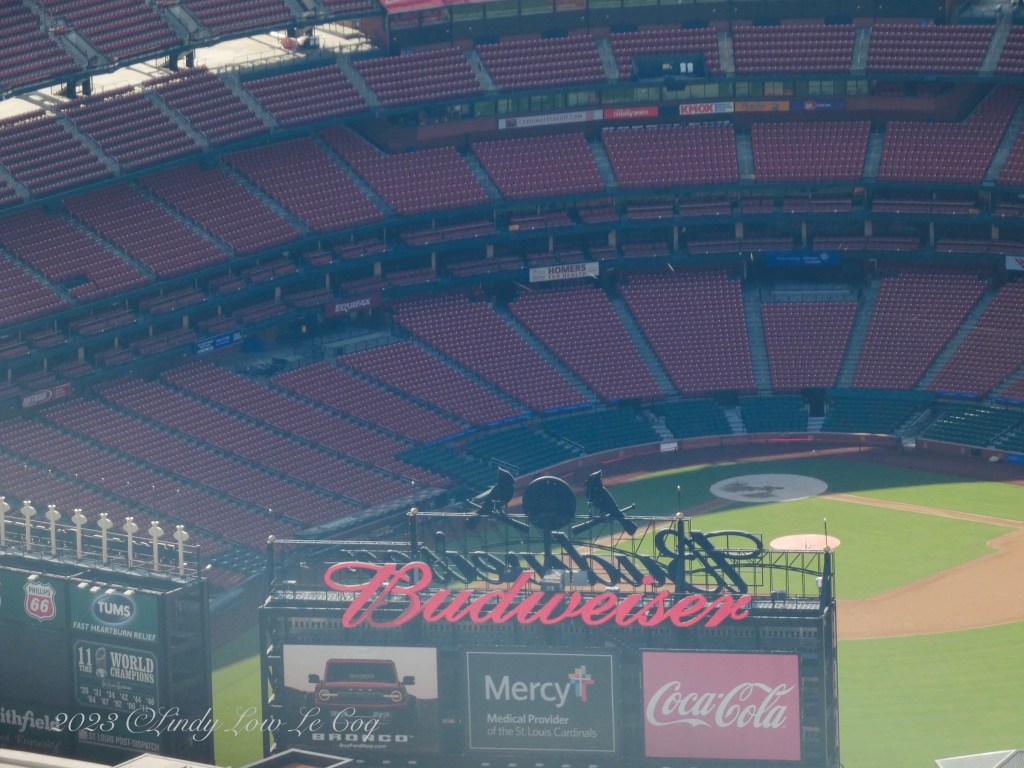
My older sister and I joined our younger sister at her home in St. Louis, for a get-together this week. Since this was my first visit to St. Louis, my sisters knew just where to take me for my initial day on the town!
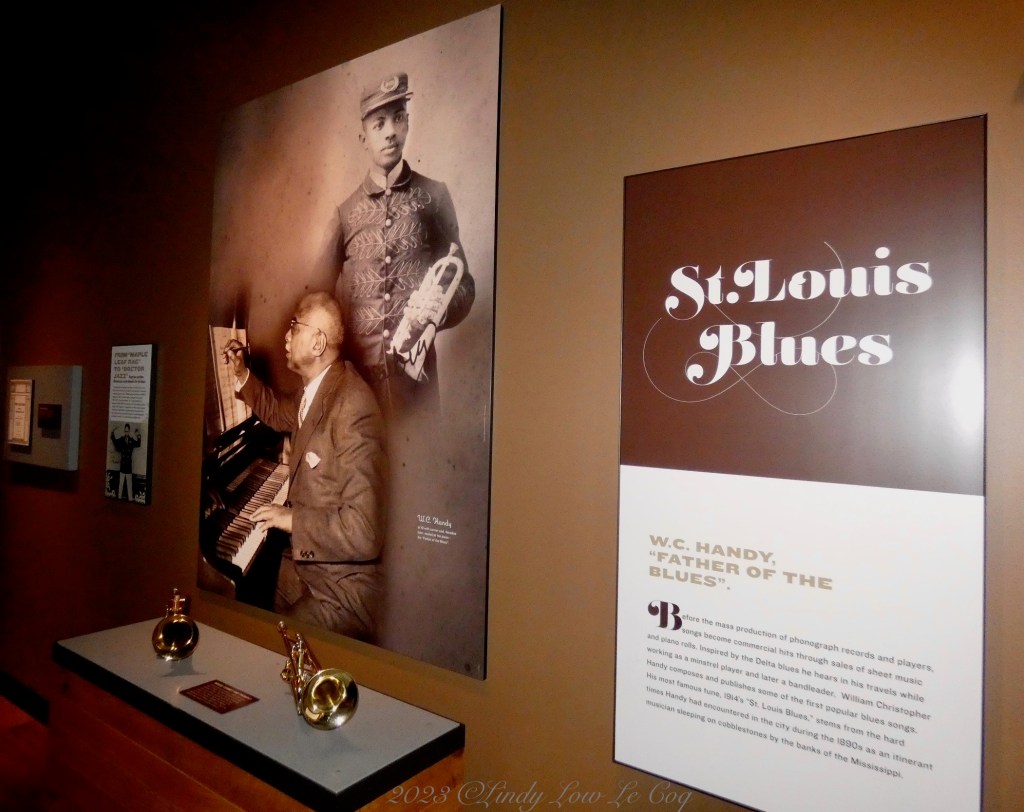
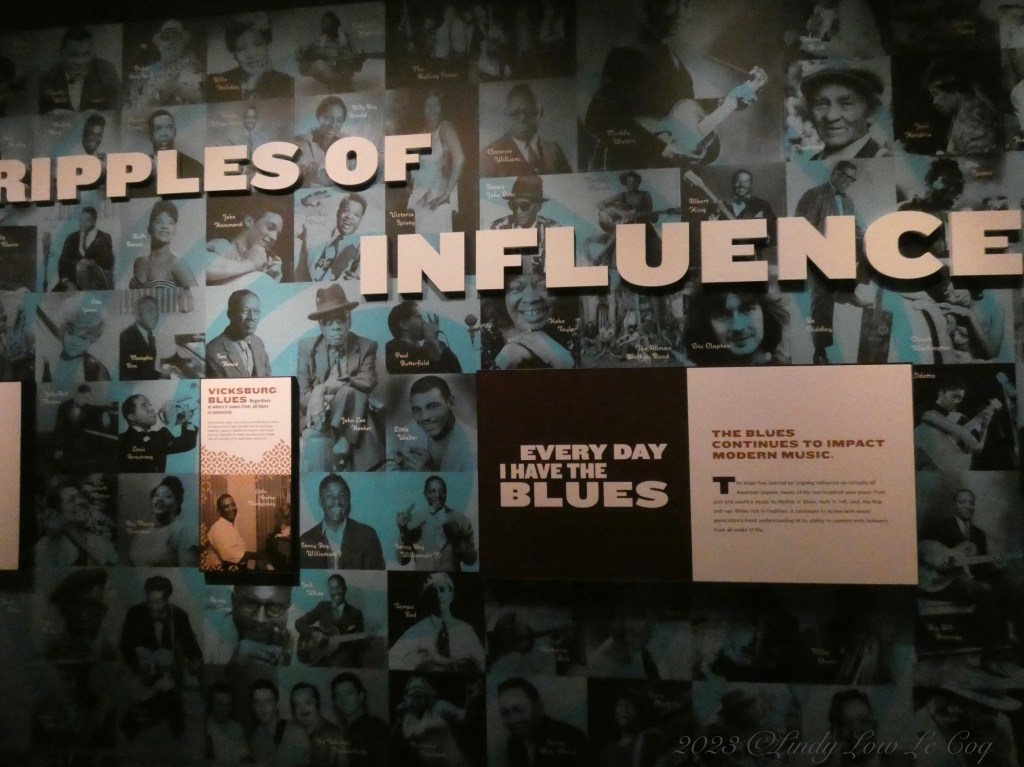
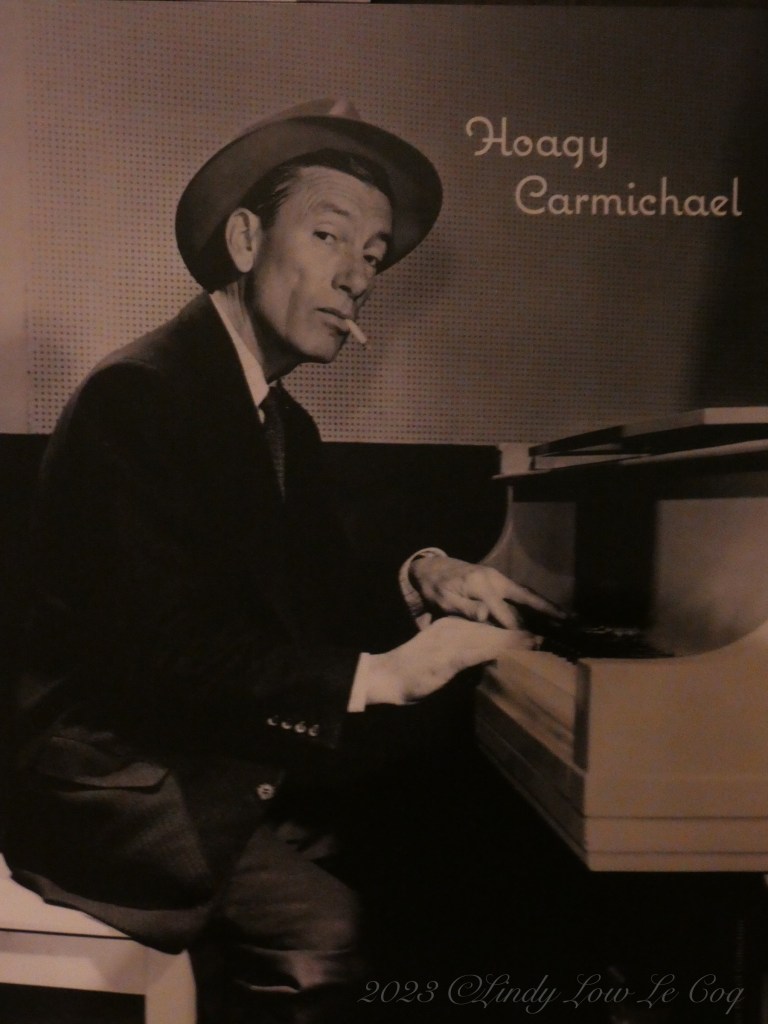
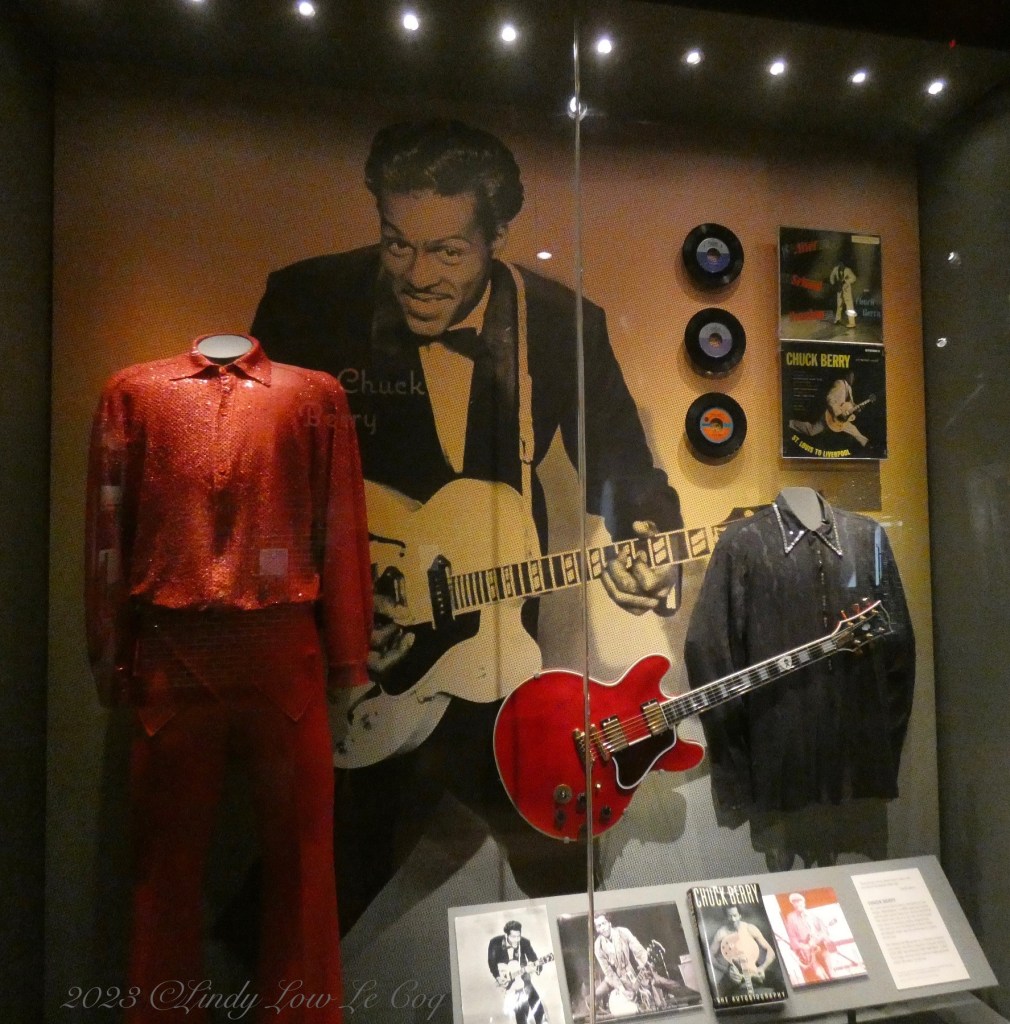
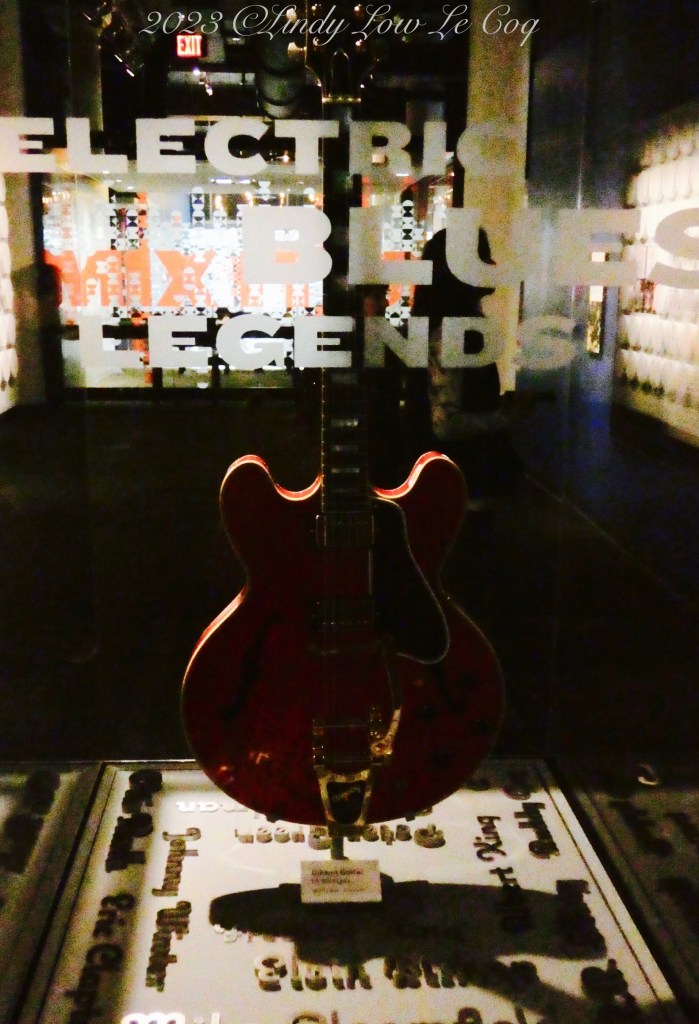
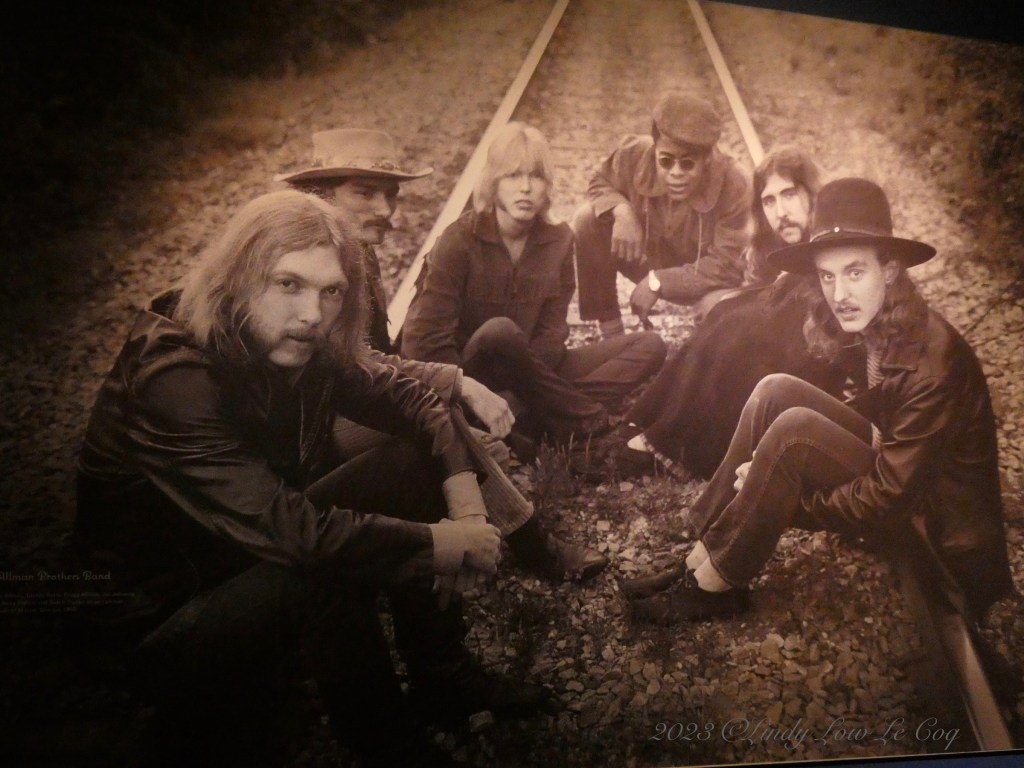
What a fantastic walk I had through the history of The Blues! So many photos and artifacts, skillfully placed so that one era logically and gracefully connected with the next. All the time, various blues music circulated around me and there were also some fun interactive displays.
Since my husband is a musician at heart, we have always had a large library of music in our home. Most of the artists on display I had listened to or knew of, and many are in our CD collection.
Chuck Berry
Gibson ES – 355 Bigsby
This is just a sampling of what you can see on display at The National Blues Museum in St. Louis, MO. If every you have the inclination, it is a fine place to visit!
On your walk with life, please honor our earth, encourage dignity and share kindness. 🐾
Thank you Anne-Christine for the wonderful challenge this week. It gave me all the reason I needed to share one of my adventures with my sisters!
Walking With Eagles is a collection of original poems and photographs by Lindy Low Le Coq. A lifelong naturalist, amateur photographer and bird enthusiast, Lindy’s verse, composition and photographs open a window into the essence of her subjects. Her poems and photography reflect the rich natural wonders of the Pacific Northwest.
Bald Eagles mature over the course of five years. Walking With Eagles invites the reader to take a poetic and visual tour of this odyssey.
view ~ Walking With Eagles ~ in top menu bar for a preview, though the folio is much nicer!