
Adult Bald Eagle

Surf Scoter (Male)

Black-bellied Plover (non-breeding)
Adult Bald Eagle
Surf Scoter (Male)
Black-bellied Plover (non-breeding)
My father taught me at an early age that if ever I was lost in a wilderness area, to remember the words from a song by Bob Nolan ,”…somehow it leads me home if I just follow the stream.”

Creeks and streams flow into rivers on their journey toward the ocean. Gnat Creek, above, is representative of a source.
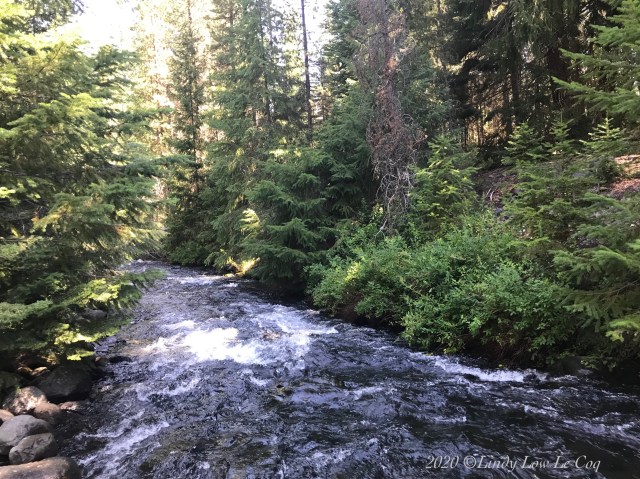
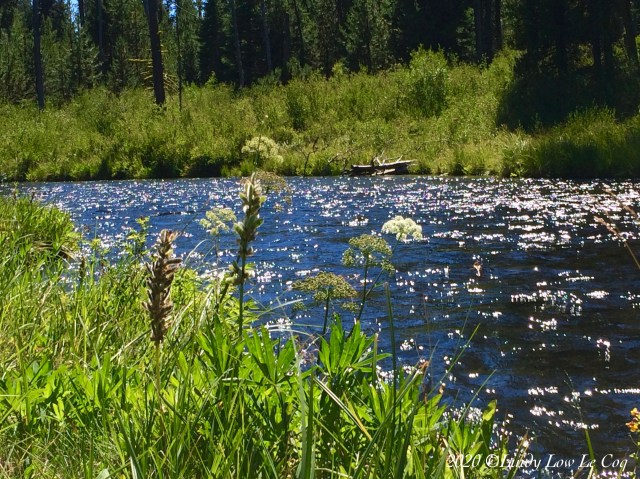
Two shots of Crescent Creek. The first is taken at its source, Crescent Lake where it rushes into the channel and then farther downstream, as it flows through the countryside.
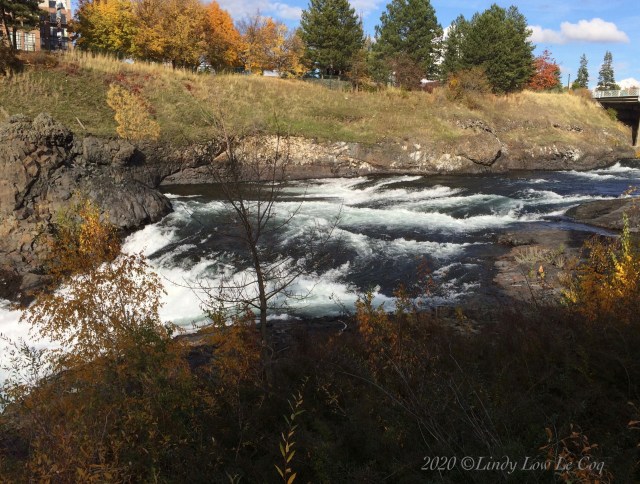
Spokane River, Spokane, WA
Throughout my life I’ve lived near streams and rivers, from my Spokane, WA birthplace, to my current home in Vancouver, WA where Salmon Creek (below) is a half mile away.

And then, there is the mighty Columbia River which flows by my hometown on its way to meet the Pacific Ocean, just south of where I’m “staying in place” at my condominium in Long Beach, WA.

At the mouth of the Columbia River spanned by the Astoria-Megler Bridge in the background.
“Run, river, run to the sea
Water always wants to be free
Run, river, run over me
Water, take away my memory”
Allman Brown
Wishing everyone safe harbour in this time of shared pandemic crisis.
Koyannisqatsi, a Hopi Indian word meaning “life out of balance,” is the theme of my response to Leya’s challenge. Last spring, as Gray Whales migrated from Mexico to Alaska, 121 were found washed up on west coast beaches, including one at Long Beach, WA.

A necropsy determined this young whale, like many of the others, was emaciated and starving. Marine biologists continue to study the reasons for last year’s die-off, including a real possibility that global warming is the root cause.
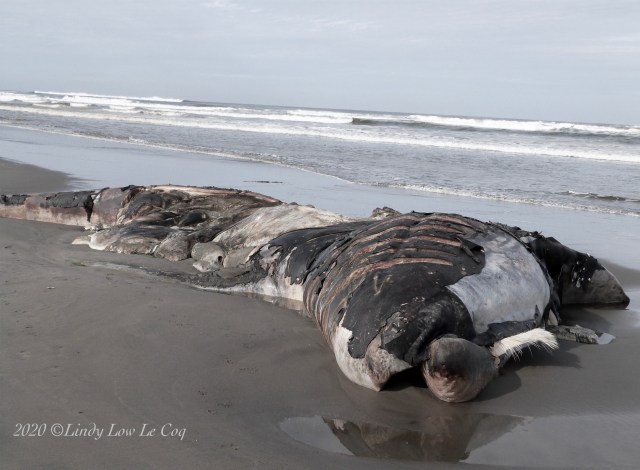
After wintering in their calving grounds off Baja California, Gray Whales migrate 5,000 miles (8050 km) to their summer feeding grounds in the Arctic. Here they consume small shrimp-like sea animals called amphipods to pack on blubber meant to sustain them until they return the following summer. During the three to four months they travel back and forth, and while they are in the waters off Mexico, they eat almost nothing.
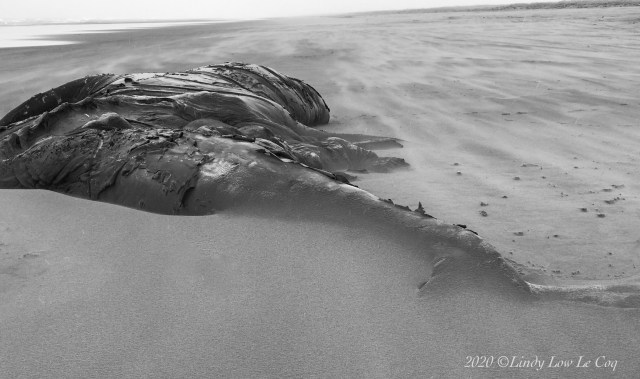
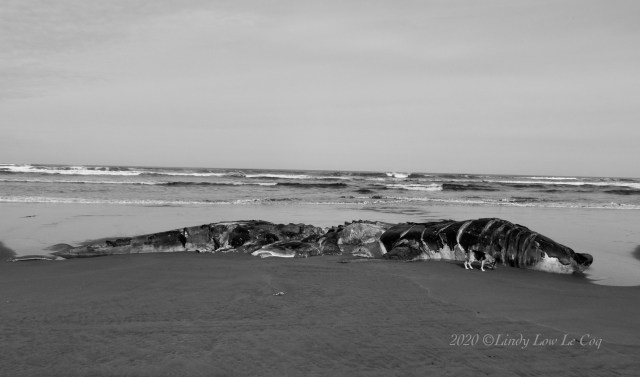
Over the spring months I photographed the decomposing body as surf, sand, crabs, carrion-eating birds and time reduced the creature to nearly nothing. My beagle, Jello provides a size reference, in the above shot.
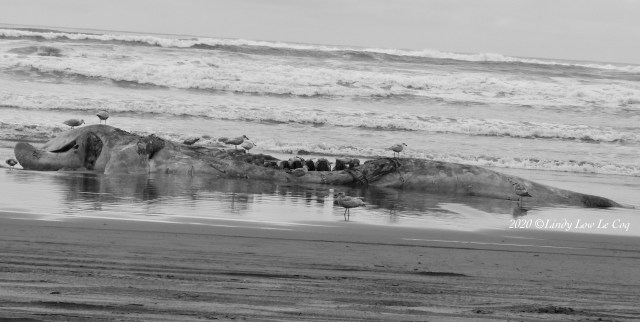 When the main carcass had mostly disintegrated, people harvested the bones.
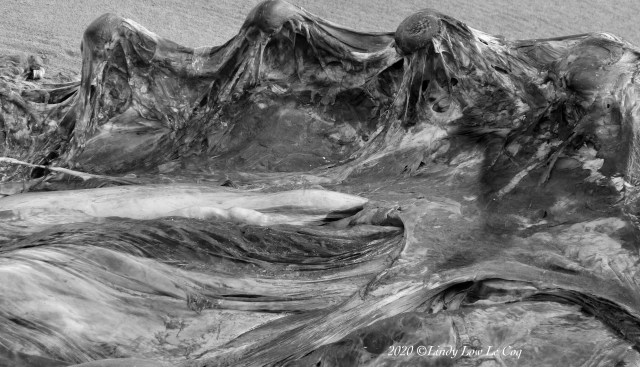
Water temperatures in the Arctic are warming and sea ice is steadily declining. We will know soon, if the 2019 die-off was a one time event or the start of a long term trend, as the Gray Whale’s northern migration begins.
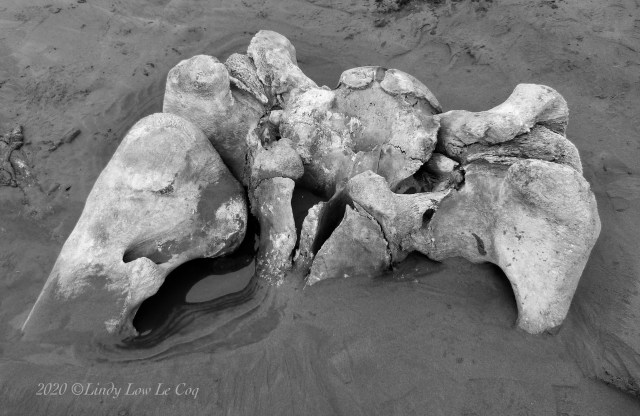
When we returned to visit Long Beach last fall, only a few large bones remained. Now there isn’t a trace of the whale on the beach.
Mankind will continue to create chaos on planet earth, until human beings enact global measures that return nature to balance.
https://lagottocattleya.wordpress.com/2020/03/14/lens-artists-photo-challenge-88-chaos/

Canada Goose
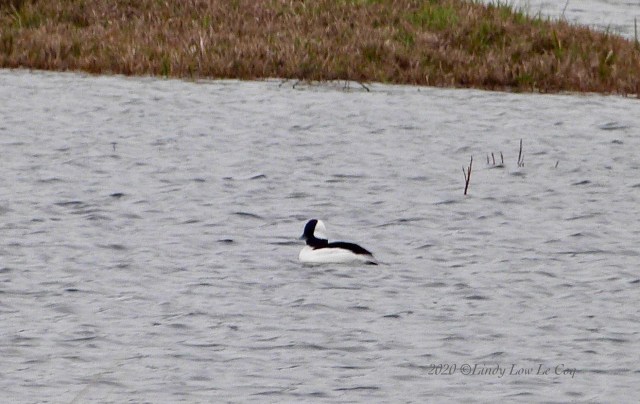
Bufflehead Duck
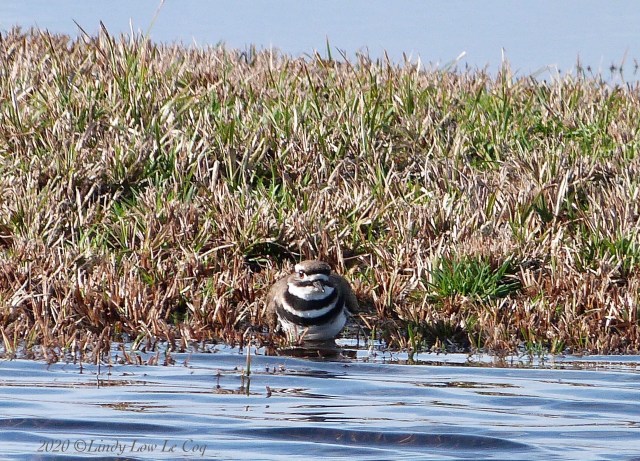
Killdeer


Upper left clockwise: Self-portrait in a window of Cabin #1, with a dreamy Orcas Island sunset behind me. Exuberant blossoms are reflected on the sliding-glass door at our condo. Shadows from the deck railing create another texture. A Mt. St. Helen’s Glass paperweight creates a surreal picture of where it rests. In the lens of reading glasses, the distorted image of a ceiling light. Mirrors mounted around the top of the Albany Carousel add another dimension to this amazing structure.


The glossy surfaces of Lion’s Mane and Moon Jelly fish, and “by the sea sailors,” reflect sunlight and sometimes their surroundings.
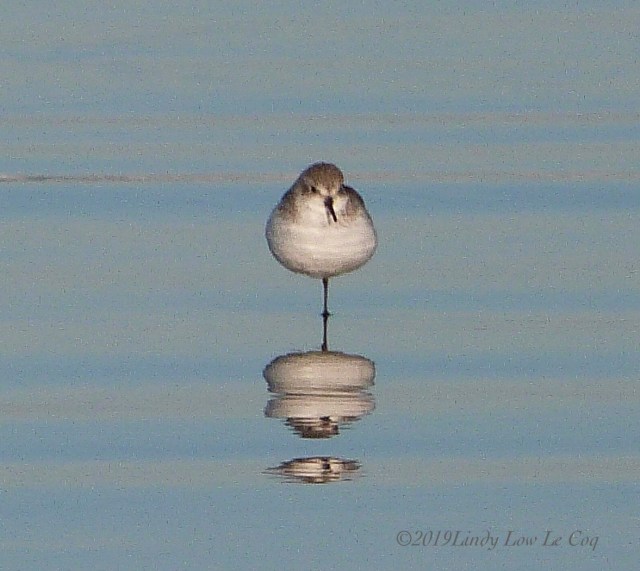


Water reflection photos vary, depending on the stillness of the subject (in this case birds) and the surface movement of the water. I love the distinct echo images of these three. On top a resting Sanderling, in the middle a flock of Short-billed Dowitchers, and below a duck.
.


These shots are among my favorite images that show an almost perfect reflection on the water surface, of light in the sky and the surroundings. Clockwise from top left; Long Beach WA sunset, Orange Sunset, Orcas Island, WA, sunset clouds in the marshes, Long Beach, Still Life Crescent Lake, OR, and Pastel Sunset, Orcas, Island WA.
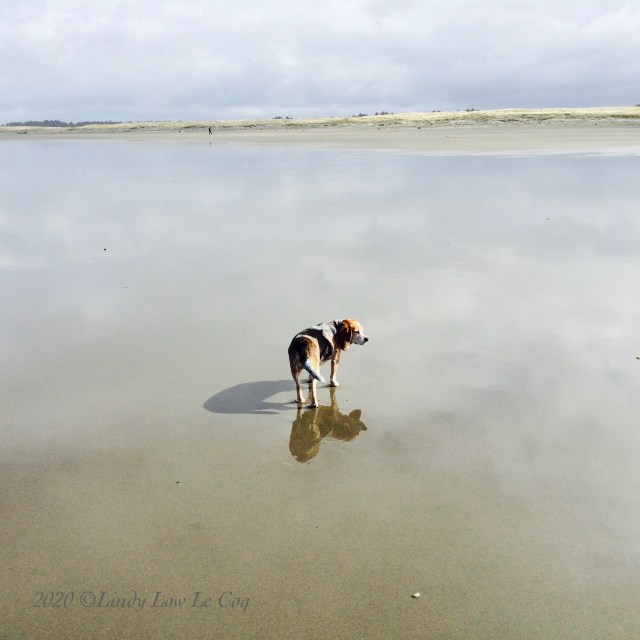
Looking through my archives, I had to remind myself this challenge is about reflections, not refractions or shadows or silhouettes! In my final shot, Jello stands at the center of both her shadow and her reflection in the surf at Long Beach.
Thanks to Miriam Hurdle at The Showers of Blessings for a lovely challenge!


Adult Bald Eagle
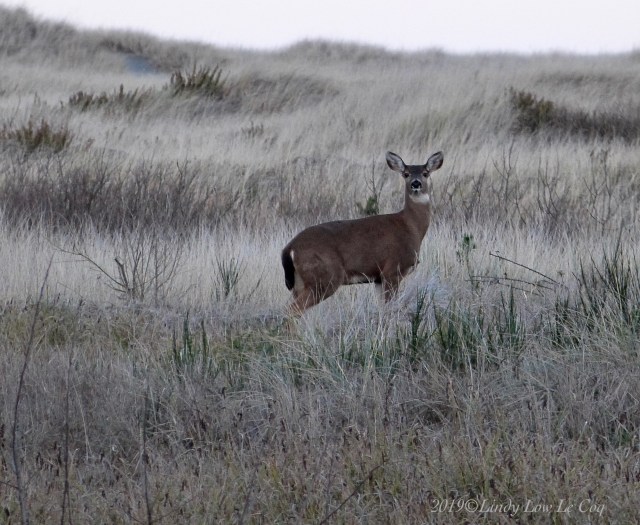
Black-tail Mule Deer
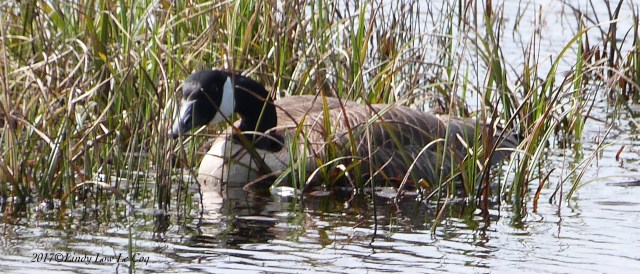
Canada goose

Caspian Terns

Savannah Sparrow

Jello is on high alert, and so is an immature Bald Eagle perched on a post along the trail to the beach.


Thanks to Patti and all the Len-Artists who make this weekly challenge happen. I appreciate your hard work!
Clouds are part of our reality in the Pacific Northwest. Though I want to provide the accurate name for each cloud formation in this post, as I open my Meteorology Field Guide, it’s way more complex than I can summarize. Still, here are some favorite photos from the archives, and my best effort to identify and play with the cloud type!
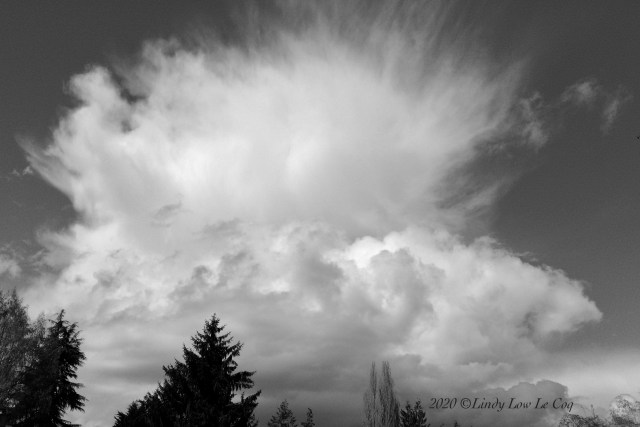
Thunderstorm
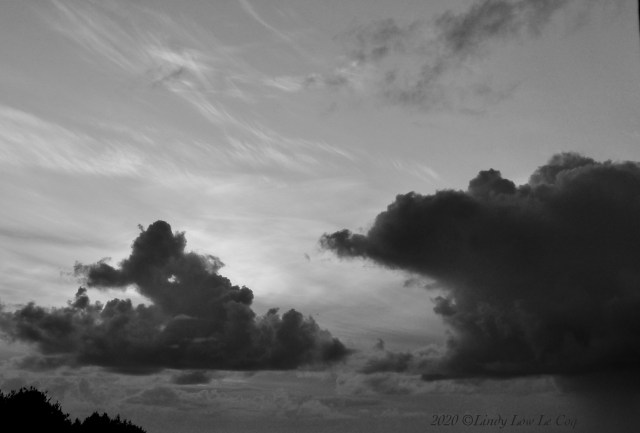
Cumulus ~ looks like the big one is about to swallow the smaller one.
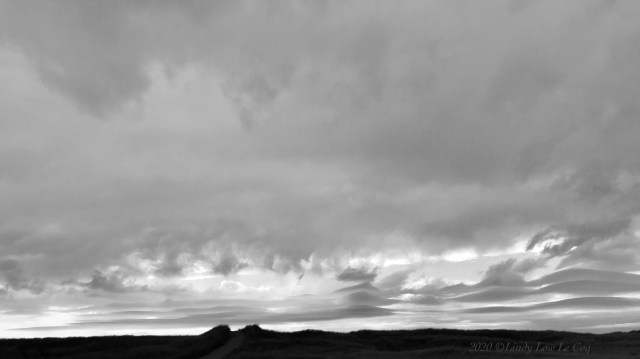
Orographic
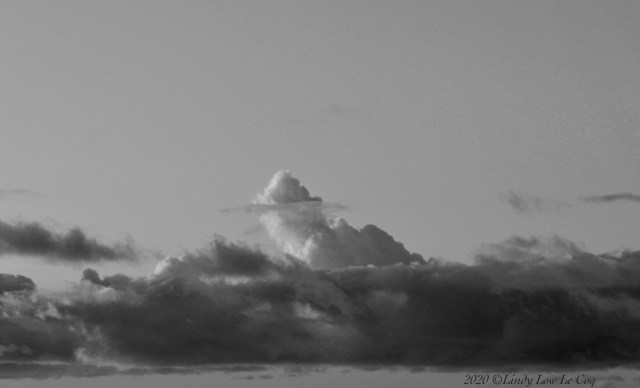
Cumulonimbus
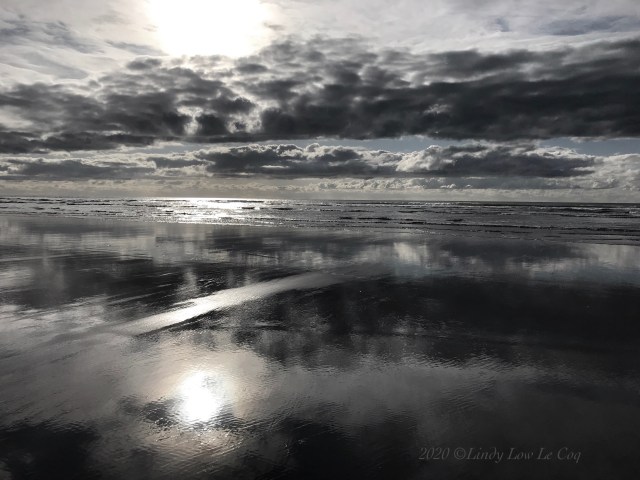
Cumulus congestus
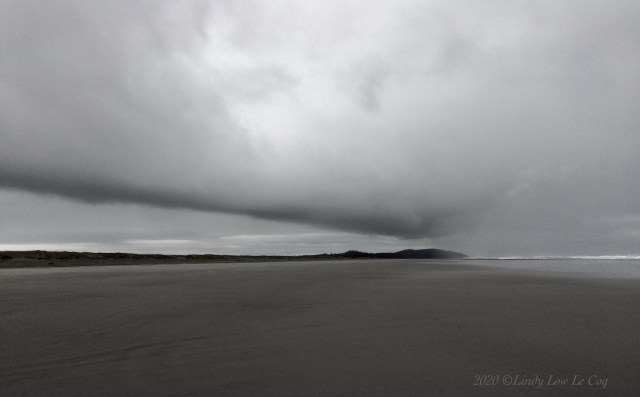
Cumulonimbus incus – Anvil
Thank you Cee for a fun diversion on a rainy, overcast morning in Vancouver, WA – USA!

Ooh Tina, this is fun! A treasure hunt gives me permission to feature some of my favorites from the archives.
It is a treat to be awake and out with camera in hand, when light starts to bounce over the horizon. Indigo night and early morning sapphire to amethyst skies recede. Earth rotates to a new day as her Sun’s rays fill the blue with pure light – soft tones of pink and yellow lift into a brightening sky.
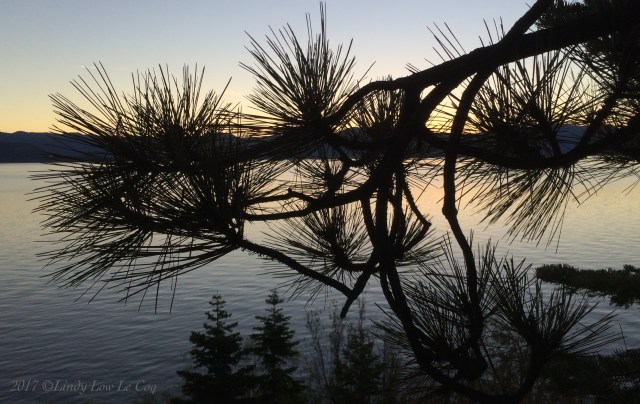
Lake Tahoe, Nevada, taken at the rim of a steep slope. Pine tree limbs and needles frame the view, creating an interesting tension. I love how the evergreen trees at the embankment’s base, give us a sense of scale.
EXTRA CREDIT! I always loved extra credit homework. From the Treasure Hunt list: 1) a boat, 2) a mountain landscape; and from the Extra Credit list: 3) an expressive photo of one or more people, 4) a fish, and 5) a single image with multiple challenge items in it.

Two beaming men, my cousin Duncan holding out his first Mackinaw (Lake) Trout, and Brother-in-law Les, captain of the crew that helped make it happen on Crescent Lake, nestled in the mountains at the summit of Willamette Pass, Oregon.
Occasionally I am obliged to use a humane trap to remove unfriendly critters from the premises. One evening I forgot to close the door, and in the morning I met this amazing creature. Small enough to fit into your hands, with a long fluffy tail and huge night-vision eyes, I didn’t have a clue what it was.

After taking pictures, I opened the cage door, and watched it scurry along the deck rail, leap and sail to a nearby fir tree. Humbolt’s Flying Squirrel, is a fairly new species discovery. I’m really pleased that this native may be making a home on my grounds. https://www.burkemuseum.org/news/hiding-plain-sight-new-species-flying-squirrel-discovered
Jello loves being at the beach. After a romp through the dunes, she luxuriates in a long nap.
 Creighton’s favorite 5-string Carvin bass guitar rests where he set it down when we returned from our excursion.
Yes, sunrise or sunset, however, they both happen every day, so to conclude my Treasure Hunt, I offer a Long Beach Peninsula sunset.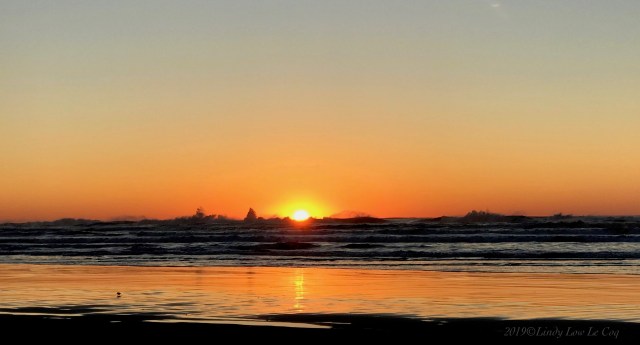 Notice the spray shooting up from the waves in this Pacific Ocean seascape. Though the sun is hot, this water is hypothermia cold. The lone sandpiper working the shoreline is the only bird in this post – can you believe it?!






 Lindy Low LeCoq