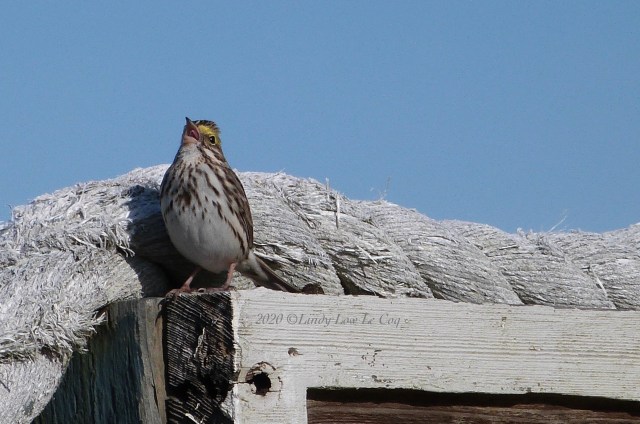
White-throated Sparrow – Zonotrichia albicollis
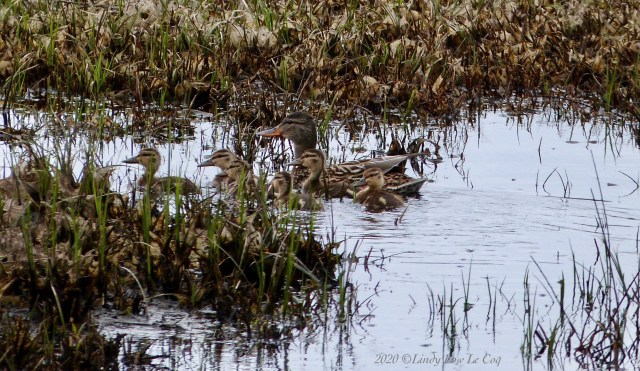
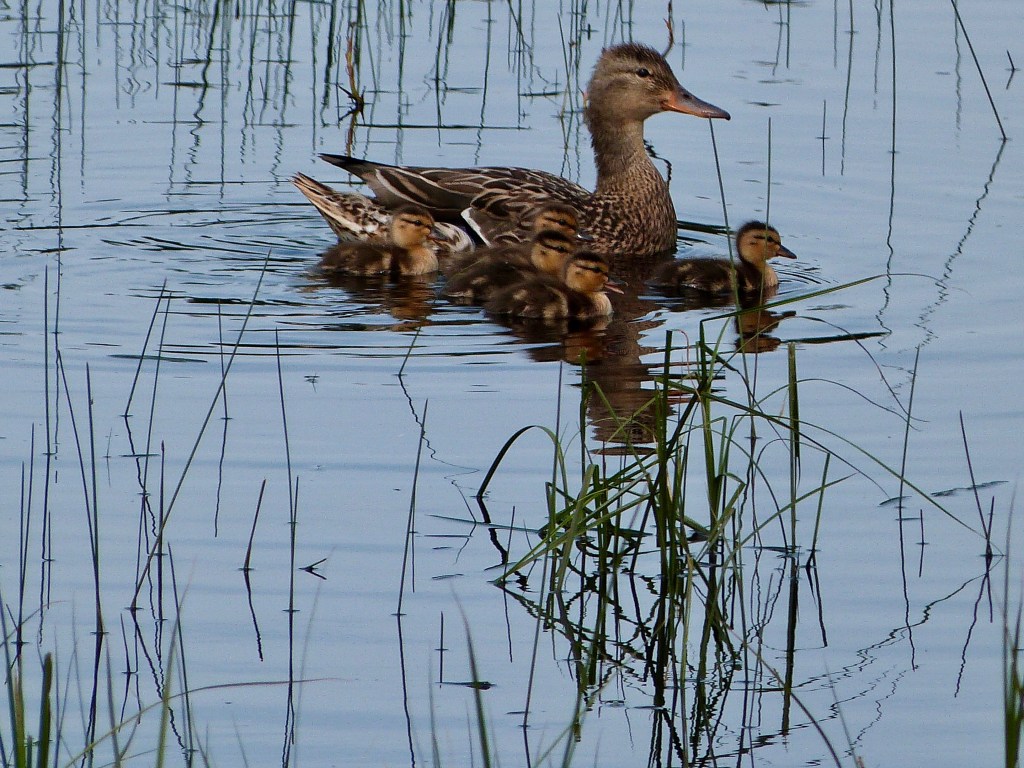
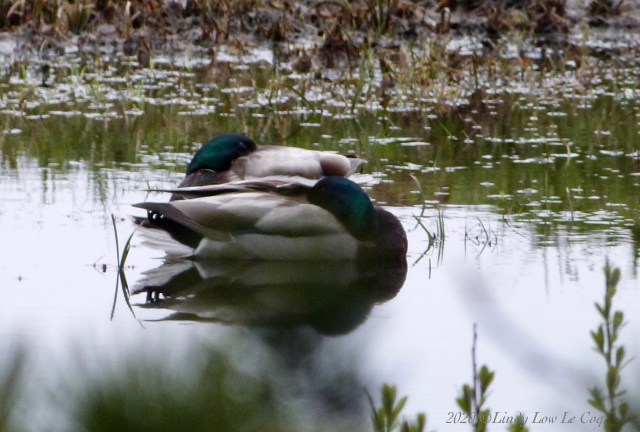
Mallard hen with young – Anas platyrhynchos

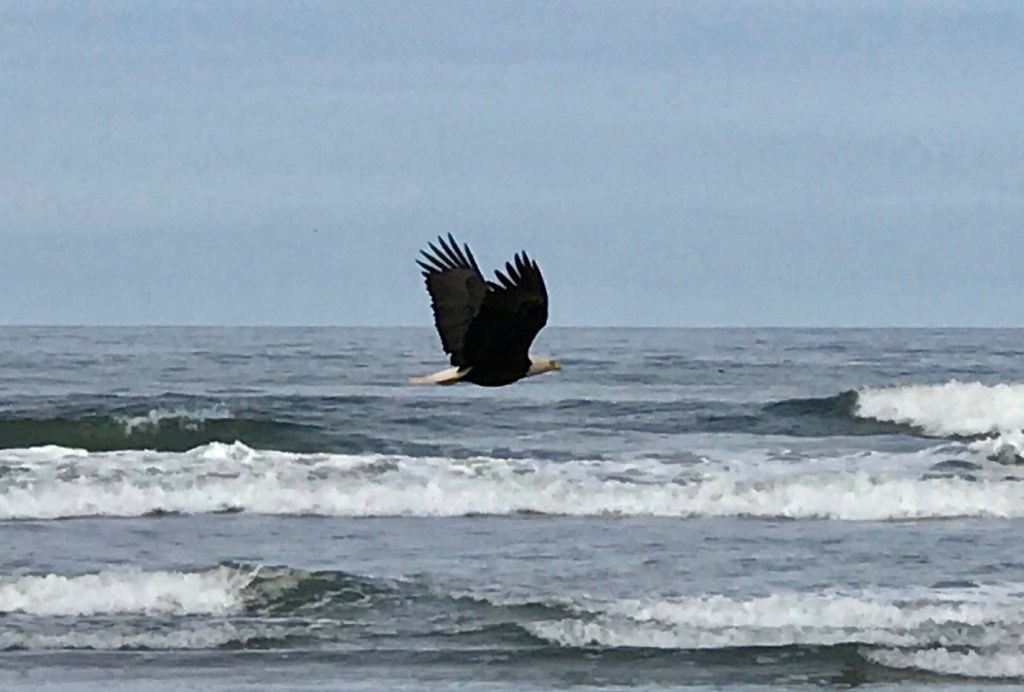
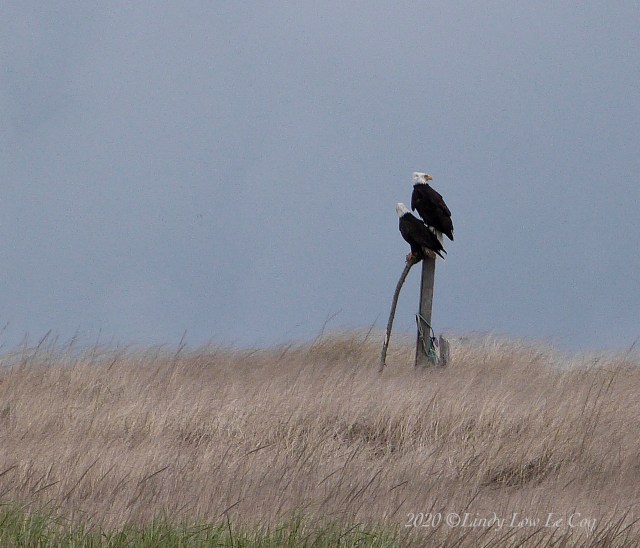
Bald Eagle lift-off – Haliaeetus leucocephalus
White-throated Sparrow – Zonotrichia albicollis
Mallard hen with young – Anas platyrhynchos
Bald Eagle lift-off – Haliaeetus leucocephalus

Long Beach, Washington ~ USA
Immature Bald Eagle perched on a large drift wood snag.

Wishing everyone safe harbor as we navigate uncharted waters.
For thirty years my husband and I vacationed on Orcas Island, WA – USA. Memories of the peaceful place we stayed would help power me through each year of counseling high school students. When I arrived, my body, mind and spirit all slowed to a quieter pace.

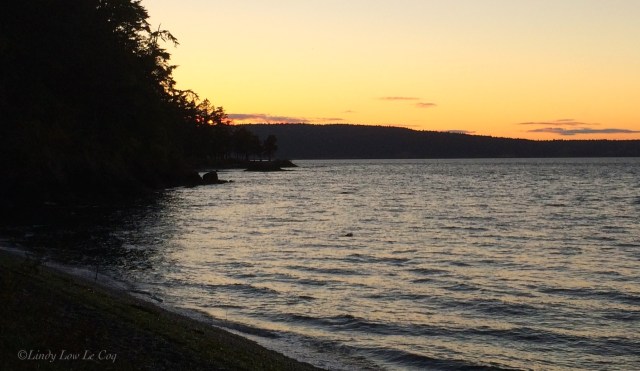
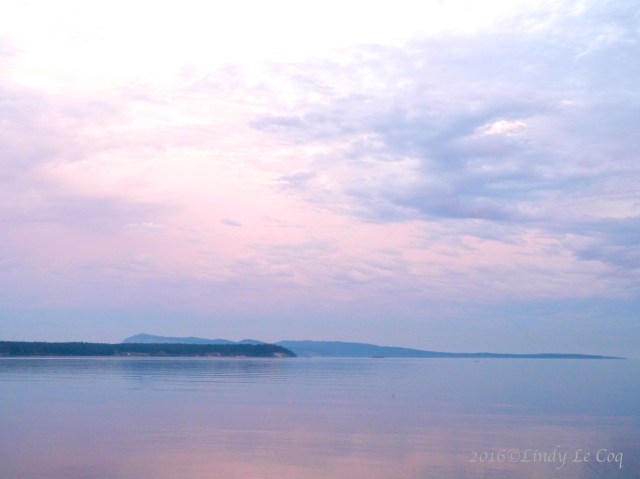

After I retired 9 years ago, we decided to go other places and have since settled into our condominium at Long Beach, WA for our get-away-from-it-all fix. Lately, I’ve been thinking a visit back to Orcas is in my future. How far in the future? Time will tell!
Thanks to John for inspiring a virtual visit to a lovely spot!
https://photobyjohnbo.wordpress.com/2020/04/11/lapc-92-going-back/

Savannah Sparrow – Passerculus sandwichensis


Pair of Pine Grosbeak – Pinicola enucleator

Male Pine Grosbeak

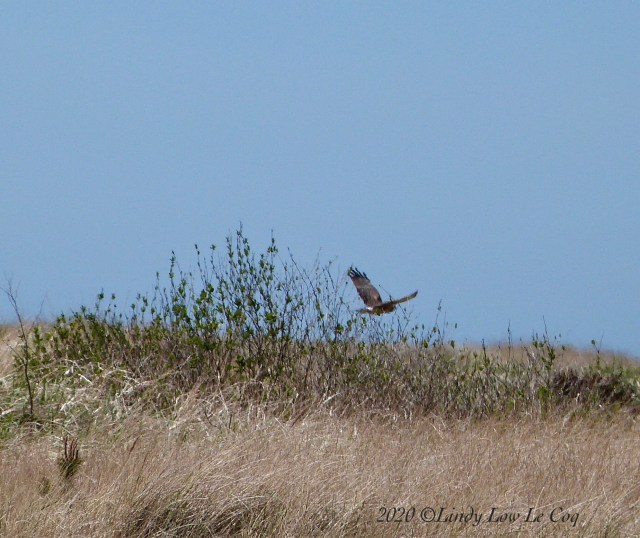
Northern Harrier – Circus cyaneus – male with twig in beak.

Male Ring-necked Pheasant – Phasianus colchicus


Wishing everyone safe harbor as we navigate uncharted waters.
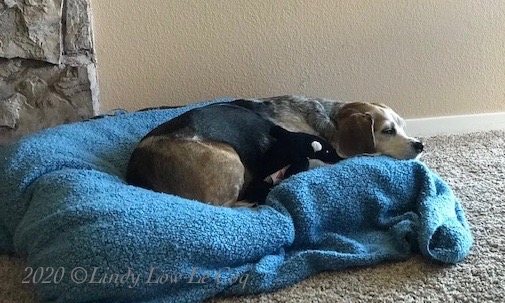
My name is Jello and I’m a “blue-tick” Beagle. My folks adopted me five years ago when I was four and we have lots of fun adventures together.
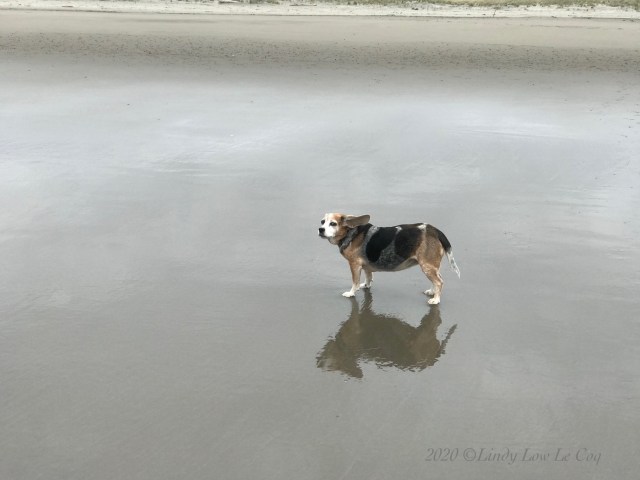
I got really sick to my stomach the other day. Not sure what it was that I ate in the dunes, but mom hopes it won’t happen again.

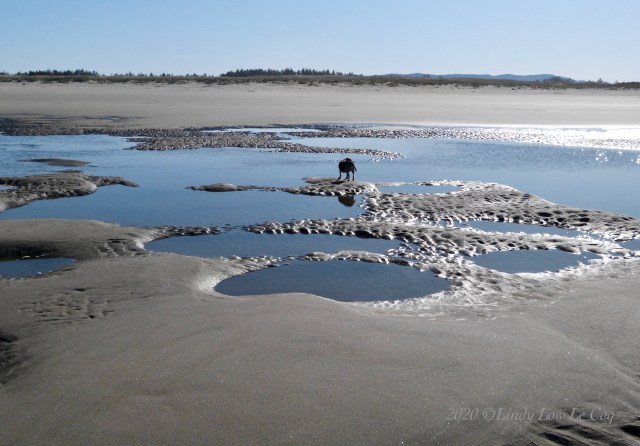
On our morning walks, I get to roam wherever my nose takes me. Scents of night-critters draw me along deer trails into the depths of the dunes.

Before cresting the berm, Mom whistles for me and I race past her to roll in the soft sand.
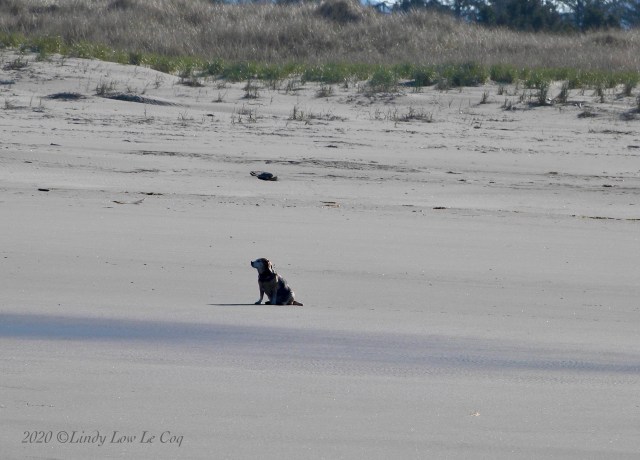
When the wind is strong, the sand hurts my eyes, so we don’t stay long. When it’s not windy, we meander along the shoreline lazily.
 Back home I get a brush-down and a cookie, followed by a long nap!
Wishing everyone safe harbor as we navigate uncharted waters.
🐾
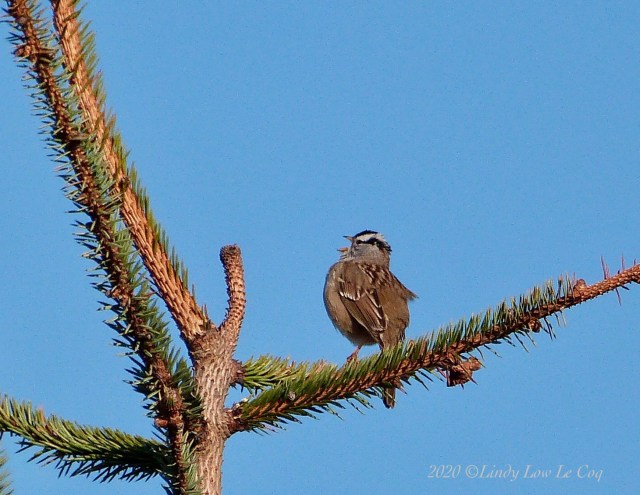
Easter morning is sunny and calm. White-crowned Sparrows call from trees along the Discovery Trail, and an immature Bald Eagle sweeps above me with a fish in its talons. As I crest the berm to the beach, low tide and swishing waves invite a stroll along the shoreline to a beautiful, large piece of driftwood that came ashore overnight.
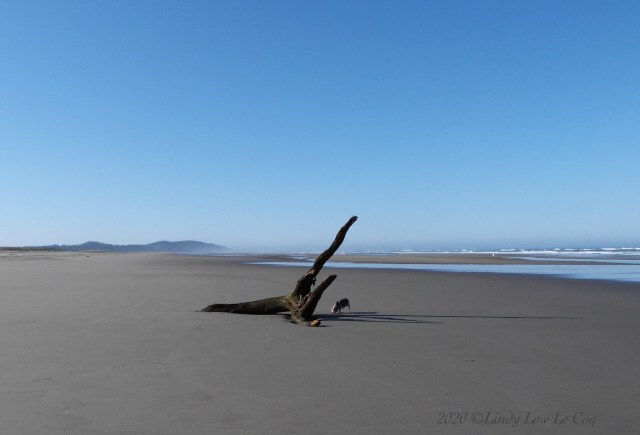
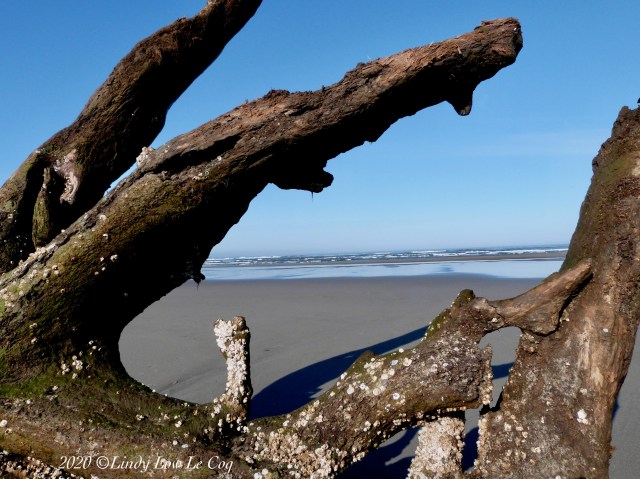
Drifting along with my thoughts, I note how disconnected from time I feel. Hours wash onward, as a daily routine develops.
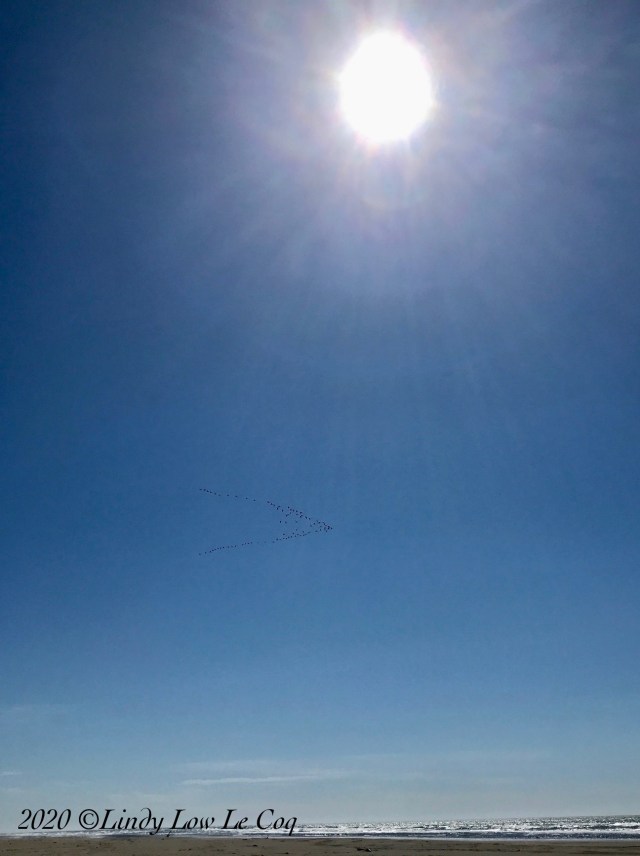
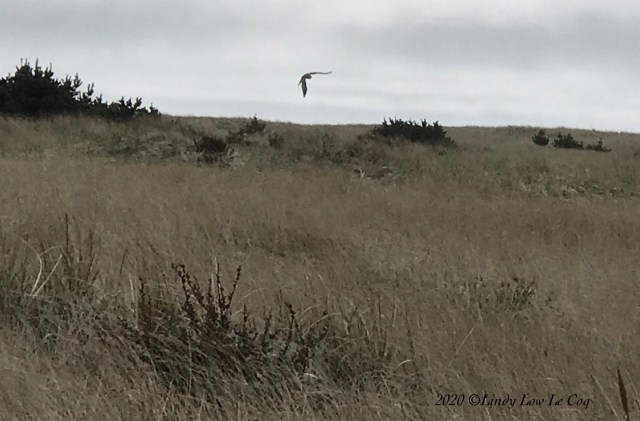
The marsh shrinks, large flocks of geese fly north, and the Harrier hunts above the dunes.
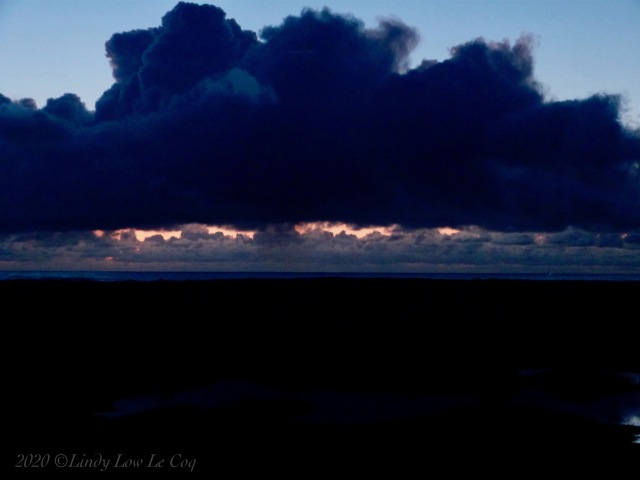
“Smell the sea and feel the sky
Let your soul and spirit fly
Into the mystic.” Van Morrison

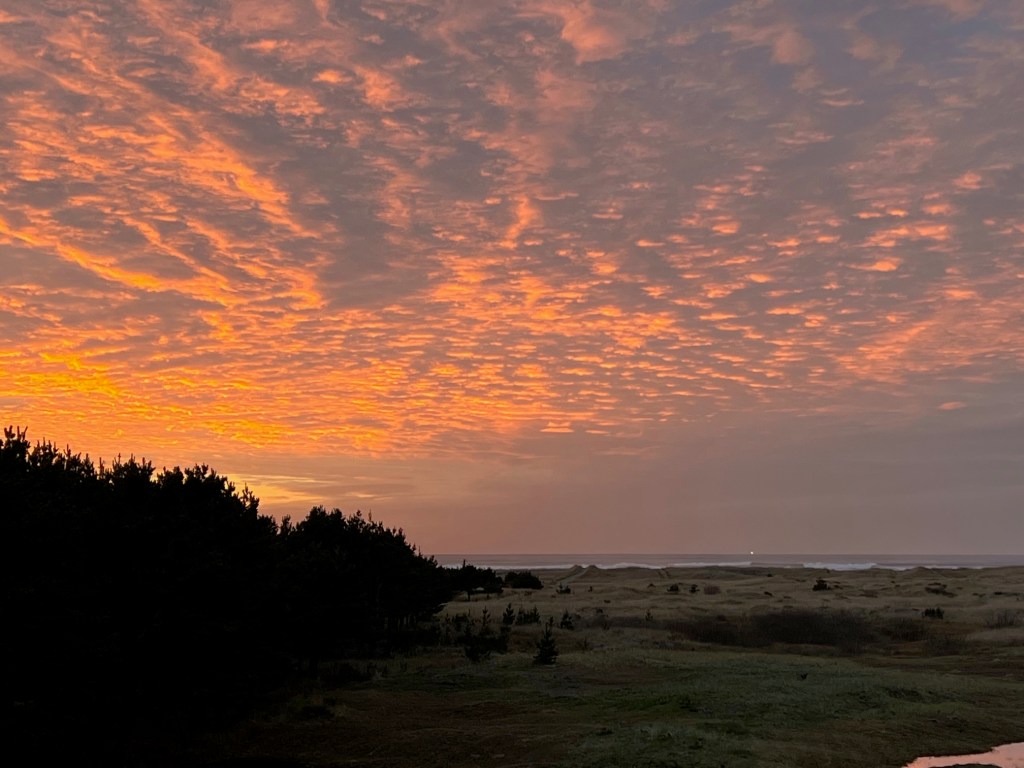
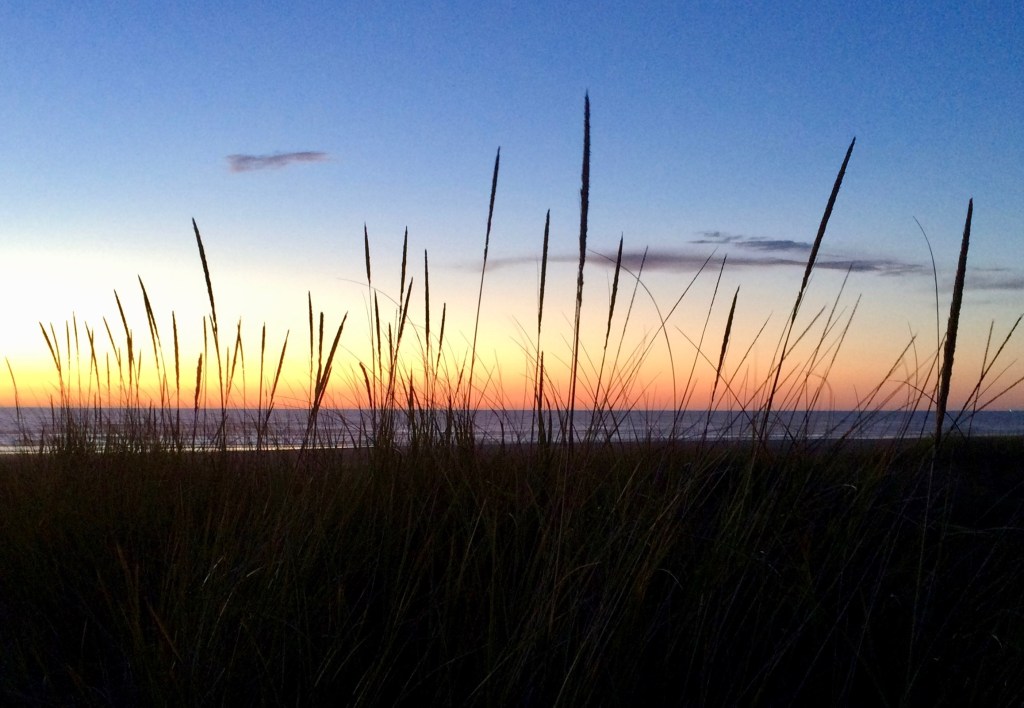
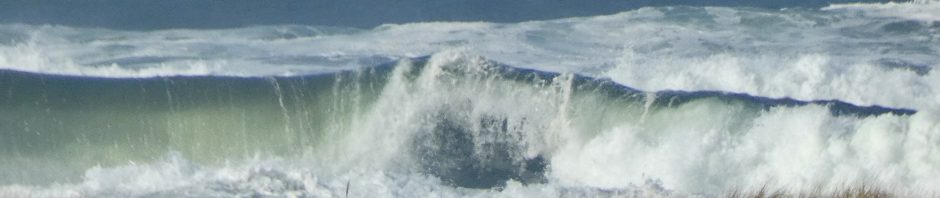
Land, ocean and sky – essential elements of life – in a quiet moment between rainstorms. April 1, 2020.
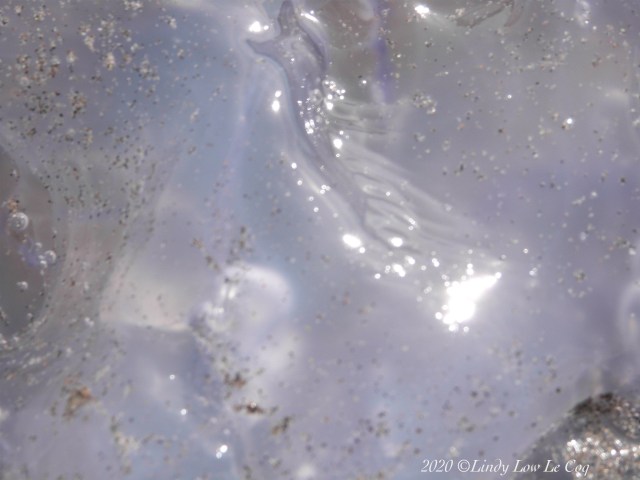
In the hierarchy of animal life forms on Earth, Moon Jelly (Aurelia aurita) is at the “tissue” level, just one step up from the base or “cellular” level, on which it feeds.

“What other body could pull an entire ocean from shore to shore? The moon is faithful to its nature and its power is never diminished.” ―
Wishing everyone safe harbor as we navigate uncharted waters.
In a recent NYT opinion piece, Thomas Friedman masterfully tied Donald Trump’s climate science denial with his willful ignorance and cronyism around the COVID 19 pandemic. Friedman quotes his favorite environmental teacher, Rob Watson:
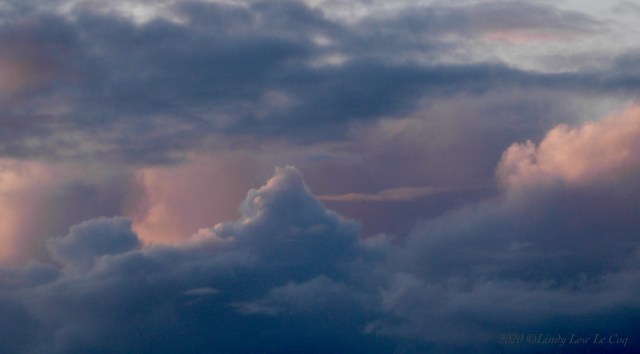
Ruffles along the edge of Mother Nature’s billowing skirts.
“Mother Nature is just chemistry, biology and physics. That’s all she is. You cannot sweet-talk her. You cannot spin her. You cannot manipulate her.”
Here’s the link: